


JAKARTA – The pursuit of accountability regarding the alleged misappropriation of Corporate Social Responsibility (CSR) funds by PT Petrogas Jatim Utama (PJU) has reached a critical juncture. Boyamin Saiman, Coordinator of the Indonesian Anti-Corruption Society (MAKI), has formally criticized the Kejaksaan Negeri (Kejari) Banyuwangi for what he describes as an unacceptable delay in handling a case that has been under investigation since early 2025.
As the case enters its second year of stagnant progress, concerns are mounting regarding the integrity of the investigative process and the potential for bureaucratic inertia to shield those responsible for the misuse of public-interest funds.
The Core Allegations: Misuse of Public-Interest Capital
At the heart of the investigation lies the distribution of CSR funds designated for the welfare of the Banyuwangi community. According to MAKI, the core of the investigation is relatively straightforward: verifying whether the actual disbursement of funds aligns with the social objectives mandated by law and the company’s internal charter.
"The investigation should be focused and uncomplicated," Boyamin Saiman stated during a press briefing on Tuesday (June 9). "The central issue is the discrepancy between the intended social purpose and the actual destination of the funds. When CSR resources—which are essentially public assets given their tax-deductible nature—are redirected for private gain or to benefit affiliates, it ceases to be an administrative error and shifts directly into the realm of criminal corruption."
MAKI argues that because corporations benefit from tax reductions for CSR activities, the public is, in essence, a stakeholder in these funds. Therefore, any diversion of these resources constitutes a direct theft from the public, warranting a swift and aggressive legal response.
Chronology of the Stalled Investigation
The timeline of the case suggests a period of initial momentum that quickly evaporated, raising questions about internal management at the Banyuwangi Prosecutor’s Office.
- December 2025: The investigation was initiated following a formal complaint filed by the Komunitas Cinta Bangsa (KCB) East Java. The complaint detailed specific allegations of financial irregularities and abuse of authority within PT Petrogas Jatim Utama.
- Early 2026: Kejari Banyuwangi responded by issuing a formal Letter of Assignment (Surat Perintah Tugas), signaling the commencement of a preliminary investigation. During this period, several key witnesses were summoned, and initial documentation was gathered.
- Mid-2026 – Present: Despite the promising start, the case has remained in a state of purgatory. MAKI notes that even under previous leadership, the office had already established a sufficient legal basis to justify further action. However, the lack of a transition to the "investigation" (penyidikan) phase suggests that the case is being held back by external pressures or internal hesitation.
The Legal Threshold: Why the Delay is Unacceptable
In the Indonesian legal system, a case moves from "inquiry" (penyelidikan) to "investigation" (penyidikan) once there is sufficient preliminary evidence of a criminal act. Boyamin Saiman contends that this threshold was crossed long ago.
"I am deeply disappointed with the performance of the Kejari," Saiman emphasized. "The previous officials had already laid the groundwork. To see this stagnate for such an extended period is baffling. If the evidence is already there, there is no legal excuse to keep the status quo. We are talking about public funds that were meant to serve the community, and every day of delay is a day that justice is denied."
MAKI has pointed out that they have escalated the matter to the Attorney General’s Office (Kejaksaan Agung) in Jakarta, ensuring that national oversight bodies are aware of the perceived inaction at the regional level. The organization is now urging the Banyuwangi authorities to demonstrate the courage required to pursue high-level corporate accountability.
The Threat of Praperadilan (Pre-trial Motion)
Perhaps the most significant development in this standoff is MAKI’s explicit threat to utilize the Praperadilan mechanism. Under Indonesian law, Praperadilan allows citizens or legal advocacy groups to challenge the legality of an investigator’s decision—or lack thereof—in terminating or stalling a case.
"If the Kejari continues to treat this as a non-priority and allows it to remain in legal limbo, we are prepared to file a Praperadilan motion," Saiman warned. "The people of Banyuwangi have the right to know why these funds were diverted and why those responsible have not been brought to court. We will not allow this to be buried under layers of bureaucracy."
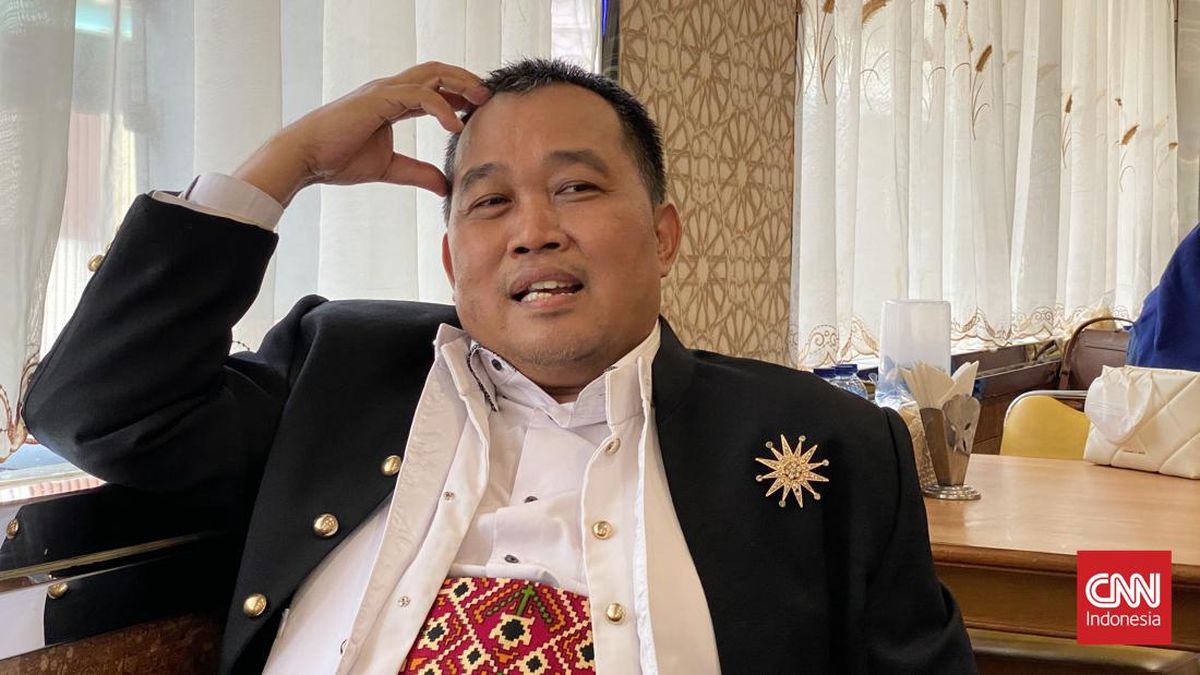
A Praperadilan motion would force the prosecutor to justify their inaction before a judge, a scenario that would be highly damaging to the reputation and credibility of the Kejari Banyuwangi.
Wider Implications for CSR Accountability
The case of PT Petrogas Jatim Utama is being watched closely by anti-corruption advocates across Indonesia. It serves as a litmus test for how regional prosecutors handle "white-collar" corruption, particularly involving state-affiliated entities.
1. The Erosion of Public Trust
When CSR funds—intended for community development, infrastructure, or education—are misappropriated, the local community suffers a direct loss. If the judicial system fails to hold the perpetrators accountable, it reinforces the public perception that corporate entities are "untouchable" and that the legal system is biased toward powerful interests.
2. Legal Precedent for Corporate Accountability
The case highlights the need for clearer regulations regarding the auditing of CSR funds. Currently, these funds often operate in a grey area where financial transparency is lower than that of standard corporate budgets. By successfully prosecuting this case, the Attorney General’s Office could set a strong legal precedent that CSR funds are subject to the same anti-corruption scrutiny as any other form of public or corporate finance.
3. The Need for Proactive Prosecution
The Kejari Banyuwangi is currently under significant pressure to move beyond mere witness questioning. Critics argue that the investigation must now focus on forensic accounting to trace the flow of funds from the company’s accounts to the alleged beneficiaries. The failure to do so, according to MAKI, is a dereliction of duty.
Official Stance and Future Outlook
As of the latest reports, the Kejaksaan Negeri Banyuwangi maintains that they are still conducting an "ongoing process" of investigation. However, they have yet to issue a formal statement addressing the specific criticisms leveled by MAKI regarding the timeline.
For now, the situation remains a stalemate. On one side, civil society organizations are demanding transparency and the immediate transition of the case into a full-scale prosecution. On the other side, the prosecutor’s office continues to operate behind a veil of procedural silence.
The upcoming weeks will be decisive. If the Kejari Banyuwangi fails to escalate the status of the case or provide a transparent update on their progress, MAKI’s threat of a Praperadilan filing is likely to become a reality. This would move the conflict from the offices of the prosecutor into the open court, potentially exposing internal flaws in the investigation to public and judicial scrutiny.
Ultimately, the resolution of this case will be a significant indicator of the current state of anti-corruption efforts in East Java. Whether the judiciary chooses to uphold the principles of accountability or succumb to the pressures of silence will have lasting consequences for the community of Banyuwangi and the broader fight against the misappropriation of corporate social funds in Indonesia.
Reported by: CNN Indonesia News Desk
Disclaimer: This report is based on statements from the Indonesian Anti-Corruption Society (MAKI) and available records regarding the ongoing investigation at the Kejaksaan Negeri Banyuwangi.