

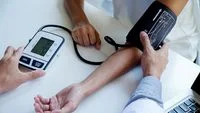
Jakarta, CNN Indonesia — Hypertension, clinically recognized as high blood pressure, remains one of the most formidable global health challenges of the 21st century. Often labeled the "silent killer," this condition stealthily undermines cardiovascular health, frequently manifesting no symptoms until it triggers life-altering medical emergencies such as strokes, myocardial infarctions (heart attacks), chronic kidney disease, or irreversible vision impairment.
As modern lifestyle patterns shift toward sedentary habits and processed diets, the prevalence of hypertension continues to climb. While pharmacological intervention remains the gold standard for many patients, a growing body of research suggests that a strategic, disciplined overhaul of one’s daily habits can significantly mitigate—or in some cases, reverse—the severity of high blood pressure.
The Physiology of the "Silent Killer"
To understand why lifestyle modifications are critical, one must first comprehend the mechanics of hypertension. Blood pressure is the force exerted by circulating blood against the walls of the arteries. When this force is consistently elevated, the heart must exert excessive energy to circulate blood throughout the body. Over time, this chronic strain thickens the heart muscle, damages the delicate inner lining of the arteries, and facilitates the buildup of arterial plaque (atherosclerosis).
The danger lies in the lack of warning signs. Many individuals live with Stage 1 or Stage 2 hypertension for years, oblivious to the damage being inflicted on their vital organs. By the time a patient presents with symptoms such as severe headaches, chest pain, or shortness of breath, the underlying pathology is often advanced.
Chronology of Lifestyle Intervention: From Diagnosis to Management
The journey to blood pressure control is rarely linear, but it generally follows a structured trajectory:
- Detection and Screening: The initial phase involves consistent monitoring. Medical professionals recommend that individuals over the age of 30 undergo regular screenings to establish a baseline.
- Diagnostic Evaluation: If readings consistently exceed 130/80 mmHg, physicians perform a diagnostic evaluation to rule out secondary causes—such as endocrine disorders or sleep apnea—before confirming essential (primary) hypertension.
- The "Lifestyle First" Protocol: For many patients, the immediate recommendation is a trial of non-pharmacological interventions for a period of 3 to 6 months. This period is critical for assessing how the body responds to dietary and activity-level adjustments.
- Integration of Pharmacotherapy: If, after the specified trial period, blood pressure remains uncontrolled, doctors will integrate antihypertensive medications (such as ACE inhibitors, beta-blockers, or diuretics) alongside existing lifestyle changes. It is a misconception that lifestyle changes end when medication begins; rather, they serve as the foundation that allows medications to work more efficiently.
Supporting Data: The Science of Habitual Change
According to the World Health Organization (WHO), the correlation between lifestyle and cardiovascular health is empirically robust. While "natural" approaches are often discussed, they must be viewed as medically supported interventions rather than anecdotal remedies.
1. The Sodium-Fluid Paradox
Excessive sodium intake is perhaps the most significant dietary driver of hypertension. Sodium causes the body to retain water, increasing blood volume and, consequently, pressure against arterial walls. The WHO guidelines strictly advise limiting sodium to under 2,000 mg per day. The challenge for the modern consumer is the ubiquity of "hidden" salt in ultra-processed foods, canned goods, and fast-food chains, which often exceed daily limits in a single meal.
2. The DASH Diet Efficacy
The Dietary Approaches to Stop Hypertension (DASH) diet remains the gold standard in nutritional therapy. Unlike fad diets, DASH is a balanced regimen rich in potassium, calcium, and magnesium—minerals that help regulate blood pressure by easing tension in blood vessel walls. Clinical trials have consistently shown that participants strictly adhering to the DASH protocol see significant reductions in systolic pressure within weeks.
3. Isometric Training and Cardiovascular Health
Recent sports medicine research has highlighted the efficacy of isometric exercises. Unlike traditional cardio, isometric exercises—such as the "wall-sit" or the "plank"—involve contracting muscles without movement. These exercises improve endothelial function and blood flow, providing a unique benefit for blood pressure reduction that traditional aerobic training may not fully replicate.
Official Perspectives and Medical Guidelines
The medical community emphasizes a nuanced approach to hypertension. Leading global health bodies, including the European Society of Hypertension and the American Heart Association, maintain that while lifestyle changes are potent, they are not always a substitute for medical necessity.
"Natural does not always mean sufficient," noted a cardiovascular health expert. "There is a spectrum of hypertension severity. For those with significantly elevated readings or existing organ damage, refusing medication in favor of ‘natural’ remedies can be a fatal gamble."
The official stance remains that lifestyle changes should be viewed as a complementary, lifelong strategy. In many clinical cases, adopting these habits allows patients to reduce their medication dosage, but abrupt cessation of prescribed drugs without medical supervision is strongly discouraged.
Addressing the Pillars of Holistic Control
To effectively manage blood pressure, one must address the following pillars of health:
The Weight-Blood Pressure Connection
Every kilogram lost significantly reduces the workload on the heart. Obesity is fundamentally linked to systemic inflammation and metabolic dysregulation, both of which exacerbate high blood pressure. Weight management is not merely an aesthetic goal but a critical medical imperative.
The Impact of Substances
Alcohol and tobacco are potent vasoconstrictors. Nicotine causes an immediate spike in blood pressure and long-term arterial hardening. Alcohol, meanwhile, can interfere with the metabolism of blood pressure medications, rendering them ineffective. Cessation is non-negotiable for those aiming for long-term health.
The Role of Stress and Sleep
Chronic stress induces the release of cortisol and adrenaline, hormones that constrict blood vessels and increase heart rate. Furthermore, sleep disorders like Obstructive Sleep Apnea (OSA) prevent the body from entering the restorative phases of sleep where blood pressure naturally dips. Addressing sleep hygiene is, therefore, a medical intervention, not just a lifestyle preference.
Implications for Public Health
The rising tide of hypertension represents a massive burden on global healthcare systems. The shift toward self-management through better habits is not just an individual victory; it is a public health necessity. By empowering citizens to monitor their own blood pressure and make informed dietary choices, healthcare providers can shift from a "reactive" model—treating heart attacks after they occur—to a "proactive" model of prevention.
Monitoring as a Preventative Measure
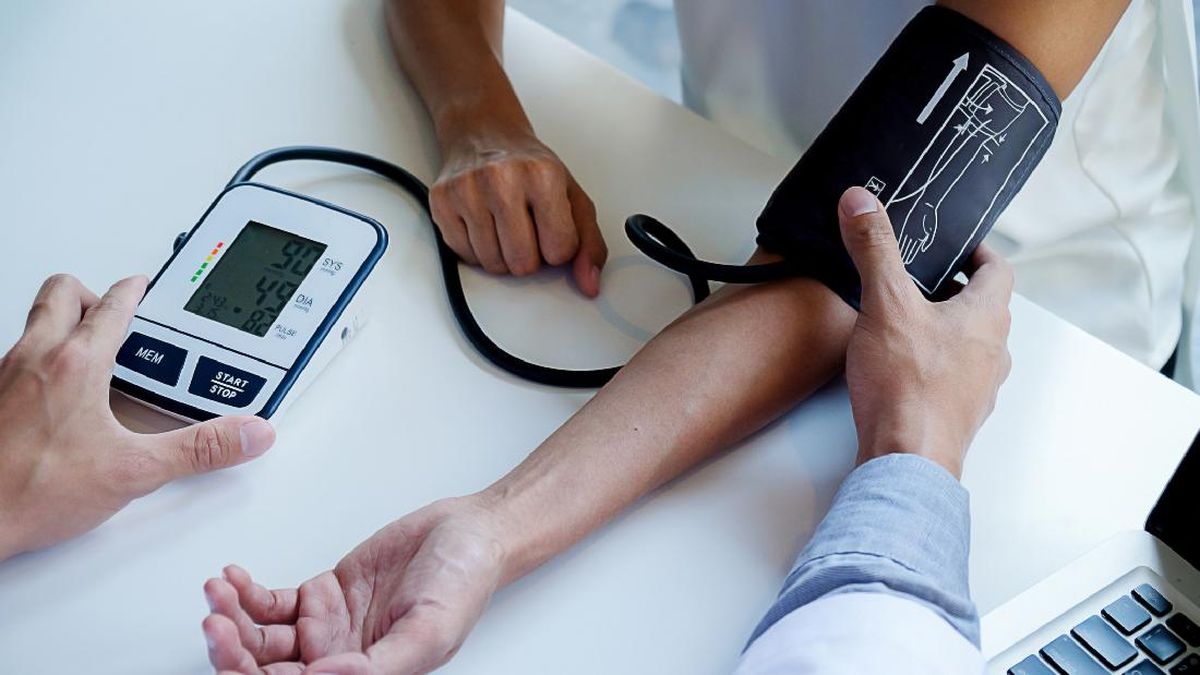
The digital age has made blood pressure monitoring more accessible than ever. Smart cuffs and integrated health devices allow for daily data collection. This data is invaluable to clinicians, as it provides a comprehensive picture of a patient’s health, moving beyond the "white coat hypertension" often observed in clinical settings.
Conclusion: A Balanced Path Forward
The management of hypertension is a marathon, not a sprint. While the allure of "curing" high blood pressure without medication is strong, the reality is more nuanced. Through a combination of rigorous sodium reduction, the adoption of the DASH diet, consistent physical activity (including isometric training), and the diligent management of stress and sleep, many individuals can regain control over their cardiovascular health.
However, the path to wellness must always be navigated in partnership with a healthcare professional. Whether you are currently on medication or simply monitoring your numbers, the ultimate goal remains the same: protecting the heart and ensuring longevity through the disciplined, evidence-based application of healthy living. Hypertension may be a silent killer, but with vigilance, data, and consistent action, it is a condition that can be effectively managed and mastered.