


Jakarta – In a significant move toward digitizing the protection of the nation’s youth, the Indonesian Ministry of Communication and Digital (Kemkomdigi) has announced that 64 major digital platforms have officially completed their self-assessment mandates under the Government Regulation Number 17 of 2025 (PP Tunas). This regulation, which governs the management of electronic systems specifically for the protection of minors, represents a cornerstone of Indonesia’s strategy to create a safer, more regulated digital ecosystem.
As of June 9, 2026, precisely three months after the full implementation of the regulation, the Ministry confirmed that 175 Products, Services, and Features (PLF) managed by these 64 Electronic System Providers (PSE) have submitted their internal assessments. This milestone marks the beginning of a rigorous evaluation process led by the government to ensure that global and local tech giants alike are adhering to stringent safety standards for users under the age of 16.
The Genesis of PP Tunas: A Chronology of Compliance
The journey toward the full implementation of PP Tunas began as a response to the growing concerns regarding digital safety for children in Indonesia. With the rapid proliferation of social media, streaming services, and online gaming, the government recognized that the digital landscape was becoming increasingly fraught with risks—ranging from exposure to inappropriate content to predatory behavior.
- Pre-2025: Discussions regarding the protection of minors in the digital space were primarily centered on general cybersecurity guidelines. However, lawmakers argued that these were insufficient to address the specific vulnerabilities of the youth demographic.
- Early 2026: As the legislative framework for PP Tunas matured, the Ministry of Communication and Digital set a firm deadline for compliance. By late March 2026, the regulation was fully enforced, compelling platforms to evaluate their own systems.
- April – June 2026: The three-month window following the implementation was designated as the primary period for the submission of self-assessments. During this time, the Ministry provided technical guidance to companies on how to categorize their risks and report them through official channels.
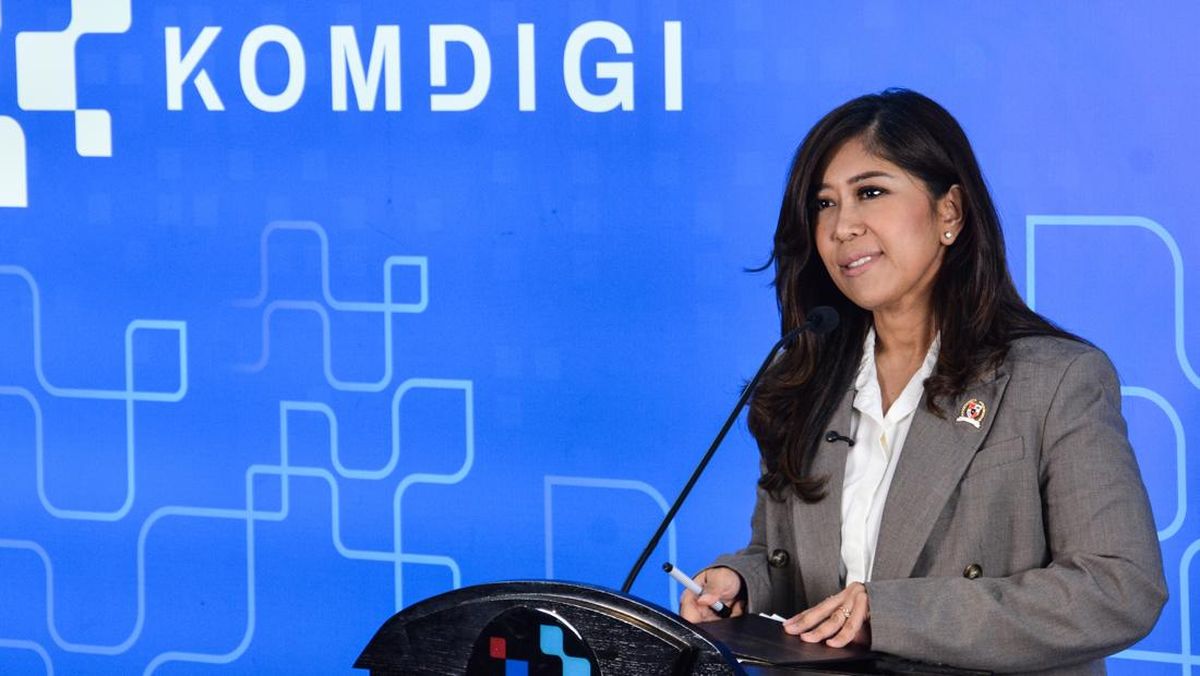
- June 9, 2026: Minister of Communication and Digital Meutya Hafid officially announced that the first wave of 175 PLFs from 64 PSEs had met their reporting obligations, setting the stage for the next phase of governmental verification.
Understanding the Self-Assessment Mandate
The self-assessment is not merely a bureaucratic hurdle; it is a critical diagnostic tool. According to the guidelines set forth by the Ministry, digital platforms are required to conduct an in-depth internal review of their products, services, and specific features.
The evaluation criteria are extensive, covering several high-risk areas:
- Risk Identification: Platforms must explicitly identify the level of risk their services pose to children under the age of 16.
- Content Exposure: A thorough audit of potential exposure to harmful content, including, but not limited to, violence, pornography, and cyberbullying.
- Verification Systems: Assessing the readiness and accuracy of age-verification mechanisms to prevent children from accessing content or features intended for adults.
- Moderation and Safety Tools: The presence and effectiveness of content moderation protocols, as well as the availability of robust parental control features that allow guardians to monitor and restrict usage.
The Minister emphasized that this is a risk-based approach. "Because we are using a risk-based model, each risk must be examined one by one," Meutya Hafid stated. "The process requires time because we are measuring specific threats, such as addiction, potential contact with strangers, and health-related impacts."
Industry Leaders Taking Responsibility
The list of compliant platforms spans a diverse array of sectors, demonstrating the broad scope of PP Tunas. Major global players have joined domestic entities in submitting their reports, signaling that Indonesia’s regulatory environment is now a critical consideration for international companies.
OTT and Streaming Platforms
The streaming sector, which has seen explosive growth in Indonesia, has been proactive. Platforms such as Netflix, Vidio, HBO Max, and Disney+ have submitted their assessments. These platforms are now under the microscope regarding their age-rating systems and the effectiveness of their "Kids Mode" profiles.
Gaming Industry
Given the high engagement of children in online gaming, the Ministry has prioritized this sector. Compliance reports have been received from major titles and platforms including:
- Roblox
- PUBG Online
- Free Fire
- Mobile Legends
- Valorant
- Crossfire
- Age of Empires Mobile
E-commerce and Payment Systems
The economic digital ecosystem has not been excluded. Major e-commerce giants such as Shopee, Tokopedia, Lazada, and TikTok Shop have complied, acknowledging their role in protecting minors from potentially harmful marketing or interactions within shopping environments. Similarly, payment service providers like Dana, Gopay, and Flip.id are working to ensure that their financial features remain safe for younger users.
Even specialized tools like ChatGPT and the ride-hailing/super-app Grab are included in the compliance cohort, highlighting the all-encompassing nature of the digital net the government is casting.
Official Stance: A Collaborative Approach to Safety
Minister Meutya Hafid underscored that Indonesia’s strategy deviates from the "blanket ban" approach seen in some other nations. Rather than cutting off access to digital spaces, the Indonesian government is pushing for a "safety-by-design" philosophy.
"Our approach is different from countries that apply a total ban on children’s access to social media," the Minister explained. "We believe platforms must evolve. We are not just looking to punish; we are measuring the improvements that companies are willing to make to become safer for children."
The Ministry of Communication and Digital is now in the process of verifying these reports based on the order they were received. This verification will ultimately determine the risk category for each platform. These categories will dictate future compliance requirements, potential audits, and, in some cases, mandatory feature updates.
Implications for the Future of Indonesia’s Digital Economy
The enforcement of PP Tunas carries several long-term implications for both the tech industry and the Indonesian public:
1. Increased Accountability for Big Tech
Platforms can no longer operate in a regulatory vacuum. By formalizing the self-assessment process, the government has established a clear record of the risks platforms acknowledge, making it easier to hold them accountable if those risks materialize into harm.
2. A Safer Digital Playground
For parents and educators, this regulation provides a much-needed layer of assurance. As platforms adjust their algorithms, moderation tools, and parental controls to meet government standards, the hope is that the digital environment will become naturally more conducive to healthy development rather than exploitation.
3. A Precedent for Emerging Markets
Indonesia, with its massive, young, and hyper-connected population, is setting a global precedent. By adopting a risk-based regulatory framework rather than a reactionary one, the country is signaling to other emerging markets that it is possible to balance digital innovation with the protection of fundamental human rights—specifically, the right of a child to a safe digital environment.
4. Technical and Financial Investment
For the platforms, compliance is a significant investment. It requires continuous updates to software, the hiring of specialized moderators, and, in many cases, the implementation of complex AI-driven age verification systems. While this may increase operational costs, it also creates a more predictable and stable regulatory environment for long-term investment.
Conclusion: The Path Ahead
The submission of the first 175 self-assessments is only the beginning of a long-term commitment. As the Ministry of Communication and Digital proceeds with its evaluation, the public can expect further announcements regarding the status of these platforms.
The ultimate success of PP Tunas will not be measured by the number of reports filed, but by the tangible changes in how children interact with these digital services. As Minister Meutya Hafid aptly noted, the goal is to transform the digital landscape into a space where technology serves as a tool for growth, education, and safe exploration, rather than a source of hidden danger.
With the first phase of this regulatory framework now in motion, Indonesia stands at the forefront of a global conversation: how to protect the next generation in an age of constant connectivity. The world is watching to see how these 64 platforms adapt, and whether this model of government-industry collaboration can truly secure the digital frontier for the children of Indonesia.