

By Global Arts Correspondent
Published: Thursday Afternoon Roundup
The contemporary art world exists in a state of perpetual acceleration, balancing the rigorous institutional cultivation of emerging talent with headline-grabbing, boundary-pushing conceptual spectacles. This week’s dispatch from the cultural vanguard captures this exact duality. From the historic corridors of Harlem to the prestigious halls of the Musée d’Art Moderne de Paris, and finally to the uncanny, nutrient-dense canals of the Venice Biennale, the global art ecosystem is shifting.
Major milestones this week include the Studio Museum in Harlem revealing its incoming cohort of visionary artists-in-residence, the artist duo Brognon Rollin clinching France’s most coveted contemporary art prize, and Austrian pavilion provocateur Florentina Holzinger preparing a visceral, highly anticipated finale for her Venice installation. Together, these events map a broader trajectory of where contemporary art is focusing its lens: deep explorations of human vulnerability, institutional reinvention, and uncompromising physical and conceptual materiality.
Main Facts
At the heart of this week’s art world developments are three major institutional and award announcements that highlight the shifting definitions of contemporary excellence:
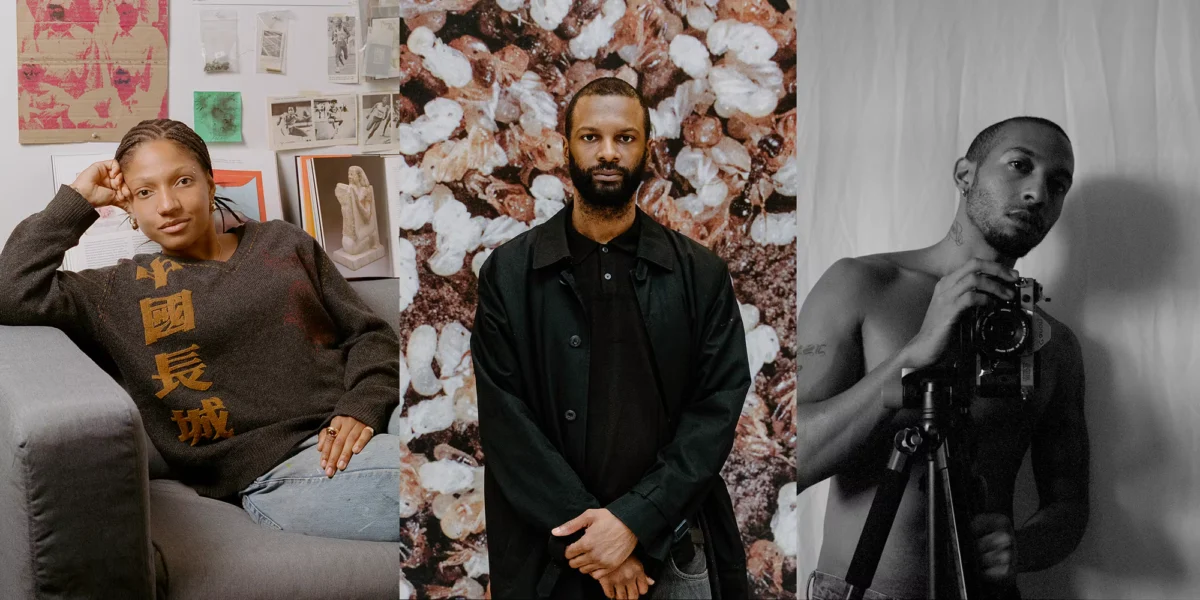
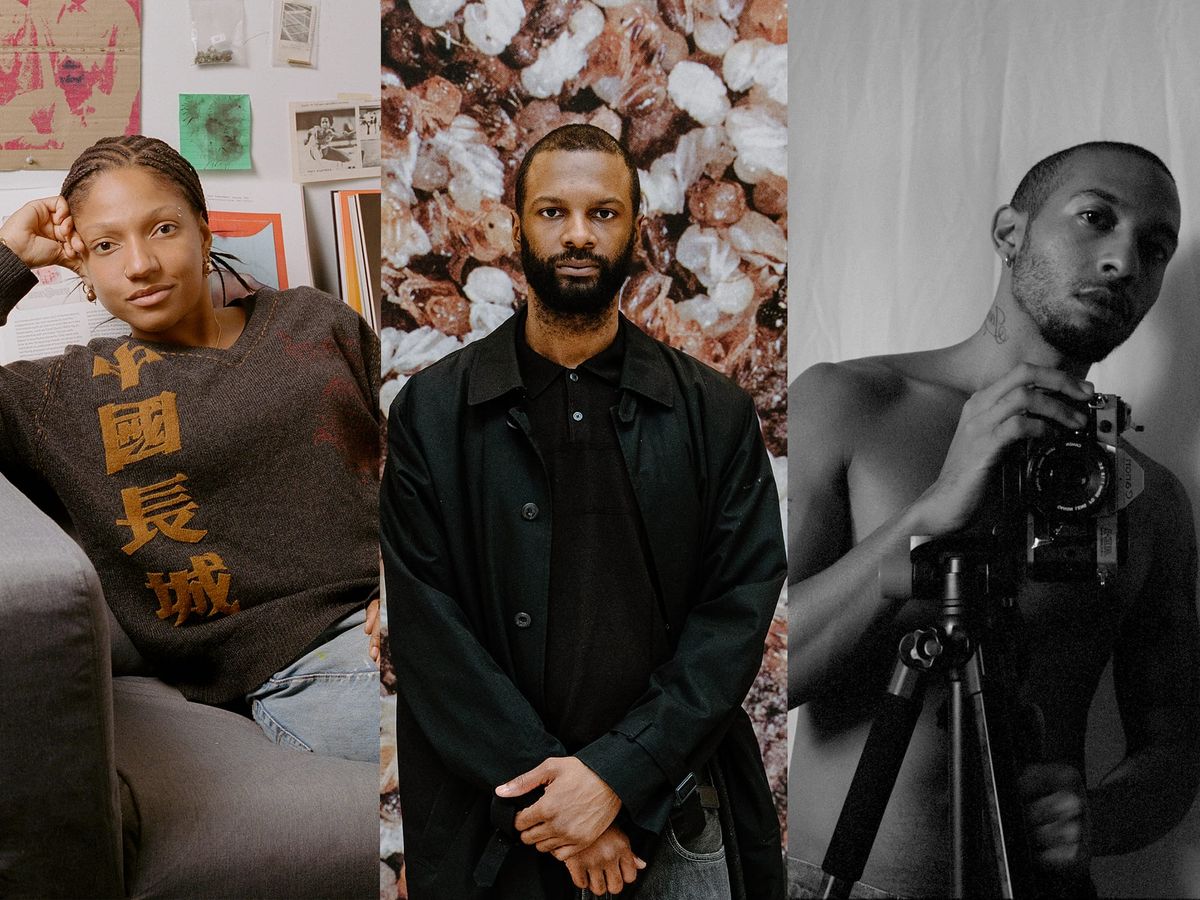
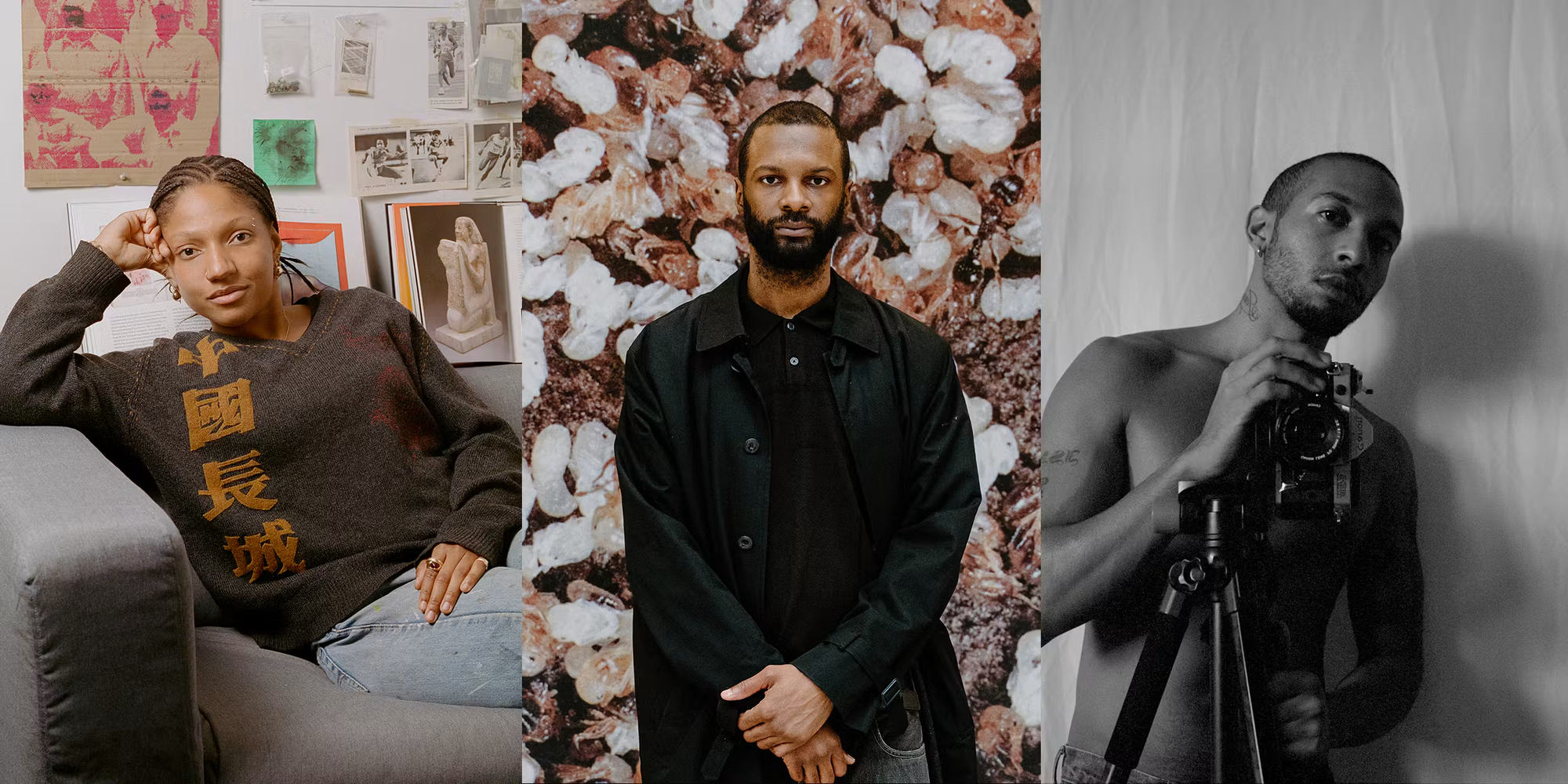
- The Studio Museum in Harlem’s 2026–27 Residents: The venerable institution has officially appointed multidisciplinary artist Turiya Adkins, artist and curator Timothy Yanick Hunter, and photographer-filmmaker Clifford Prince King to its prestigious yearlong residency program. Set to occupy individual studio spaces in the museum’s state-of-the-art new building on West 125th Street, these artists will receive comprehensive professional development, material support, and a platform culminating in a major group exhibition.
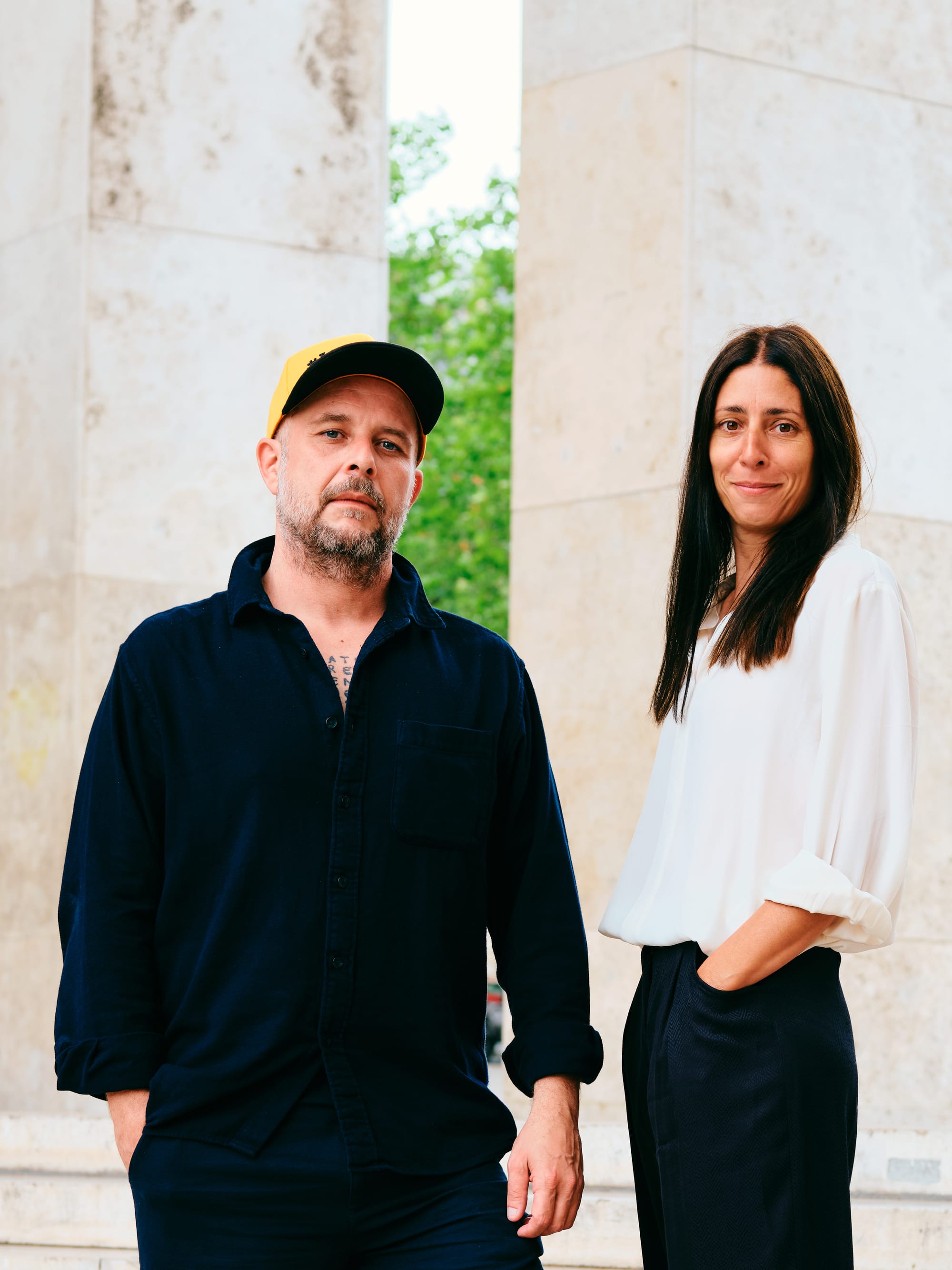
- The Prix Duchamp Victory: The prestigious Prix Duchamp—widely recognized as France’s premier contemporary art award—has been awarded to the artist duo Brognon Rollin, comprising David Brognon and Stéphanie Rollin. Besting fellow nominees Joël Andrianomearisoa, Laura Henno, and Josèfa Ntjam, the duo takes home a €35,000 (~$39,200) cash prize and a featured exhibition at the Musée d’Art Moderne de Paris.
- The Venice Biennale’s Extreme Coda: Austrian pavilion artist Florentina Holzinger has announced the shockingly provocative climax for her ongoing installation, Seaworld Venice. Titled “Closing Étude,” the event will feature a "final dinner" incorporating all bodily waste collected from visitors over a seven-month period, transforming human byproduct into a distilled monument for the future at the Scuola Grande della Misericordia.
Chronology: A Week of Breakthroughs and Closures
Understanding the rhythm of the international art scene requires mapping how these disparate institutional cogs turn in tandem. The milestones announced and executed this week follow a distinct timeline of career advancement, prize adjudication, and Biennale countdowns.
Early November 2026: A New Era in Harlem
As the current cohort of Studio Museum artists-in-residence prepares for the final stretch of their showcase—running through January 3—the transition toward the 2026–27 cycle begins. Starting this November, Turiya Adkins, Timothy Yanick Hunter, and Clifford Prince King officially step into their individual studios at the museum’s newly minted West 125th Street location. This marks a critical continuation of the institution’s decades-long legacy of launching the careers of foundational Black contemporary artists.

Fall/Winter 2026: The Prix Duchamp Exhibition Cycle
While the prize announcement solidifies Brognon Rollin’s place in contemporary art history, the public exhibition showcasing works by the winning duo alongside nominees Joël Andrianomearisoa, Laura Henno, and Josèfa Ntjam opened earlier this season and remains on view at the Musée d’Art Moderne de Paris through February 7. This multi-month exhibition allows critics and the public alike to engage directly with the conceptual underpinnings that convinced the jury of Brognon Rollin’s dominance.
November 22, 2026: The Seaworld Venice Finale
As the 61st Venice Biennale barrels toward its conclusion, the timeline culminates in Holzinger’s apocalyptic yet strangely poetic grand finale. Having spent seven months filtering urine from on-site portable toilets into a central dunk tank, the installation reaches its thermodynamic and conceptual limit on November 22. The "Closing Étude" event will take place outside the officially closed Austrian Pavilion, sealing the pavilion’s legacy as one of the most physically visceral interventions in Biennale history.
Supporting Data and Financial Metrics
Behind the critical acclaim and cultural capital lie concrete figures that sustain the modern art economy, from residency material stipends to national arts grants and prestige prizes.
| Award / Initiative | Recipients / Artists | Financial / Material Support | Venue / Institution |
|---|---|---|---|
| Studio Museum Residency | Turiya Adkins, Timothy Yanick Hunter, Clifford Prince King | Dedicated studio space, material support, professional development, group exhibition | Studio Museum in Harlem (New West 125th Street Building) |
| Prix Duchamp 2026 | Brognon Rollin (David Brognon & Stéphanie Rollin) | €35,000 (~$39,200) cash prize + institutional exhibition | Musée d’Art Moderne de Paris |
| Venice Biennale Austrian Pavilion | Florentina Holzinger (Seaworld Venice) | Full-scale infrastructural installation, logistical support for 7-month run | Scuola Grande della Misericordia, Venice |
Beyond elite international prizes, regional arts funding continues to animate local ecosystems. Recent grants distributed by organizations like the Bronx Council on the Arts—showcasing performance works like ROADMAPPIN’ by Kar’mel Antonyo Wade Small, Kennedy Hill, and Anthony C. Wyche III—demonstrate the vital pipeline of grassroots funding that feeds the broader contemporary ecosystem. Furthermore, institutional archives continue to grow through major gifts, such as the trove of Kiki Smith prints (including her haunting 2000 work Pool of Tears II) heading to the New York Public Library through collaborations with Universal Limited Art Editions (ULAE).
Official Responses and Curatorial Perspectives
The weight of this week’s news lies heavily in the critical validation offered by museum directors, curators, and institutional spokespeople.
Fabrice Hergott, Director of the Musée d’Art Moderne de Paris, offered a poignant appraisal of Brognon Rollin’s victory. He characterized the duo’s conceptual practice not as loud or theatrical, but as “a quiet yet tenacious statement on human vulnerability.” Hergott further elaborated that their work successfully “gives tangible form to what usually escapes our gaze: the passage of time spent waiting, addiction, and inner resilience.” This perspective underscores the Prix Duchamp jury’s ongoing preference for art that addresses sociopolitical realities through rigorous, understated aesthetic frameworks.
Similarly, the leadership at the Studio Museum in Harlem continues to emphasize the transformative nature of its artist-in-residence program. By providing Adkins, Hunter, and King with physical architectural spaces in their new home on 125th Street, the museum reinforces its commitment to nurturing multidisciplinary practices that bridge photography, sculpture, curation, and social commentary.
On the more radical end of the spectrum, Florentina Holzinger’s team has framed the closing act of Seaworld Venice not merely as a shock-value stunt, but as an ecological and philosophical meditation. By framing the distilled, processed waste of thousands of Biennale visitors as a “monument for the future,” the project challenges clean, antiseptic museum standards, forcing viewers to confront the raw biological realities of mass tourism and public art consumption.
Implications for the Future of Contemporary Art
What do these disparate cultural happenings signal for the broader trajectory of the art world as we move deeper into the late 2020s?
- The Reification of Infrastructure: The Studio Museum’s ongoing evolution highlights how architectural investments directly impact artistic output. Providing physical, dedicated studios within newly designed museums creates sustainable localized hubs for artists to experiment without the immediate pressures of the commercial gallery market.
- The Ascendance of Conceptual Endurance: With Brognon Rollin taking the Prix Duchamp and Holzinger pushing bodily endurance to its limits in Venice, contemporary validation increasingly favors art that demands time, patience, and emotional labor. The "art of waiting" and the examination of institutional, psychological, and physical dependencies are proving to be dominant themes of the current decade.
- The Dissolution of Boundaries Between Body and Archive: Acquisitions like the Kiki Smith print trove at the NYPL sit in fascinating dialogue with Holzinger’s bodily waste monuments. While Smith’s work has long explored the corporeal vulnerability of the human form through traditional printmaking, contemporary performance is increasingly literalizing those metaphors. The art world is showing an insatiable appetite for work that reconciles high-brow institutional archiving with raw, unfiltered humanity.
As the chaotic art world turns its pages toward the winter exhibition season, these developments prove that whether through the quiet contemplation of a Harlem studio or the pungent, radical provocation of a Venetian canal, contemporary artists remain relentless truth-tellers of the human condition.
 Basiran
 Muslim
 Evan Lee Salim
