

By Crystal Bell
June 18, 2026
If the FIFA World Cup were a high-stakes romantic comedy, the narrative arc of Mexico and South Korea would be the quintessential "strangers-to-lovers" trope. In a tournament typically defined by nationalistic fervor, aggressive chanting, and high-tension geopolitical tension, the camaraderie between Mexican and South Korean supporters has emerged as the 2026 World Cup’s most endearing anomaly.
As the two nations prepare to clash in a pivotal Group A matchup this Thursday, the atmosphere in host cities like Guadalajara is less a battleground and more a celebration of cross-cultural fusion. From impromptu street performances of "Gangnam Style" to shared rounds of tequila and synchronized BTS chants, the "friendliest rivalry" in football history is on full display.
The Foundations of an Unlikely Friendship
To understand the current synergy, one must look back to the 2018 FIFA World Cup in Russia. At the time, Mexico’s progression to the knockout stage hung by a thread, contingent on the outcome of a match between South Korea and the reigning champions, Germany. In a stunning upset that reverberated globally, South Korea defeated Germany 2-0, effectively opening the door for Mexico to advance.
The reaction in Mexico was instantaneous and profound. Mexican fans, overwhelmed with gratitude, flocked to the South Korean embassy in Mexico City. The scenes were surreal: fans hoisted Korean diplomats onto their shoulders, chanted "Coreano, hermano, ya eres Mexicano" (Korean brother, you are Mexican now), and engaged in a massive, city-wide party. Some fans even crowdfunded beer to hand out to their newfound Korean "brothers."
Eight years later, that specific moment of sports-born serendipity has evolved into a full-fledged cultural exchange. The seed of gratitude planted in 2018 has blossomed into a deep, sustained mutual respect that has defied the typical shelf-life of such viral moments.
Cultural Convergence: Beyond the Beautiful Game
The friendship between Mexico and South Korea is no longer tethered solely to the outcome of a 90-minute match. It has been fortified by a shared appreciation for pop culture and social media connectivity. Mexico has solidified its position as one of the world’s most significant markets for Korean entertainment.

According to 2025 data from Spotify, Mexico ranks among the top five global markets for K-pop streaming. The ubiquity of Korean media in Mexican households—from K-dramas on streaming platforms to the massive, sold-out arena tours of K-pop acts—has bridged a geographical gap of thousands of miles. When South Korean fans touched down in Mexico for the 2026 tournament, they weren’t walking into a foreign land; they were walking into a community that already spoke their cultural language.
Social media has served as the accelerant for this bond. Platforms like TikTok, Instagram Reels, and X have allowed supporters from both nations to share memes, videos of joint celebrations, and collaborative chants. This digital connectivity has made the physical distance irrelevant, creating a transnational fan identity that prioritizes unity over the binary of win-or-lose.
Chronology of a Viral Bond
- June 2018: The "Miracle in Kazan." South Korea defeats Germany, effectively saving Mexico’s World Cup run. The hashtag #GraciasCorea begins trending globally.
- June 2018 (Post-match): Massive celebrations erupt outside the South Korean embassy in Mexico City. The "Coreano, hermano" mantra is coined.
- 2020–2025: A period of sustained cultural growth. K-pop fandoms in Mexico reach record-breaking levels of engagement, and trade relations between the two countries strengthen.
- June 2026 (Lead-up to the World Cup): As the tournament nears, fans from both nations begin posting collaborative content on social media, signaling that the 2018 bond has remained intact.
- June 14, 2026: Hundreds of Mexican fans greet the South Korean national team at their team hotel in Guadalajara. The viral video captures players looking genuinely moved by the warm reception, a stark contrast to the standard, often intimidating, atmosphere of traveling to an away match.
- June 18, 2026: Match day. A tense, high-stakes game that threatens to test the limits of such unprecedented fan affection.
Supporting Data: Why This Rivalry is Unique
The uniqueness of this relationship is backed by more than just anecdotal evidence. Sociological analysts often point to the concept of "empathetic alignment" in sports. In most World Cup scenarios, a "rivalry" is defined by historical grievances or competitive proximity. In the case of Mexico and South Korea, the rivalry is defined by an shared historical "gift"—the 2018 outcome.
Moreover, the demographic makeup of the fanbases plays a role. Both nations boast highly active, digital-native youth populations who are adept at using social media to organize, celebrate, and broadcast their cultural values. When you combine this with the massive reach of Hallyu (the Korean Wave), you create a perfect storm for cross-cultural solidarity. Data from various fan-engagement polls conducted ahead of the 2026 tournament indicated that over 70% of fans from both countries identified the other nation as their "second favorite" team, a statistic almost unheard of in professional football.
Official Responses and Diplomatic Implications
The warmth between the fanbases has not gone unnoticed by the diplomatic corps. Representatives from the South Korean Consulate in Mexico have publicly praised the behavior of the fans, noting that such interactions foster stronger bilateral relations.
"It is rare to see sports function as such an effective tool for soft power," noted Dr. Elena Morales, a sports sociologist. "Usually, the pressure of a World Cup match creates an ‘us vs. them’ mentality. But here, the fans have managed to maintain an ‘us vs. the world’ perspective, where they view each other as partners in a global tournament."
While the national football federations remain focused on the tactical requirements of the match, players have also expressed their gratitude. During recent press conferences, South Korean team captain Son Heung-min remarked on the overwhelming support, noting that the team felt "at home" in Mexico. Similarly, Mexican stars have publicly stated their respect for the tactical discipline and evolution of the South Korean squad.

The Impending Reality Check
Despite the fanfare, the "friendliest rivalry" faces its most difficult challenge yet: the scoreboard. As the referee prepares to blow the whistle on June 18, the reality of the World Cup tournament structure will take precedence. Both teams are fighting for a spot in the Round of 16, and the stakes of the match are objectively high.
Conflict is a necessary component of drama, and in football, that conflict is physical and tactical. For 90 minutes, the songs, the shared tequila, and the K-pop tributes will have to take a backseat to professional competition. As one fan aptly summarized to reporters, "Whoever wins, that’s my team." This philosophy suggests that the bond is resilient enough to survive even a painful defeat for either side.
The Broader Implications for Sports Culture
The Mexico-South Korea narrative provides a blueprint for how sports can transcend the traditional, often toxic, boundaries of nationalism. By integrating cultural exchange—music, food, and shared history—into the fabric of the sporting experience, these fans have created a model for what the World Cup could be.
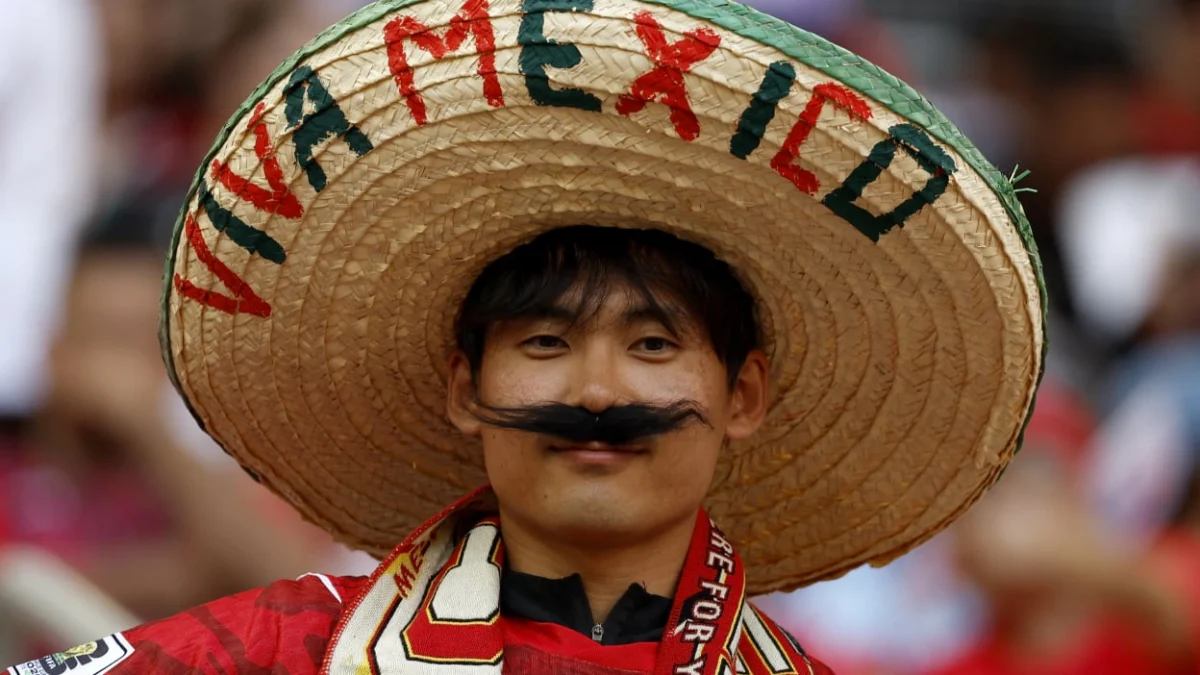
In a world that often feels increasingly fractured, the spectacle of a Mexican fan in a sombrero sporting a South Korean jersey, or a Korean fan learning to shout in Spanish, serves as a powerful reminder of the connective power of human interaction. This match is not just a game of soccer; it is a testament to the fact that when cultures collide, it doesn’t always have to result in friction. Sometimes, it results in a friendship that lasts long after the final whistle blows and the stadium lights go out.
As the world turns its eyes to the pitch this Thursday, we aren’t just watching a sport. We are watching a case study in global empathy. Whether the result is a draw or a decisive victory, the true winners are the fans who have managed to redefine what it means to be a rival. In this case, the enemy of my enemy is not my friend—my friend is my friend, regardless of the scoreboard.
 Suro Senen
 Nana Wu
 Neng Nana
