

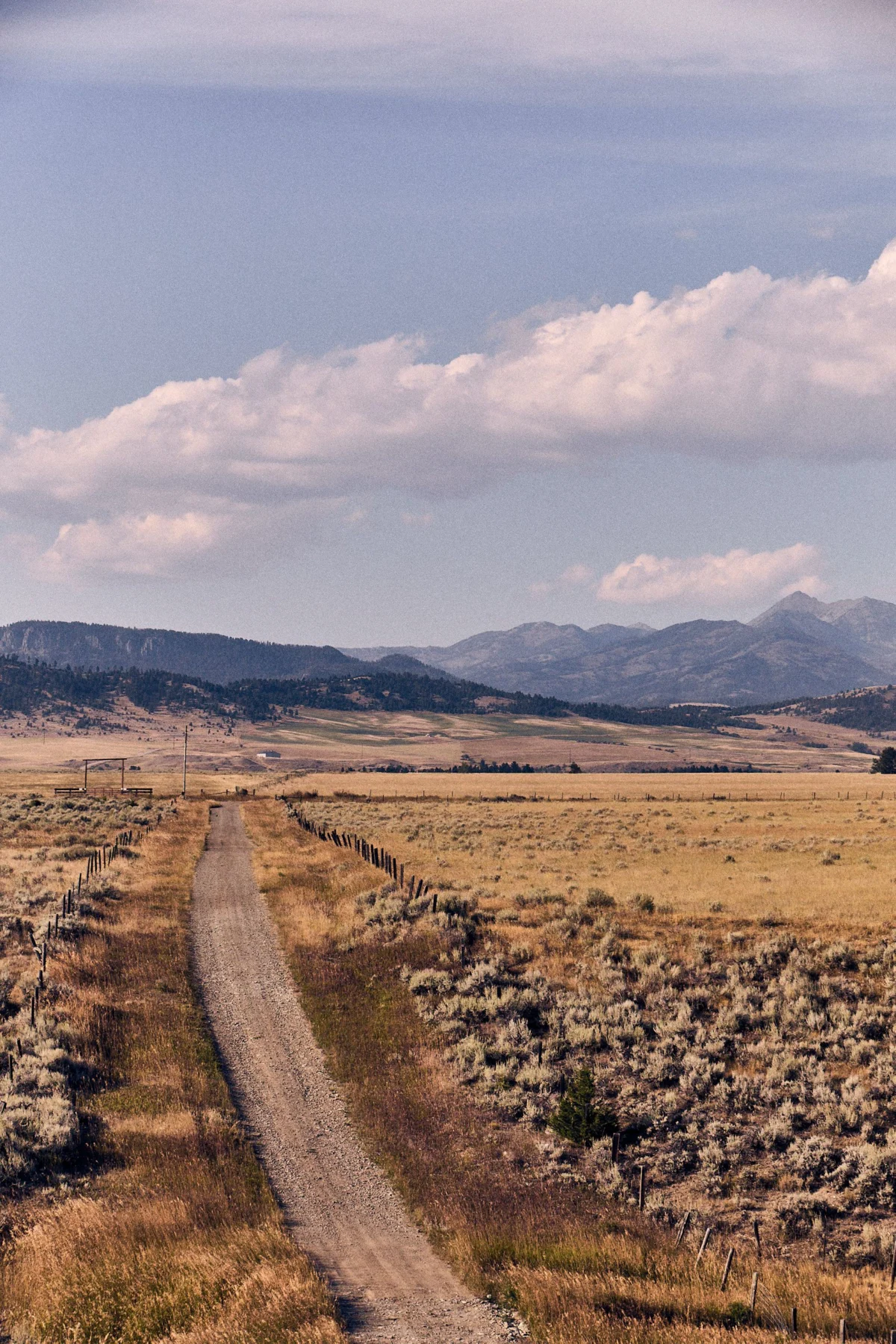
For over a century, the Madison Range of the Rocky Mountains has served as a sanctuary for those seeking the profound stillness of the American West. Today, however, that silence is being punctuated by the rhythmic thrum of construction, the buzz of private aviation, and the evolving culinary ambitions of a region once defined solely by its proximity to Yellowstone National Park. Big Sky, Montana—an unincorporated community of roughly 3,000 year-round residents—is currently navigating the delicate, often contentious transition from a rugged ski outpost to a world-class destination for the global elite.
The Weight of History and the Pulse of the Present
"Big Sky has always been a sacred place," says Menka Vansant, a horse wrangler at the historic Lone Mountain Ranch. Established in 1915, the ranch sits in the shadow of the peaks that define the region. Vansant, whose own journey to the mountains—via Rhode Island, a career in tech, and environmental science work in South Africa—mirrors the eclectic mix of transplants who now call this valley home, views the land with a deep sense of reverence.

For centuries, this topography was not merely a backdrop but a transit corridor for as many as 49 Indigenous tribes, including the Crow, Sioux, and Blackfeet. They traversed these valleys en route to the Yellowstone caldera to hunt and forage. Walking the sun-dappled trails today, surrounded by lodgepole pines, spruces, and firs, one can still find remnants of a deeper history—such as fossilized seashell patterns that speak to a time 70 million years ago when this region was entirely submerged. In an era where "frantic" has become the default setting for the modern professional, Big Sky offers an antidote: a landscape that forces you to recalibrate your internal clock to the pace of geological time.
Chronology of a Boom: From 1973 to the Modern Era
The identity of Big Sky is a relatively modern construct. Unlike older, more established mountain towns in the American West—such as Aspen or Telluride in Colorado, or Jackson, Wyoming—Big Sky did not exist as a community prior to the advent of the ski industry.

- 1915: The establishment of the original homesteads that would eventually become Lone Mountain Ranch.
- 1973: The opening of Big Sky Resort at the foot of Lone Mountain, effectively placing the area on the map as a winter sports destination.
- 1997: The launch of the Yellowstone Club, an ultra-exclusive, private residential community that fundamentally altered the economic trajectory of the region.
- 2014–2024: A decade of rapid expansion, marked by Boyne Resorts adding 20 new lifts and the arrival of global luxury hospitality brands.
- 2020–Present: The pandemic-era migration, which saw a massive surge in luxury real estate investment, cementing Big Sky’s status as a year-round retreat for the ultra-wealthy.
The arrival of the Montage Big Sky and the One&Only Moonlight Basin in the last five years has signaled a departure from the "ski-only" era. These developments, offering access to nearly 6,000 acres of skiable terrain, have positioned the area as the fourth-largest ski destination in North America.
Supporting Data: The Infrastructure of Growth
The rapid expansion of Big Sky is best viewed from the air. A flight with Endeavor Ballooning reveals a valley floor where tractors and bulldozers reshape the earth with clockwork precision. What was, until recently, gently molded shrubbery is now the site of extensive condo developments and luxury infrastructure.

The Economic Shift
The economic landscape of southwestern Montana has evolved to meet the demands of this influx of wealth. Culinary and agricultural sectors have seen a "renaissance," driven by residents and visitors who expect high-end, farm-to-table experiences. Chefs and entrepreneurs like Eduardo Garcia, founder of Montana Mex, have become the faces of this movement. Garcia, who bridges the gap between traditional ranching culture and modern culinary arts, views the current moment as a "heyday for food."
Biodiversity and Preservation
The region remains a critical corridor for the Greater Yellowstone Ecosystem. From the saddle of a mountain bike in the Lee Metcalf Wilderness, it is not uncommon to spot bald eagles, mountain goats, elk, and, on occasion, wolves or grizzlies. The challenge, as noted by local conservationists and business leaders alike, is ensuring that the development of "human infrastructure" does not erode the natural capital that draws people here in the first place.

Official Perspectives: Balancing Growth and Livability
The transformation of Big Sky has naturally sparked a divide. Some long-term residents express concern over the loss of the town’s original, low-key character, while others emphasize the benefits brought by new capital.
Randy Hall, a Montana native and naturalist guide at Lone Mountain Ranch, recalls a time when the only dining option in the off-season was a local pizza parlor. Today, that same town boasts a community center, a new post office, and expanded school facilities—all financed by the influx of tax revenue and philanthropic efforts associated with the area’s growth.

Brad Niva, CEO of the Big Sky Chamber of Commerce, advocates for a philosophy of "managed growth." His agenda is clear: increase social services, improve transportation, and pivot the local economy toward sustainability. "Unlike more mature communities," Niva notes, "Big Sky has the opportunity to pivot." The goal is to move from a community that merely accommodates visitors to one that supports its residents while preserving the integrity of the land.
Implications: The Future of the Yellowstone Corridor
The reality of Big Sky is inextricably linked to Yellowstone National Park. With nearly a million visitors entering the park during the peak summer months, the pressure on the landscape is immense. The current strategy for tourism in the region involves decentralizing the experience. By offering high-end, low-density lodging like the One&Only Moonlight Basin, developers hope to provide a sense of exclusivity that keeps the surrounding wilderness from becoming overwhelmed by the mass-market tourism seen at Old Faithful or Grand Prismatic Spring.

However, the "Yellowstone life" comes with its own set of contradictions. As one explores the region—from the private gates of the Yellowstone Club to the public trails of the national park—the contrast between the gated, ultra-exclusive enclaves and the rugged, unpredictable reality of nature becomes stark.
The Ecological Warning
The presence of wildlife, such as the bison that define the Hayden Valley rutting season, serves as a permanent reminder of the land’s original inhabitants. As Ash Tallmadge of the Yellowstone Safari Company points out, the bison don’t care about luxury hotels or stock prices. Their behavior is an "elemental reality" that persists regardless of the human developments surrounding them.

Conclusion: A New Synthesis?
Big Sky is in the midst of a grand experiment. Can a community founded on the concept of a "wilderness escape" successfully transition into a year-round luxury hub without losing the very "sacred" quality that gave it value in the first place?
The answer may lie in the mindset of its newest inhabitants. Many, like the founders of North Bridger Bison or the owners of Bodhi Farms, are not just "transplants"—they are people seeking a "flow state," a connection to the land that is grounded in stewardship rather than exploitation. If the town can successfully balance the interests of its high-net-worth visitors with the needs of its working-class residents and the ecological requirements of the surrounding range, Big Sky might just set the blueprint for the future of the American mountain town.

For now, the mountains remain indifferent to the changes at their feet. They offer, as they always have, the quiet promise of geological time—a reminder that we are all merely visitors, passing through a landscape that was here long before us and will endure long after we are gone.
 Lina Hope
 rifanmuazin
 Layla Zulfa
