

In the age of social media, wellness trends often gain traction through catchy monikers and rapid-fire advice. The latest sensation, "fibermaxxing," has encouraged a generation of health-conscious individuals to prioritize a nutrient that has been historically overlooked in the modern Western diet. Proponents of the trend argue that by significantly increasing fiber intake, one can unlock a cascade of health benefits—from improved gut microbiome diversity to more stable blood sugar levels.
However, a recurring theme has emerged in the discourse: the uncomfortable, and often painful, digestive side effects that accompany a sudden surge in fiber consumption. Bloating, abdominal cramping, and excessive gas have led many to abandon their fiber goals prematurely. According to experts, this response is not a signal that fiber is harmful, but rather a sign that the body is ill-equipped to handle a sudden influx of a complex substance it hasn’t been "trained" to process.
The Essential Role of Fiber in Human Health
Before diving into the physiological challenges, it is vital to acknowledge why fiber remains the "gold standard" of nutritional health. Despite its reputation as merely a tool for regularity, dietary fiber is a multifaceted powerhouse.
The Biological Benefits
Fiber is a type of carbohydrate that the human body cannot digest. Unlike fats, proteins, or other carbohydrates that the body breaks down and absorbs into the bloodstream, fiber passes relatively intact through your stomach, small intestine, and colon. It is this unique quality that allows it to perform its heavy lifting:
- Blood Sugar Regulation: Soluble fiber dissolves in water to form a gel-like substance, which can slow the absorption of sugar, helping to prevent sharp spikes in blood glucose.
- Cardiovascular Health: Research has consistently shown that fiber—particularly soluble fiber found in oats and legumes—can bind to cholesterol particles in the digestive system and move them out of the body before they are absorbed.
- The Gut Microbiome: Fiber acts as a "prebiotic," serving as fuel for the beneficial bacteria that reside in the colon. A healthy microbiome is linked to improved immunity, better mood regulation, and lower inflammation levels.
Despite these advantages, Desiree Nielsen, a registered dietitian and plant-based nutrition expert, emphasizes that fiber is consistently undervalued. "Even with fiber becoming a growing trend, people still greatly underestimate its importance and, also, just how many ways it benefits the human body," she notes.
The Anatomy of Digestive Distress: Why "Too Much, Too Soon" Backfires
The primary reason people experience discomfort when increasing fiber is rooted in the very mechanism that makes fiber healthy. Because fiber is not absorbed, it must be fermented by bacteria in the colon. This fermentation process produces gas as a byproduct.
When an individual who is accustomed to a low-fiber diet suddenly introduces large quantities of fiber—such as swapping a bagel for a massive bowl of beans or adding multiple scoops of psyllium husk to a smoothie—the colon is essentially caught off guard. The sudden influx of material forces the gut bacteria to work in overdrive, resulting in an excessive production of gas, which leads to bloating and cramping.
Dr. Lisa Ganjhu, a gastroenterologist at NYU Langone Health, sees this scenario frequently. "I have a lot of patients that will say, ‘I ate more fiber, and now I’m really bloated and crampy,’" she explains. This phenomenon creates a "bottleneck" effect. If the system is already sluggish or suffering from existing constipation, dumping large amounts of fiber into the digestive tract can act like a traffic jam, exacerbating the very symptoms the patient was attempting to resolve.
Fiber Training: A Strategic Approach to Digestive Fitness
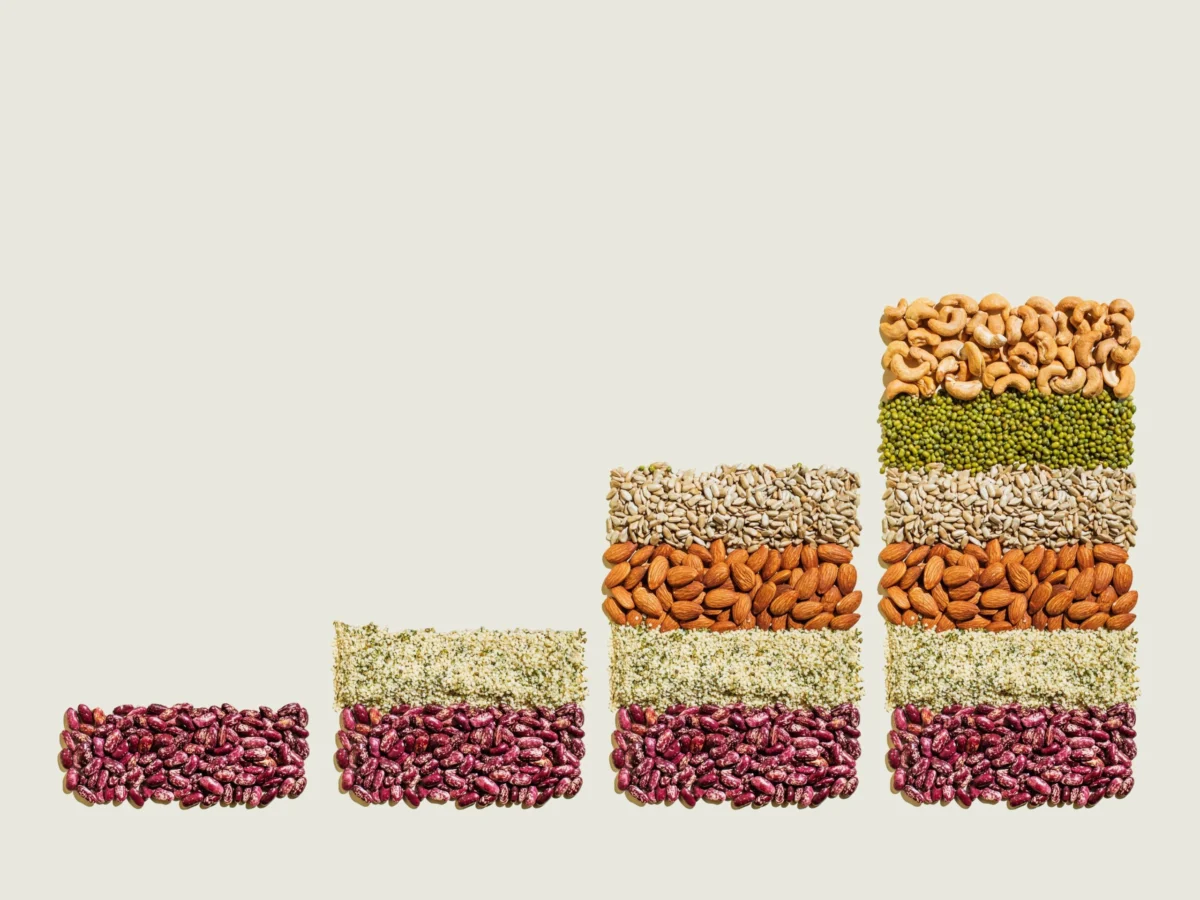
To avoid the "awkward stage" of digestive distress, experts recommend a strategy known as "fiber training." This methodology treats the digestive system much like a muscle that requires gradual conditioning.
The Analogy of Physical Conditioning
Just as one would not attempt to run a marathon without first building up cardiovascular endurance, one should not jump to the recommended daily fiber intake (typically 25 to 30 grams) in a single day.
Dr. Ganjhu compares the process to weightlifting. "You start off with 10 [pounds]. When that becomes easy, you go to 20, then you go to 30—and so on." By introducing fiber in small, incremental doses, the gut microbiome has the opportunity to adapt to the changing environment, and the muscles of the digestive tract learn to manage the increased volume of waste without cramping or distress.
Step-by-Step Implementation
The process of fiber training is highly individualized, but the following framework serves as a safe starting point for most adults:
- Assess the Baseline: Determine your current fiber intake. The Dietary Guidelines for Americans suggest 25–28 grams per day for women, though many adults currently consume less than half that amount.
- The Incremental Increase: Increase your intake by only 3 to 5 grams at a time. This could mean adding a single serving of an apple, a tablespoon of chia seeds, or a half-cup of chickpeas to your daily routine.
- The Observation Phase: Stay at that specific dosage for five to seven days. During this time, monitor your body for symptoms of gas or bloating.
- Gradual Advancement: Once your body demonstrates it can handle the current dose comfortably, add another 3 to 5-gram increment.
- Listen to Your Biology: If you experience significant discomfort, remain at the current level for an extra few days before attempting another increase. There is no race to reach the daily goal.
Supporting Data and Best Practices
When engaging in fiber training, the type of fiber and the accompanying lifestyle factors are as important as the quantity.
Navigating FODMAPs
For those with particularly sensitive stomachs or existing digestive conditions like Irritable Bowel Syndrome (IBS), certain high-fiber foods may be inherently more difficult to process. These foods are often high in FODMAPs—fermentable oligo-, di-, and monosaccharides and polyols.
"People who are constipated may want to specifically fiber train with foods that are low in FODMAPs," says Nielsen. For example, kiwis are an excellent choice. Studies have shown that kiwis are not only high in fiber but also contain actinidin, an enzyme that aids in protein digestion and bowel motility, making them a "gold standard" for those beginning their fiber journey.
The Role of Hydration
It is impossible to discuss fiber without discussing water. Fiber acts as a sponge, pulling water into the stool to soften it and aid its transit through the colon. If you increase your fiber intake without a corresponding increase in fluid intake, the fiber can become "clogged," leading to harder, drier stools and increased constipation.
While the "eight glasses a day" rule is often debated in scientific circles, the necessity of hydration during a high-fiber diet is an absolute requirement. A simple rule of thumb is to monitor the color of your urine; it should remain a pale straw color throughout the day.
Clinical Implications and Long-Term Success
The long-term implications of successful fiber training are profound. By transitioning to a high-fiber diet, individuals can significantly reduce their long-term risk of colorectal cancers, diverticulosis, and metabolic syndrome.
However, experts stress that patience is the ultimate variable in success. The goal is "colonic fitness"—a state where the gut is efficient, comfortable, and resilient. If you are starting from a low-fiber baseline, it may take several weeks or even months to reach the recommended daily intake.
"If you’re someone who doesn’t eat a lot of fiber and all of a sudden you start eating 30 grams of it, the colon is just not going to know how to manage that efficiently," Dr. Ganjhu warns. By honoring the body’s need for adaptation and avoiding the temptation of the "fibermaxxing" trend’s all-or-nothing approach, you can achieve a sustainable, health-promoting diet that supports your well-being for decades to come.
Summary Checklist for Beginners
- Start low: Begin with 3–5 grams of extra fiber per day.
- Stay consistent: Maintain that level for at least a week before increasing.
- Prioritize water: Ensure you are well-hydrated to help fiber move through your system.
- Choose wisely: If you are sensitive, opt for low-FODMAP fiber sources like kiwis or psyllium husk supplements.
- Track symptoms: Keep a mental (or written) note of how your body responds to specific foods.
Ultimately, your digestive health is a marathon, not a sprint. By applying the principles of fiber training, you can turn a potentially painful transition into a seamless and beneficial lifestyle change.
 Asro
Asro
 Suro Senen
