

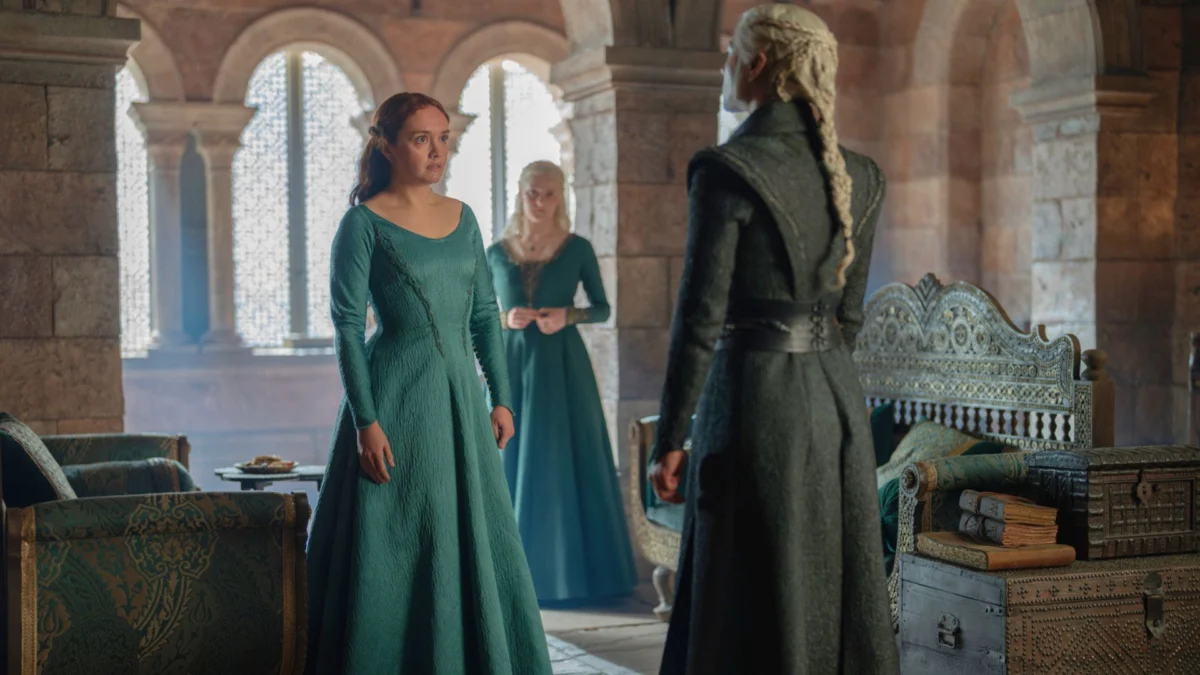
The brutal, unforgiving nature of the Dance of the Dragons has long been the hallmark of George R.R. Martin’s Fire & Blood. As House of the Dragon progresses through its third season, showrunner Ryan Condal has demonstrated time and again that he is unafraid to dismantle the Targaryen dynasty with surgical, often heartbreaking, precision. For viewers of the hit HBO series, the stakes have never been higher, and as the civil war between the Blacks and the Greens escalates, the inevitability of major character deaths looms like a dragon’s shadow over King’s Landing.
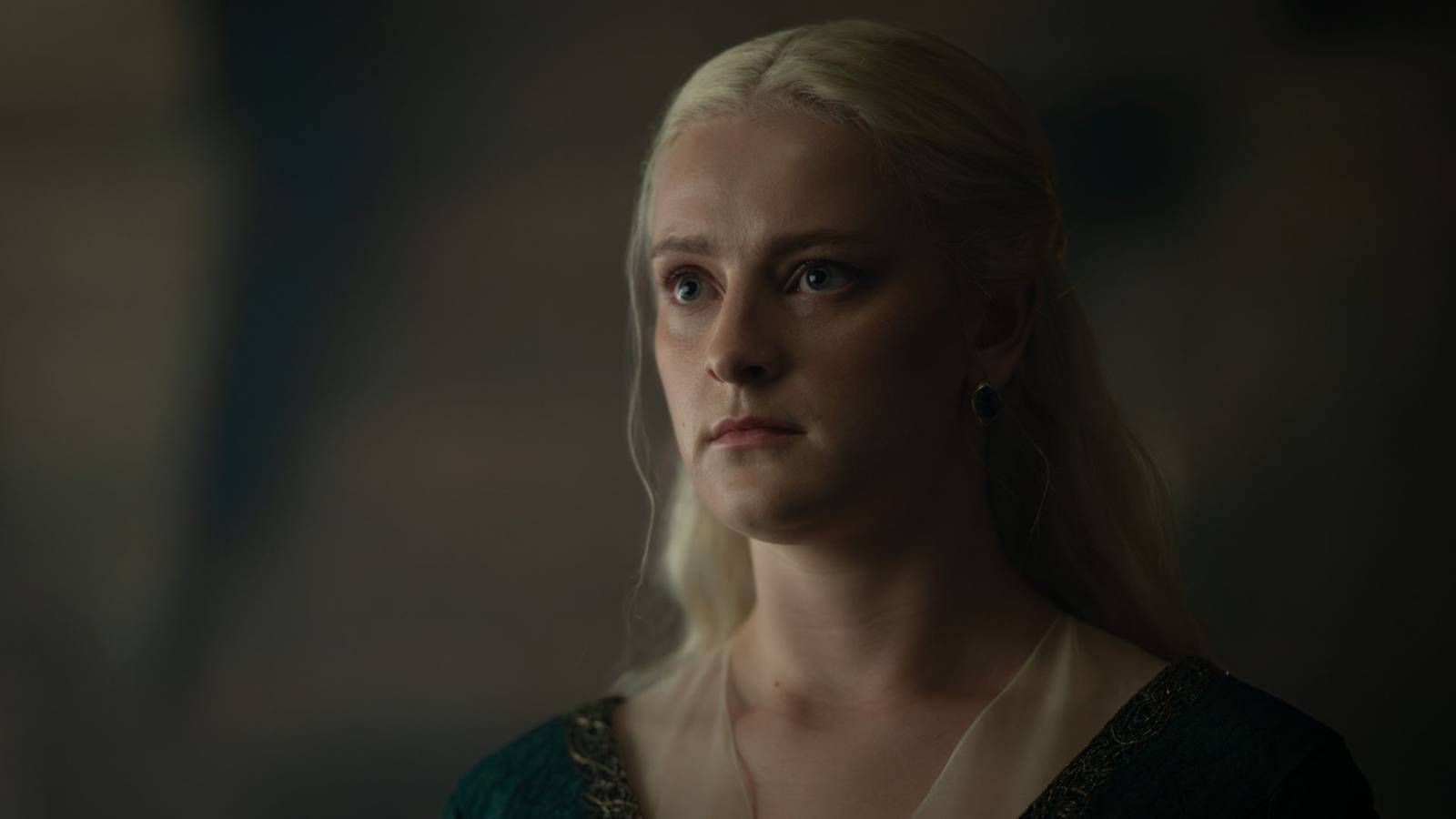
Among the most discussed and anticipated departures is that of Queen Helaena Targaryen. Daughter of King Viserys I and Alicent Hightower, and sister-wife to the usurper Aegon II, Helaena has been portrayed as a tragic, prophetic figure—a woman who simply wished for a quiet life with her insects and her chickens, far removed from the blood-soaked machinations of the Iron Throne. Yet, history is rarely kind to the gentle in Westeros.
The Main Facts: A Queen’s Untimely End
In the source material, Fire & Blood, the death of Helaena Targaryen serves as a pivotal turning point in the conflict. Following Rhaenyra Targaryen’s successful conquest of King’s Landing, the capital is plunged into chaos. It is during this period of occupation that Helaena, broken by grief and the pressures of the court, meets her end.
According to the historical accounts recorded by the maesters, Helaena died after throwing herself from a window in Maegor’s Holdfast, impaling herself upon the iron spikes that line the dry moat below. It was a grisly, public, and deeply symbolic death that shattered the morale of the common folk who had grown fond of the soft-spoken queen. While the how of her death is documented with horrific clarity, the why remains a subject of intense academic and political debate within the world of Westeros.
Chronology of a Tragedy: Conflicting Accounts
History in the A Song of Ice and Fire universe is rarely a singular narrative. Because Fire & Blood is written as a chronicle compiled from various, often biased, sources, Helaena’s final moments are shrouded in three primary, conflicting interpretations.
The Grief-Stricken Suicide
Grand Maester Munkun, in The Dance of the Dragons, A True Telling, posits that Helaena’s suicide was the result of profound depression and trauma. Munkun cites the public execution of Ser Thoron and Ser Denys—men who attempted to liberate Corlys Velaryon from the Red Keep—as the final straw for the Queen, who had already been pushed to the brink of her sanity by the war’s relentless cruelty.
The Mother’s Despair
Septon Eustace, whose account is often considered more intimate if not always politically objective, argues that Helaena’s death was triggered by the murder of her son, Maelor. In the books, Maelor is ripped apart by a mob at Bitterbridge. Upon hearing the news of her child’s gruesome end, Helaena is said to have succumbed to total despair, choosing to end her life rather than continue in a world that had stolen everything she held dear.
The Political Assassination
Perhaps the most chilling theory is the one whispered by the commoners of King’s Landing. There are those who believe that Helaena did not jump of her own volition, but was instead murdered on the direct orders of Rhaenyra Targaryen. The motive, according to this darker interpretation, was to inflict maximum suffering on the Green faction and to preemptively eliminate a figurehead around whom the smallfolk might rally during Prince Daeron’s eventual counter-offensive.
Supporting Data: The Show vs. The Book
House of the Dragon has never been a slave to the source material, often choosing to iterate on the lore to fit the medium of television. The most famous departure, of course, was the "faked death" of Laenor Velaryon. While the book states he was murdered by his lover, Ser Qarl Correy, the show allowed him to escape to Essos, suggesting that the "history" written by the maesters might be intentionally misleading.
Does this mean Helaena’s death could be similarly subverted?
Currently, the show’s landscape is vastly different from the book. Most notably, the character of Maelor the Younger does not exist in the television continuity. In Fire & Blood, Maelor’s death is the catalyst for Helaena’s mental collapse. Without him, the showrunners have been forced to recontextualize Helaena’s arc. She is currently a prisoner of the Black Council, trapped in the Red Keep alongside her mother, Alicent.
The absence of Maelor provides the writers with a blank slate. If Helaena dies in the show, the motivation will likely be tied to her captivity and the power dynamics between her and Rhaenyra, rather than the specific grief over a son who never existed in this timeline.

Official Responses and Creative Direction
While HBO has maintained a strict embargo on future plot developments for Season 3 and beyond, showrunner Ryan Condal has been vocal about the "unreliable narrator" aspect of the series. He has repeatedly noted that House of the Dragon is not a documentary, but a retelling of stories passed down through centuries.
"When we look at the history of the Targaryens," Condal noted in a recent interview, "we have to ask ourselves: who is writing this down? And what do they stand to gain by the truth being hidden?"
This creative philosophy suggests that while Helaena’s death is likely, the circumstances may be vastly different from the accounts of Munkun or Eustace. The production team has invested heavily in Phia Saban’s performance, crafting a version of Helaena that is deeply empathetic, making her potential demise a move that must be handled with extreme narrative care.
Implications for the War
The death of Helaena Targaryen is more than just the end of a character; it is a catalyst for the "Dying of the Dragons." In the literature, her death triggers the Riots of King’s Landing. The commoners, who viewed her as a symbol of innocence in a conflict of monsters, rose up against Rhaenyra’s rule.
If the show follows this trajectory, the implication is that Rhaenyra’s grip on the capital will slip. The death of a queen—whether by her own hand or through the cruelty of her captors—serves as a spark that turns the urban populace against the Black Queen. It signifies the moment when the war stops being a battle between dragons and starts becoming a war of the people against their rulers.
Furthermore, for the Black Council, the death of Helaena creates a vacuum of legitimacy. As long as she is alive, there is a moderate voice within the Green camp that could theoretically be negotiated with. Her death removes that possibility, signaling that the Dance of the Dragons has reached a point of no return where only total victory or total destruction remains.

The Road Ahead
As House of the Dragon continues, the audience is left in a state of suspended animation. We know the destination—the tragic, lonely death of a woman who wanted nothing more than to tend to her chickens—but the path to that moment remains open to interpretation.
Will the showrunners honor the grim, historical accuracy of the books, or will they provide a final act of agency for a character who has been denied it for so long? Whatever the outcome, Helaena’s arc stands as a testament to the tragedy of the Targaryen civil war. In a world of fire and blood, the most innocent souls are often the ones who pay the highest price. As the episodes unfold, viewers will be watching closely to see if the "prophetic" Queen Helaena sees her end coming, and whether she will choose to meet it on her own terms.
For now, the Queen remains in the Red Keep, and the shadows grow ever longer. The dance is far from over, and the bodies are only beginning to pile up.
 Layla Zulfa
 Basiran
 Dwi Wanna
