

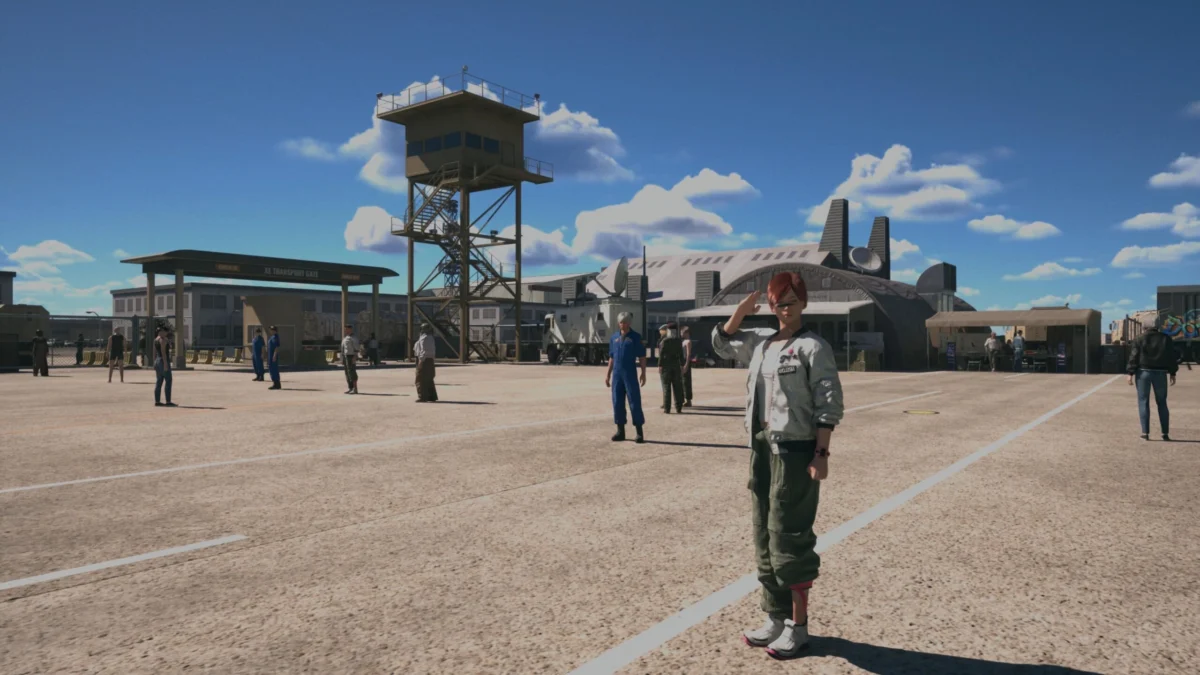
Main Facts: A Triumphant Campaign Overshadowed by Monetization
Bandai Namco’s Ace Combat 8: Wings of Theve arrives as a monumental achievement for arcade flight combat enthusiasts, pairing a critically lauded, feature-length single-player campaign with an ambitious live-service multiplayer extension titled Ace Combat Online. The base single-player experience spans an immersive 25 hours across 30 meticulously crafted missions, delivering the cinematic dogfighting and soaring orchestral arrangements that long-time series veterans have come to expect.
However, the launch of Ace Combat Online has introduced a contentious industry paradox. While the moment-to-moment aerial skirmishes, cooperative raids, and high-velocity team engagements provide some of the most exhilarating multiplayer experiences of the year, the mode is heavily bogged down by convoluted navigational menus, demanding progression grinds, and an aggressive, predatory microtransaction economy.
The crux of the community backlash stems from a fundamental disconnect: Ace Combat 8 is a standard $70 premium release, yet it adopts the hyper-monetized, friction-heavy monetization models typically reserved for free-to-play battle royale titles. With tiered seasonal passes, obfuscated currency bundling, and paywalled cosmetic items, the game asks players to stomach free-to-play monetization tactics after already paying a top-tier admission price.
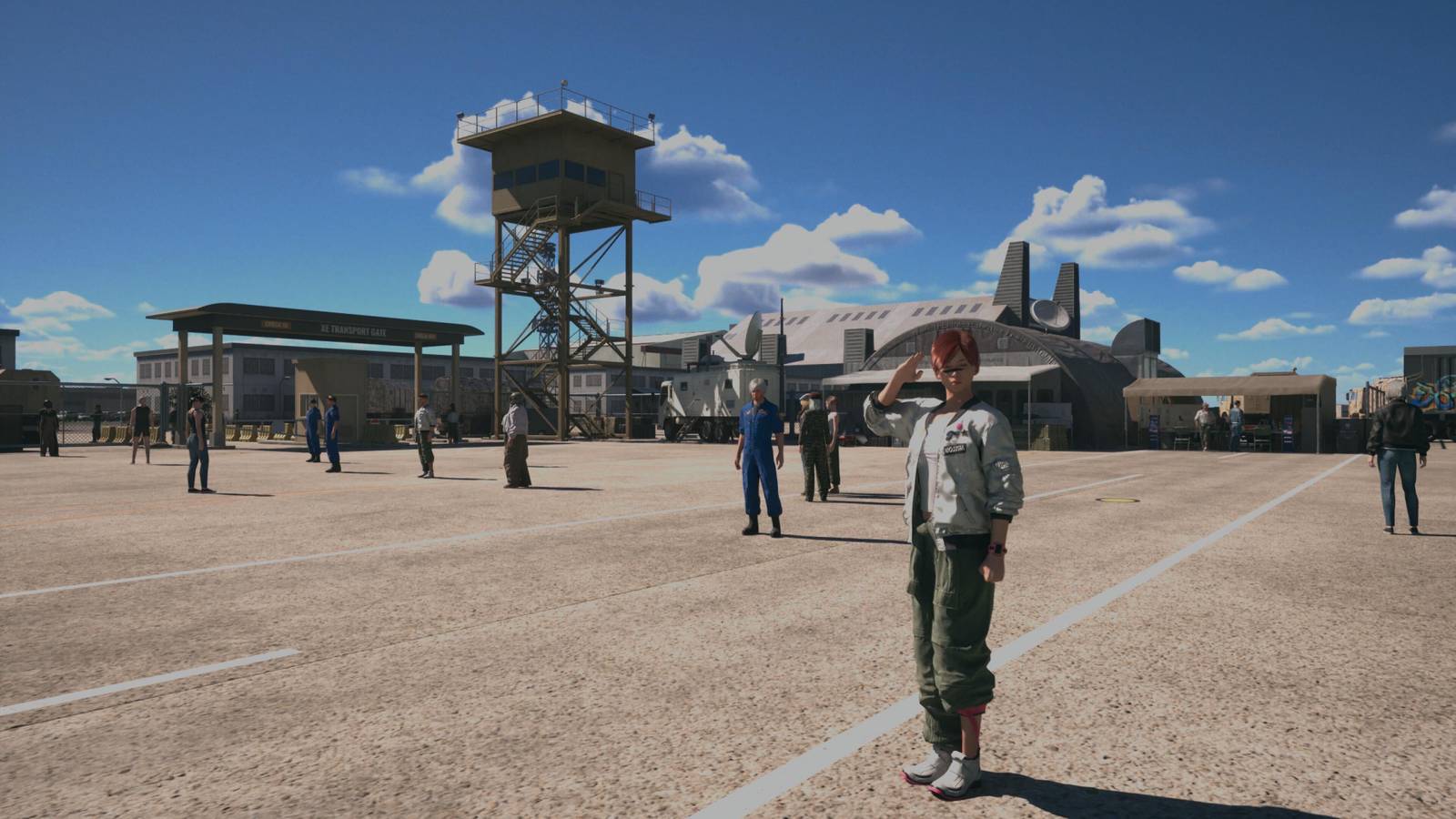
Chronology of Events: From Review Embargoes to Global Launch
The rollout of Ace Combat 8: Wings of Theve followed a tightly controlled schedule that ultimately masked early warning signs regarding the game’s online infrastructure:
- Pre-Launch Review Period: Reviewers, including industry critics who received early copies, were largely restricted to evaluating the single-player campaign. Access to Ace Combat Online servers prior to the review embargo was severely limited to brief, controlled windows featuring curated playlists alongside press and developers. Because of these population constraints, comprehensive pre-release critiques of the live-service infrastructure were nearly impossible to formulate.
- Early Access and Pre-Order Phase: Dedicated fans who pre-ordered higher-tier editions of the base game gained early access to Ace Combat Online, immediately exposing the servers to the wider community. This initial influx of players quickly highlighted severe UI bottlenecks and the true scope of the game’s monetization systems.
- Official Global Release: The game rolled out worldwide for major platforms, inviting millions of players into its $70 ecosystem. Day-one player sentiment immediately split into two distinct camps: universal praise for the core flight mechanics and campaign storytelling, paired with sharp criticism directed at the labyrinthine menus and the "Ace Pass" monetization structure.
- Present Day: As the community navigates the opening weeks of the game’s first live-service season, players are calling on Bandai Namco to introduce quality-of-life patches that streamline menu navigation, adjust match timers, and re-evaluate the value proposition of its premium store.
Supporting Data: The Anatomy of a $70 Live-Service Economy
To understand why Ace Combat Online has sparked controversy, one must examine the specific mechanics and financial architecture driving the experience:
- Campaign Scope: 25 hours of gameplay spread across 30 distinct single-player missions, establishing a robust baseline value for the $70 purchase price.
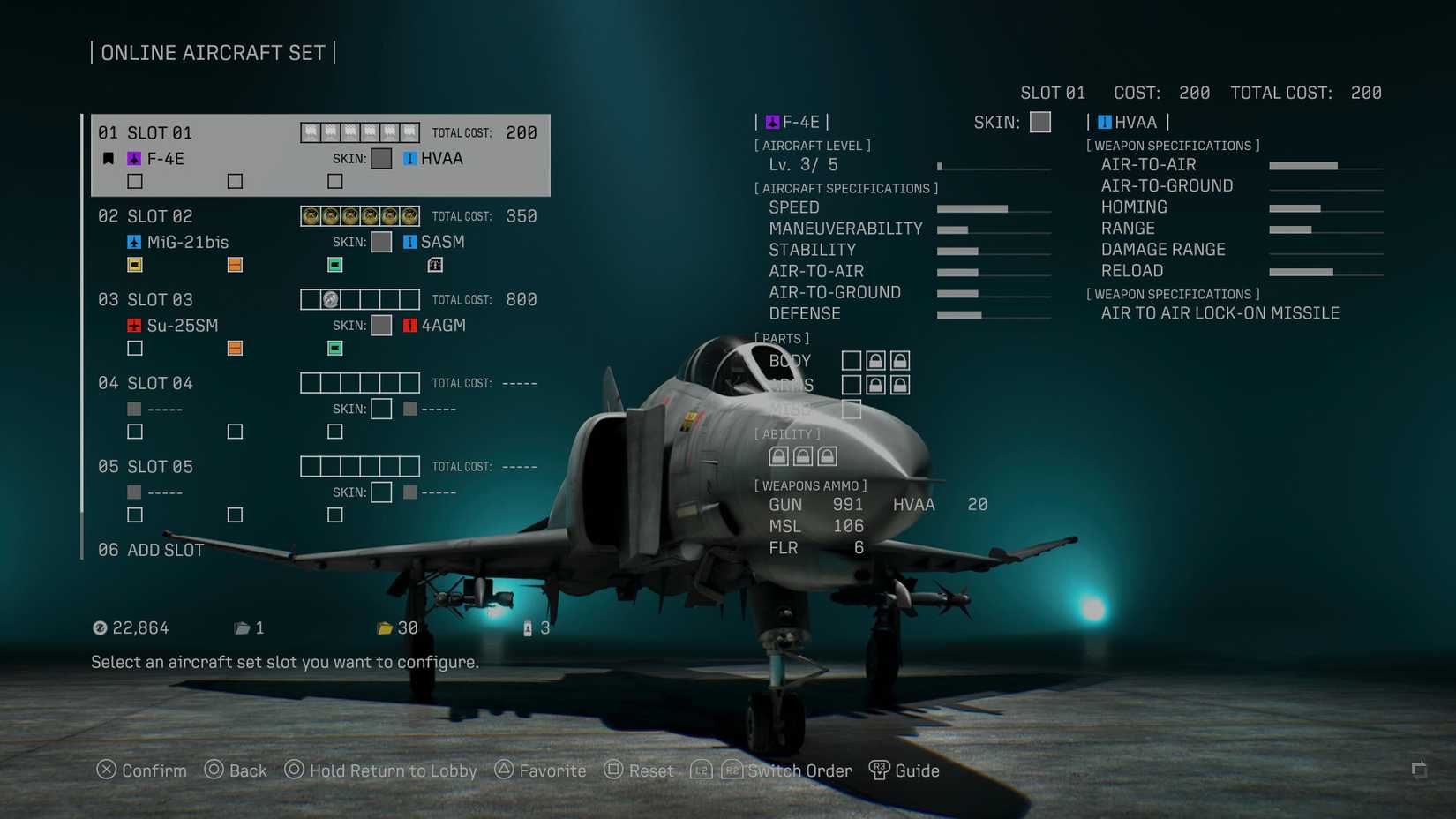
- Menu and Navigation Complexity: Basic tasks demand excessive inputs. For instance, modifying a standard aircraft loadout requires navigating through at least four separate sub-menus ("Hangar" $rightarrow$ "Online Aircraft Set" $rightarrow$ Loadout Selection $rightarrow$ Customization Category), forcing developers to implement a shortcut button just to escape the nested user interface.
- The "Ace Pass" Structure:
- Features a 100-tier progression system divided into a free track and a paid premium track.
- Seasons run on an approximate two-month cycle.
- Unlocking the standard Premium Pass requires 1,000 Ace Coins (valued at roughly $10).
- A higher-tier "Premium Pass Plus" costs 2,500 Ace Coins, unlocking accelerated progression and exclusive perks.
- Currency Traps: To purchase the 2,500 Ace Coin pass, players cannot buy an exact currency pack. Instead, they are forced to choose between a $20 bundle yielding 2,300 coins (falling short) or a $30 bundle yielding 3,500 coins—a classic dark pattern in game monetization designed to force over-spending.
- Alternative Comparisons: In a year where competing premium arcade titles like Nintendo’s Star Fox have launched entirely devoid of live-service monetization—albeit at the cost of sparse, anemic multiplayer updates—Ace Combat 8 leans hard into the opposite extreme, mimicking the financial blueprints of zero-barrier titles like Fortnite.
Official Responses and Developer Stance
Thus far, Bandai Namco Aces and publisher Bandai Namco Entertainment have remained largely tight-lipped regarding specific structural changes to the game’s economy, though minor stability patches have rolled out to address server connectivity during peak hours.

Internally, studio representatives have positioned Ace Combat Online as a long-term platform designed to evolve alongside its community. By utilizing a seasonal live-service framework, the development team intends to inject fresh maps, rotating playlists, and balancing updates over the coming years—features that traditional, self-contained multiplayer suites of past generations could rarely support without fragmented DLC map packs.
However, the studio has yet to officially address community grievances concerning the deliberate pricing discrepancy of Ace Coin bundles or the lack of earnable high-tier cosmetic rewards within the standard gameplay loop. Industry analysts note that while Bandai Namco is likely monitoring player engagement metrics and season pass adoption rates closely, any substantive overhaul to the in-game store or UI architecture will depend heavily on whether early player retention holds steady or suffers due to monetization fatigue.
Implications: What Ace Combat 8 Signals for the Future of Premium Multiplayer
The friction surrounding Ace Combat 8: Wings of Theve touches upon a broader, existential crisis within modern video game development: the death of the middle ground for multiplayer video games.
The Financial Realities of Modern Development
Developing high-fidelity, AAA-adjacent gaming experiences in the current economic landscape requires staggering capital. Publishers are increasingly unwilling to fund dedicated, feature-rich multiplayer modes unless those modes possess a continuous revenue stream capable of self-funding ongoing server costs and post-launch content pipelines.
The "Theme Park Admission" Problem
When a consumer pays $70 upfront, psychological expectations are set. The historical social contract dictated that a full-price purchase granted access to a complete, self-contained product. By layering battle passes, premium coin currencies, and paywalled skins on top of a full-price purchase, publishers risk alienating their core audience. As critics have eloquently noted, it feels akin to paying top-dollar for admission to an amusement park, only to find that every individual ride requires an extra-cost ticket.
The Dichotomy of Modern Options
Gamers are currently trapped between two flawed extremes:
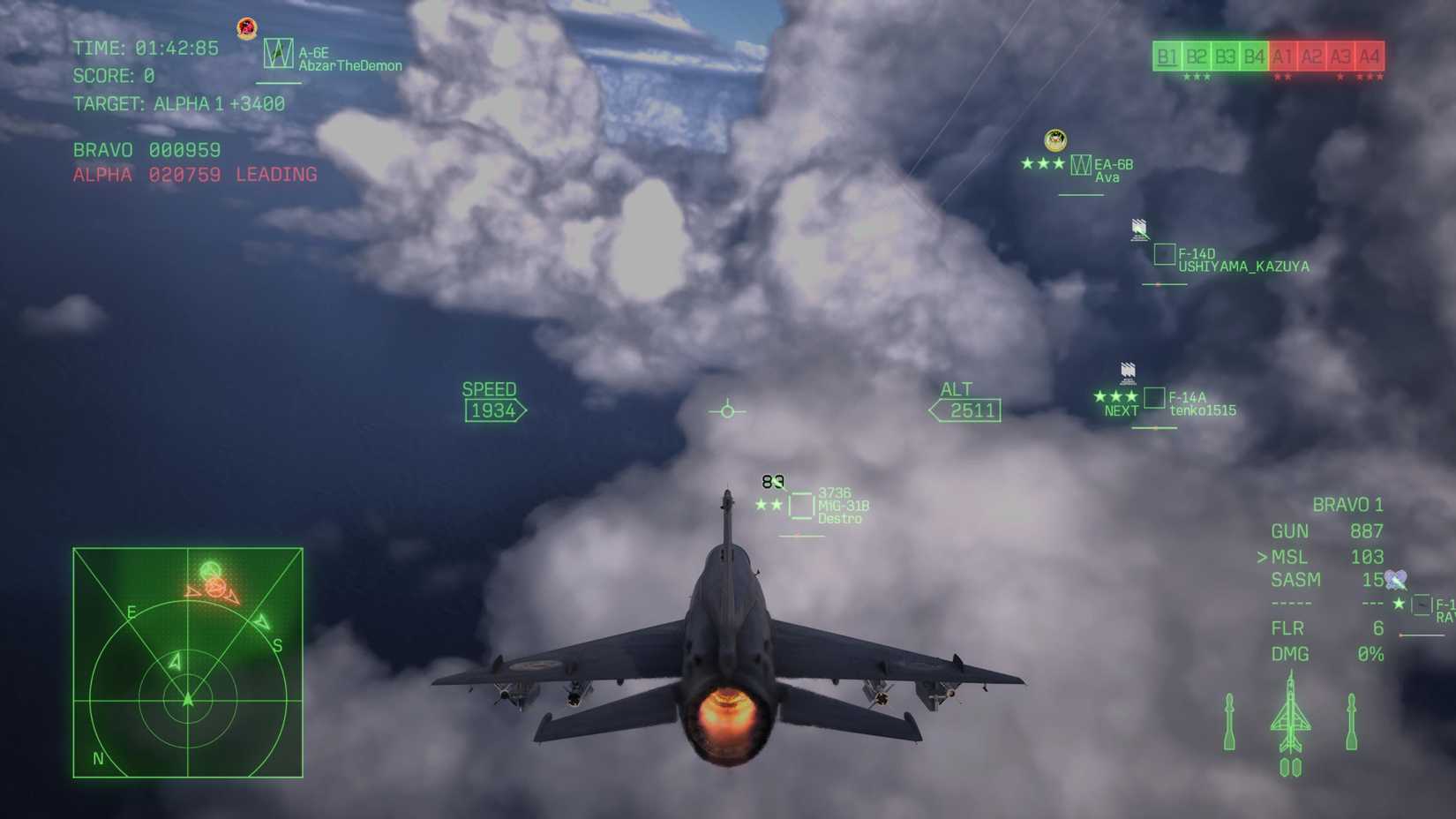
- The Live-Service Trap: Robust, highly populated multiplayer suites that treat the player like a walking wallet, demanding constant monetary micro-transactions and time investments via daily challenges and seasonal FOMO (Fear Of Missing Out).
- The Anemic Classic: Traditional, non-monetized multiplayer additions that frequently feel half-baked, abandoned by developers shortly after launch, and devoid of active player pools—such as recent barebones efforts seen in franchises like Star Fox.
The Path Forward
Ace Combat 8 proves that developers still possess the creative talent to build breathtaking, joyous cooperative and competitive aerial warfare. The core gameplay loop—soaring through gorgeous skies to a phenomenal orchestral score while coordinating tactical strikes with a squad—is undeniably world-class.
Yet, the experience serves as a cautionary tale. If major publishers continue to squeeze paying customers with aggressive microtransactions inside fully priced games, they risk turning beloved sanctuaries of play into exhausting corporate storefronts. For Ace Combat Online to cement its legacy as a generational multiplayer classic, Bandai Namco must streamline its suffocating user interfaces and respect the initial financial commitment made by its fans. Until then, players will gladly take to the skies, but they will do so with a weary eye on the hangar door’s cash register.
 Neng Nana
 Azzam Bilal Chamdy
