

By Health & Wellness Desk
Main Facts: The Fiber Paradox and the Rise of "Fibermaxxing"
In the era of social media-driven wellness trends, the latest movement captivating health enthusiasts is "fibermaxxing." Promoted widely across platforms like TikTok, this trend encourages people to prioritize a chronically neglected nutrient: dietary fiber. From stabilizing blood sugar and lowering "bad" LDL cholesterol to keeping you full and supporting a robust gut microbiome, the benefits of fiber are vast. Experts consistently rank ignoring fiber among the top nutrition mistakes people make.
However, diving headfirst into a high-fiber diet introduces a notorious hurdle: severe gastrointestinal (GI) distress. Because fiber resists easy breakdown by the human digestive system, it must be handed off to bacteria in the colon for fermentation—which is precisely how it exerts its beneficial effects. Unfortunately, piling on too much fiber too fast results in a barrage of painful, awkward, and inconvenient symptoms, including bloating, excessive gas, and sharp stomach cramps.
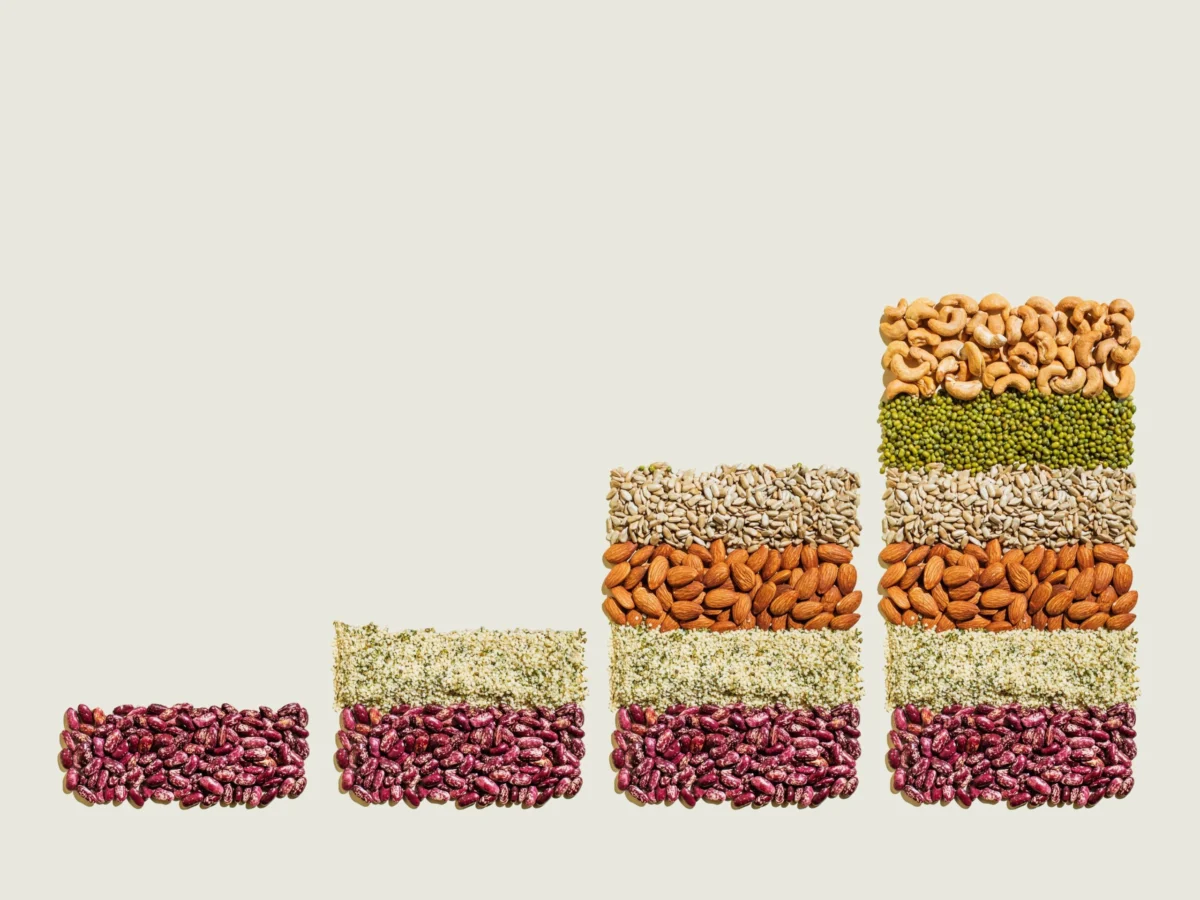
Rather than abandoning the pursuit of a higher-fiber diet, gut health specialists and registered dietitians recommend a systematic approach known as "fiber training." Analogous to progressive overload in weightlifting or endurance training for a marathon, fiber training involves slow, calculated increments to build gastrointestinal tolerance while minimizing side effects.
Chronology: Understanding the Digestive Transition
To appreciate why fiber training is necessary, it helps to understand how the human digestive tract reacts to sudden dietary shifts over a timeline of days and weeks.
Day 1–7: The Shock to the System
When an individual who typically consumes a low-fiber, highly processed diet suddenly surges to 30 or 40 grams of fiber in a single day, the colon becomes overwhelmed. Without an established population of diverse gut bacteria adapted to processing large volumes of complex carbohydrates, the digestive system stalls. Fermentation ramps up too quickly, producing excess gas, water retention, and painful abdominal distension. For individuals already dealing with constipation, this sudden influx acts like a traffic jam—forcing a four-lane highway of waste into a single, blocked exit.
Week 1–2: Implementing Incremental Adjustments
Under a fiber training protocol, the timeline shifts entirely. Instead of a drastic overhaul, the dieter introduces a modest, highly specific amount of fiber—typically 3 to 5 grams extra per day—using a single food source (such as an apple, half a cup of chickpeas, or a tablespoon of chia seeds). This exact dose is maintained consistently for five to seven days.
Week 3 and Beyond: Scaling Up to Long-Term Goals
Once the digestive system adapts to the initial increase without triggering bloating or cramps, the individual introduces another 3-to-5-gram increment. By repeating this cycle over several weeks, the body gradually builds "colonic fitness," scaling up safely until reaching recommended daily intake levels without the dreaded awkward adjustment phase.
Supporting Data: Recommended Intakes and Practical Portions
Navigating fiber goals requires understanding official nutritional guidelines. According to the federal Dietary Guidelines for Americans (2020–2025), recommended daily fiber targets vary by age and biological sex:
- Ages 19–30: Women should aim for 28 grams daily.
- Ages 31–50: Women should aim for 25 grams daily.
- Ages 51 and older: Women should aim for 22 grams daily.
(Note: Men generally require higher targets, typically starting around 30 to 38 grams daily depending on age).
To put fiber training into practice, consumers must recognize the fiber content of everyday foods:
- 1 Medium Apple: ~4 grams of fiber
- ½ Cup Chickpeas: ~5 grams of fiber
- 1 Tablespoon Chia Seeds: ~5 grams of fiber
- 2 Tablespoons Ground Flaxseed: ~4 grams of fiber
- 2 Kiwis: ~4 grams of fiber
For a 35-year-old woman starting from a low-fiber baseline and aiming for the recommended 25 grams, achieving this goal safely takes roughly five to eight step-by-step increments, spread comfortably over a period of weeks rather than days.
Official Responses and Expert Insights
Leading medical and nutritional professionals emphasize that while GI discomfort is common, it should serve as a signal to slow down rather than quit entirely.
"Even with fiber becoming a growing trend, people still greatly underestimate its importance and, also, just how many ways it benefits the human body."
— Desiree Nielsen, RD, Plant-Based Nutritionist and Recipe Developer
Nielsen stresses that jumping straight into high-fiber eating when constipated can easily backfire. "When you add a ton of fiber to an already backed-up system, it’s kind of like a bottleneck on the highway," she explains. "If you try to shoehorn four lanes into one, you’re going to end up with a jam on your hands."
Gastroenterologists echo these sentiments from clinical practice. Dr. Lisa Ganjhu, a gastroenterologist at NYU Langone Health, frequently treats patients dealing with sudden digestive fallout from dietary changes.
"I have a lot of patients that will say, ‘I ate more fiber, and now I’m really bloated and crampy.’ If you’re someone who doesn’t eat a lot of fiber and all of a sudden you start eating 30 grams of it, the colon is just not going to know how to manage that efficiently."
— Dr. Lisa Ganjhu, DO, NYU Langone Health
To bypass these issues, Dr. Ganjhu compares the process to building physical strength: "You start off with 10 pounds. When that becomes easy, you go to 20, then you go to 30—and so on. You have to follow your symptoms and go slow."
Implications: Tailoring Fiber Training for Special Situations
Successfully adopting a high-fiber lifestyle requires personalized strategies, particularly for individuals managing sensitive stomachs or chronic constipation.
Choosing Low-FODMAP Options for Sensitive Systems
For those who experience severe gas and bloating easily, experts recommend beginning the fiber-training process with low-FODMAP foods (fermentable oligosaccharides, disaccharides, monosaccharides, and polyols). High-FODMAP foods can ferment too rapidly in sensitive guts, causing distress.
Kiwis serve as an exceptional starting point. Not only are they low in troublesome FODMAPs and packed with roughly 4 grams of fiber per two-fruit serving, but they have also been specifically studied and clinically proven as an effective dietary treatment for constipation. Alternatively, gentle, soluble fiber supplements derived from psyllium husk (such as Metamucil) offer many of the same physiological benefits while being notably less irritating to a troubled digestive tract.
The Crucial Role of Hydration
Fiber acts like a sponge, absorbing water to bulk up and soften stool for smooth passage. However, increasing fiber intake without simultaneously increasing fluid intake can cause the exact opposite of the desired effect, leaving bowel movements hard, dry, and difficult to pass. While the ubiquitous advice to drink exactly "eight glasses of water a day" is technically a myth, maintaining robust, consistent hydration is an absolute non-negotiable component of any successful fiber-training program.
Building Long-Term Health Resilience
By taking a deliberate, step-by-step approach to nutrition, individuals can permanently upgrade their digestive capacity. Fiber training transforms what is often an uncomfortable, gassy trial-and-error process into a sustainable lifestyle habit. Ultimately, raising your "colonic fitness" unlocks fiber’s extensive long-term health benefits—protecting cardiovascular health, balancing blood sugar, and fostering a thriving gut microbiome—without forcing you to endure weeks of painful stomach cramps along the way.
 Dwi Wanna
 Asep Darmawan
 Iffa Jayyana
