

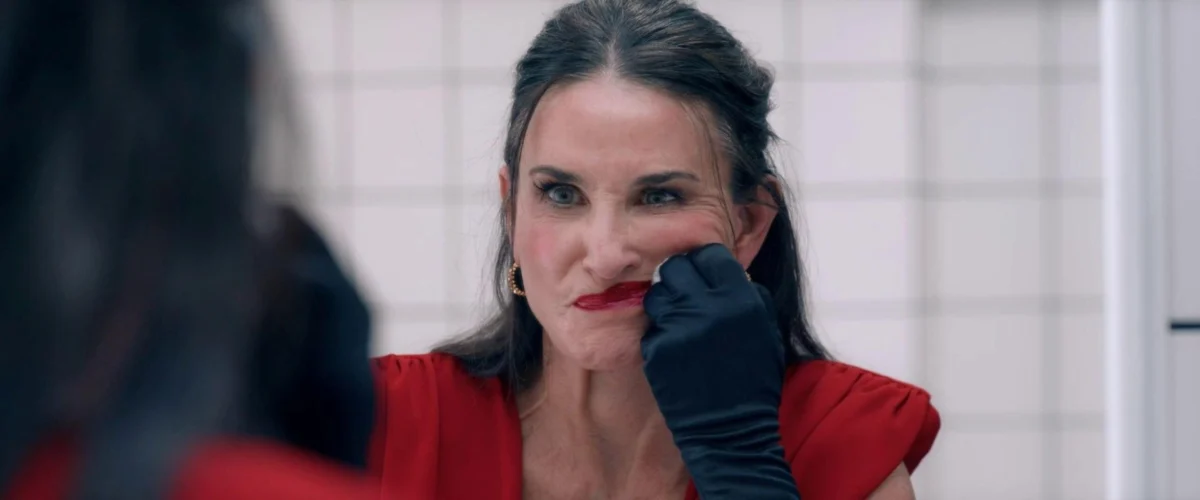
As the autumn air turns crisp, the days shorten, and the leaves begin to blanket the ground, a familiar cultural ritual takes hold across the globe. October has officially arrived, bringing with it the much-anticipated "spooky season." For film enthusiasts and casual viewers alike, this time of year marks an annual migration toward the couch, accompanied by a bowl of popcorn and a deep dive into the cinematic dark arts.
Major streaming platforms have answered the call, aggressively bolstering their libraries with terrifying titles designed to deliver everything from nostalgic comfort to absolute psychological dread. Whether you are looking for classic masterpieces that defined the genre or brand-new nightmares that push the boundaries of modern horror, this month’s curated streaming lineups offer something for every palette.

Spanning zombies, slashers, body horror, supernatural thrillers, and even deeply twisted romantic dramas, October’s streaming landscape is rich with cinematic terror. To help you navigate the endless rows of recommendations, we have compiled an exhaustive guide to the absolute essential horror films available to stream right now.
Main Facts: The Anatomy of October’s Streaming Horror Wave
The transition into October triggers a massive spike in viewership for horror and thriller content across all major video-on-demand services. Rather than relying solely on generic B-movies, streaming curators have assembled sophisticated rosters this year that bridge decades of filmmaking history.

Key highlights of the current streaming landscape include:
- The Fusion of Subgenres: Modern streaming catalogs are deliberately blurring the lines between traditional horror, dark romance, and crime thrillers.
- The Return of Cinematic Icons: Timeless slasher and supernatural milestones—such as Psycho, A Nightmare on Elm Street, and Scream—are readily available for marathon viewing.
- Contemporary Chills: Highly praised recent releases and fresh genre entries provide cutting-edge scares for audiences seeking something entirely unpredictable.
- Accessibility: Platforms are leaning heavily into franchises, allowing viewers to stream entire multi-film series in single, uninterrupted sittings.
Chronology of Terror: A Historical Look at the Featured Films
To truly appreciate the evolution of the horror genre, it is helpful to view October’s streaming offerings through a chronological lens. The selected titles trace a fascinating timeline of how filmmakers have tried to frighten audiences over the last six decades.
1. The Golden Age of Suspense and Slasher Foundations (1960–1984)
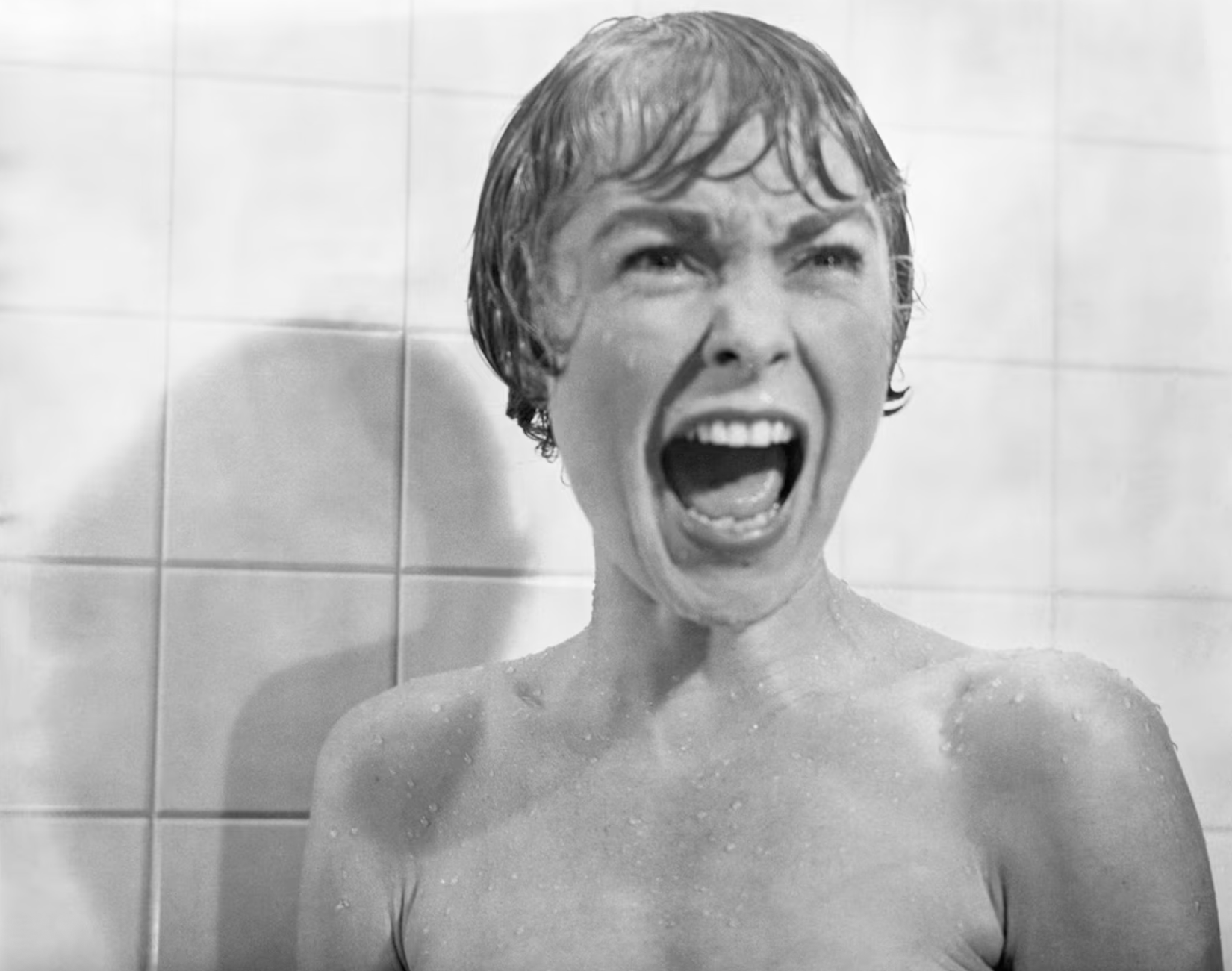
- Psycho (1960): Directed by the undisputed "Master of Suspense," Alfred Hitchcock, this film laid the vital groundwork for the modern slasher genre. Focusing on embezzling secretary Marion Crane (Janet Leigh) as she seeks refuge at the eerie Bates Motel, it introduced audiences to Norman Bates and featured the most famous, highly analyzed shower scene in cinematic history.
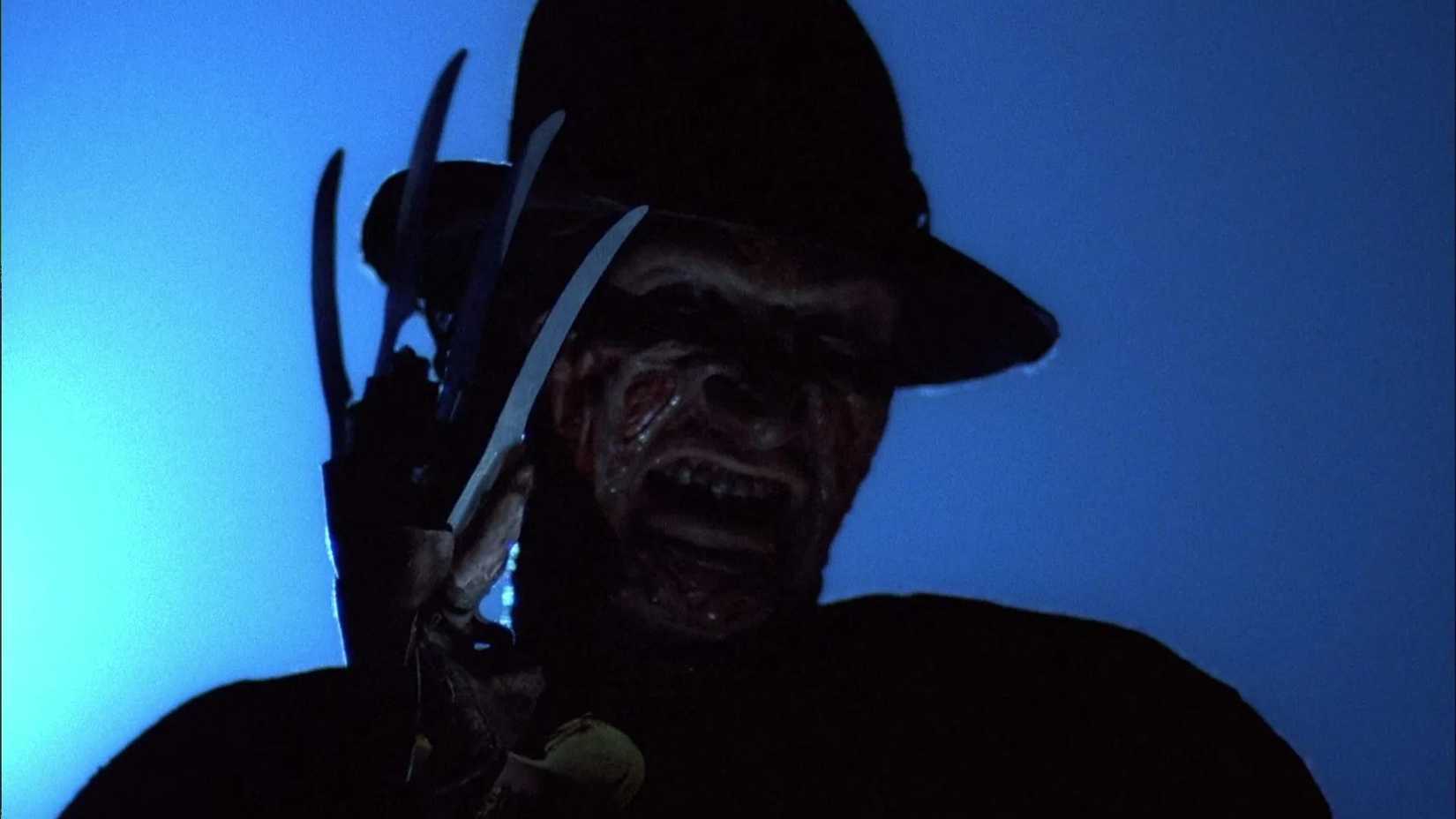
- A Nightmare on Elm Street (1984): Helmed by Wes Craven, this supernatural masterpiece fundamentally altered how audiences viewed sleep itself. By introducing the burned, blade-gloved dream-stalker Freddy Krueger (Robert Englund), the film terrified a generation and established a legendary multi-film franchise.
2. The Grindhouse and Meta-Slasher Renaissance (1996–1999)
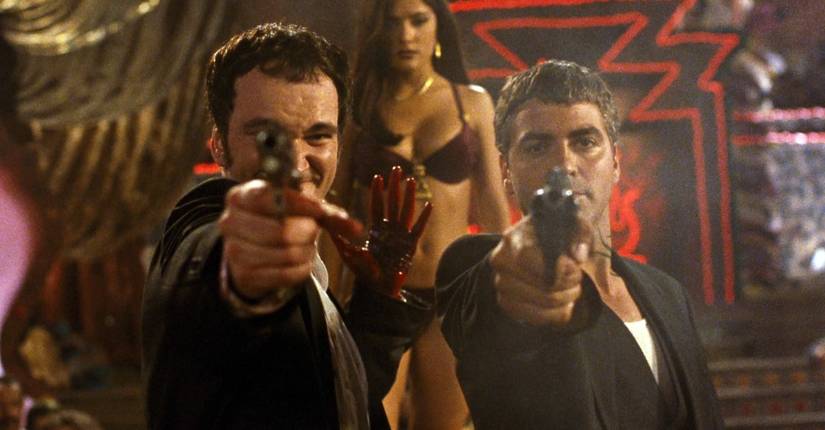
- From Dusk Till Dawn (1996): Written by Quentin Tarantino and directed by Robert Rodriguez, this cult classic pulls off a daring genre switch. It begins as a gritty, high-stakes crime drama about bank-robbing brothers Seth (George Clooney) and Richie Gecko (Tarantino) fleeing across the Mexican border, only to morph mid-film into an unhinged, blood-soaked vampire-slaying extravaganza.
- Scream (1996): Proving that lightning could strike twice for director Wes Craven, Scream (written by Kevin Williamson) revolutionized the slasher genre by openly acknowledging the "rules" of horror movies. High school students forced to survive a masked killer must rely on their knowledge of horror trivia, blending sharp meta-commentary with genuine terror.
- The Sixth Sense (1999): M. Night Shyamalan stunned global audiences with this atmospheric supernatural thriller. Starring Bruce Willis as a child psychiatrist trying to redeem his past by helping Cole Sear (Haley Joel Osment)—a young boy who communicates with the dead—the film cemented Shyamalan’s reputation for jaw-dropping twist endings.
3. Modern Cult Classics and Genre Benders (2014–2022)
- It Follows (2014): Operating on a modest budget, director David Robert Mitchell crafted a modern indie masterpiece. Following college student Jay Height (Maika Monroe) after a seemingly innocent sexual encounter, the film introduces an inescapable, slow-moving supernatural entity that relentlessly stalks its victim until passed on to someone else.
- Doctor Sleep (2019): Serving as a direct adaptation of Stephen King’s novel and a narrative sequel to Stanley Kubrick’s The Shining, this film follows an adult Danny Torrance (Ewan McGregor) as he battles his inner demons. Danny must use his psychic "Shining" abilities to protect a young girl from a malevolent, cult-like group of psychic vampires.
- Freaks (2019): A genre-bending sci-fi thriller that leans heavily into psychological horror, focusing on 7-year-old Chloe (Lexy Kolker). Confined to a dilapidated suburban home by her overprotective father (Emile Hirsch) under the guise of an external threat, the film slowly unravels a deeply unsettling reality.
- Bones and All (2022): Directed by Luca Guadagnino, this film infuses young love with visceral, shocking gore. Following Maren (Taylor Russell) and Lee (Timothée Chalamet)—two young "eaters" navigating a cross-country road trip—the film explores isolation, societal alienation, and the desperate search for belonging through a uniquely horrifying lens.
4. Brand-New Nightmares (2026)
- Hokum (2026): Bringing contemporary dread to the streaming screen, this recent release follows American author Ohm Bauman (Adam Scott) as he travels to a remote Irish hotel to scatter his parents’ ashes. Trapped in a honeymoon suite rumored to be haunted by a witch, Bauman must confront eerie locals, hidden pasts, and deeply buried secrets.
Supporting Data: The Cultural Economics of Spooky Season
The heavy investment streaming platforms make in horror content every October is not accidental; it is driven by hard consumer data and shifting entertainment metrics:
- Viewership Spikes: Industry analytics consistently show that horror consumption increases by upwards of 40% to 60% during the month of October compared to the rest of the year.
- High ROI (Return on Investment): Horror remains one of the most profitable genres in filmmaking. Iconic low-budget hits like It Follows and independent psychological thrillers frequently outperform blockbuster budgets relative to their production costs, making them highly desirable acquisitions for streaming libraries.
- Franchise Longevity: Data indicates that viewers are far more likely to binge an entire franchise (such as the Scream or A Nightmare on Elm Street series) during the autumn months than they are to watch isolated dramatic features, prompting streamers to license complete collections.
Official Industry Responses and Curation Philosophy
Streaming curators and film critics alike have long praised horror for its unique ability to foster communal viewing experiences, even in the digital age.
When discussing the strategic curation of October lineups, platform programmers emphasize that horror functions as a safe space for processing societal anxieties. "Horror lets audiences safely confront fear, grief, and existential dread from the comfort of their living rooms," notes industry programming insight. "When the temperature drops, viewers aren’t just looking to jump; they are looking for art that reflects the complex shadows of the human psyche."
Critics have also praised the inclusion of diverse subgenres—ranging from the high-art body horror and arthouse romance of Bones and All to the pop-culture deconstruction of Scream—noting that modern audiences demand a sophisticated spectrum of scares rather than uniform jump-scares.
Implications: What October’s Lineup Tells Us About Modern Audiences
The eclectic mix of streaming horror available this season carries broader implications for the entertainment industry:
- The Death of Genre Purity: Contemporary audiences no longer want neatly categorized boxes. Films like Bones and All and From Dusk Till Dawn prove that horror thrives when it intersects with romance, comedy, crime, and social commentary.
- Nostalgia as a Currency: The heavy representation of 1980s and 1990s touchstones (Psycho, Scream, A Nightmare on Elm Street) demonstrates the enduring commercial power of nostalgia. Studios recognize that parents who grew up on these films are now introducing them to a new generation of viewers via streaming services.
- The Rise of Psychological Depth: Modern horror has largely evolved past mindless violence, favoring deep character studies (such as Doctor Sleep and The Sixth Sense) that prioritize grief, trauma, and psychological endurance over cheap thrills.
As October unfolds, viewers have an unprecedented library of terror at their fingertips. Whether you choose to revisit the shadowy corridors of the Bates Motel, decode the dream-logic of Freddy Krueger, or brave the contemporary horrors of Hokum, this season promises plenty of sleepless nights ahead.
 Lina Irawan
 Nana Wu
 Muslim
