

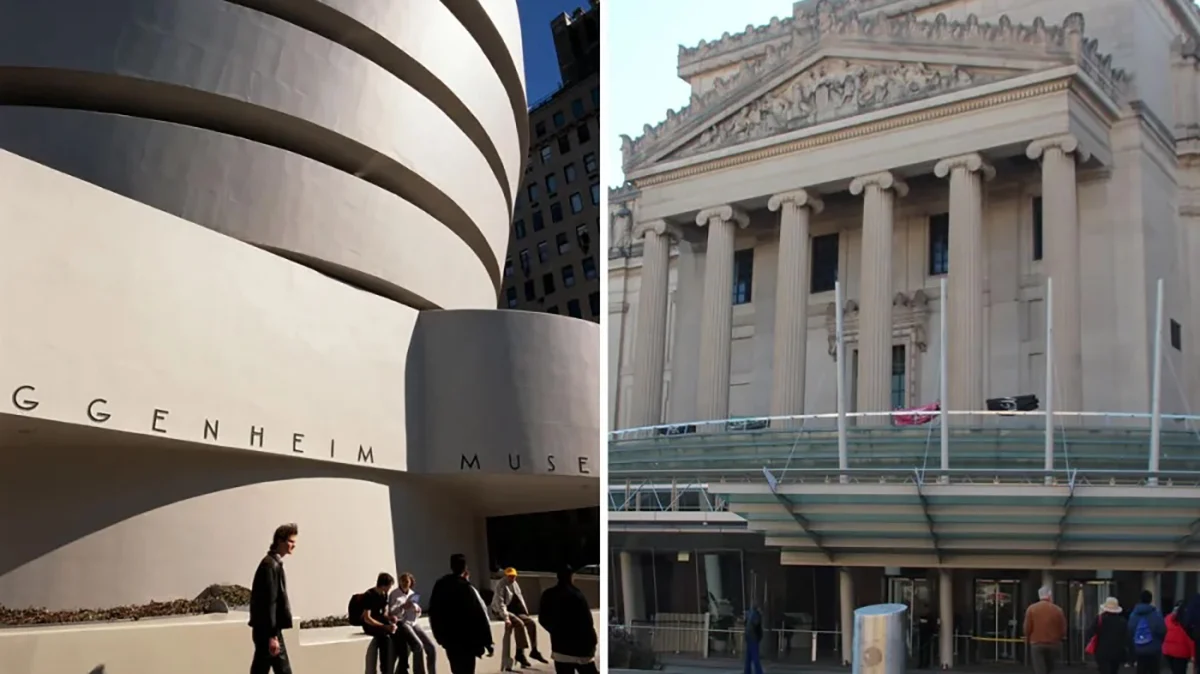
NEW YORK — Following months of high-stakes negotiations, turbulent protests, and looming strike threats, unionized staff at four of New York City’s most prominent cultural institutions have successfully ratified new labor agreements. According to announcements made by UAW Local 2110, the historic wave of settlements spans the Brooklyn Museum, the Solomon R. Guggenheim Museum, the Jewish Museum, and the American Folk Art Museum (AFAM).
The agreements represent a watershed moment for the city’s museum sector, which has faced mounting financial pressures, post-pandemic operational shifts, and intense labor activism over the last several years. While these four institutions have successfully cleared their collective bargaining hurdles, the broader labor landscape across New York’s art world remains dynamic, with ongoing negotiations and impending deadlines at other landmark museums.
Main Facts: What the New Contracts Entail
The newly ratified contracts deliver substantial victories for hundreds of cultural workers, addressing core demands regarding wage increases, baseline salary floors, healthcare protections, and job security provisions.
The Brooklyn Museum
Under its second collective bargaining agreement, the Brooklyn Museum has guaranteed annual wage increases alongside elevated minimum salaries for full-time personnel. Depending on the specific position level, full-time minimums now range from $63,585 to $129,854. These financial adjustments are retroactive to July 1, with baseline minimums scheduled to rise by an additional 10.34 percent over the course of the contract. Furthermore, front-facing visitor services and retail associates are slated to see their hourly wages scale between $28.69 and $32 per hour by the agreement’s conclusion.
The American Folk Art Museum (AFAM)
Following nearly two years of rigorous and often contentious bargaining, AFAM staff voted to ratify their inaugural union contract. The agreement secures total wage increases of 13.6 percent across four years for all staff members. Entry-level employees, including museum store personnel, security staff, and facilities associates, have secured immediate raises ranging from 8 to 22 percent, retroactive to July 1.
Crucially, the AFAM contract establishes a binding grievance mechanism, introduces differential pay for emergency on-site work or auxiliary duties, and curtails the museum’s reliance on temporary workers and subcontractors in place of permanent staff. It also secures healthcare coverage that requires zero employee premium contributions.
The Guggenheim and Jewish Museums
The Guggenheim Museum union—representing approximately 150 curators, conservators, educators, and public programmers who originally organized in 2021—ratified its latest agreement following a rapid and intense negotiation cycle. The Jewish Museum union similarly finalized its second contract in September, cementing continued healthcare and economic protections for its workforce.
Chronology of a Labor Movement: From Tension to Resolution
The road to these ratified contracts was paved with months of public demonstrations, fierce rhetoric, and close brushes with crippling labor strikes. The timeline of discontent traces back to systemic economic strains within New York’s nonprofit cultural sector.
- 2021: A wave of organizing sweeps New York’s art institutions. Workers at both the Guggenheim Museum and the Whitney Museum vote to unionize following rounds of pandemic-era layoffs that drastically reduced institutional headcounts.
- Early 2025: Financial vulnerabilities hit the Brooklyn Museum and the Guggenheim. In early 2025, Brooklyn Museum leadership stuns staff by announcing plans to slash over 10 percent of its workforce to offset a staggering $10 million operating deficit. The move—made without prior consultation with DC 37 Local 1502 or UAW Local 2110—sparks widespread outrage.
- Spring 2025: Protests erupt on museum steps. Brooklyn Museum workers rally for weeks, eventually capturing the attention of the New York City Council, which steps in with a vital $2.5 million grant that renders the proposed layoffs obsolete. Meanwhile, at the Guggenheim, Director and CEO Mariët Westermann announces 20 layoffs (representing 7 percent of the workforce) in February, citing a deteriorating decade-long financial picture. In March, Guggenheim union members picket the high-profile opening reception of a Carol Bove survey to protest leadership’s resistance to stronger layoff protections.
- Summer 2025: AFAM employees escalate pressure by picketing the museum’s annual fundraising gala. Stalled negotiations and an initial management offer—which sought to raise front-facing wages from $19 to $21.50 an hour while stripping away existing benefits—prompt fierce pushback.
- Late September 2025: The pressure peaks. Unionized staff at the Brooklyn Museum, Whitney Museum, and AFAM hold coordinated strike-authorization votes. Confronted with the prospect of massive operational disruptions, bargaining tables move quickly.
- September – October 2026: The Guggenheim and Jewish Museum unions ratify their agreements in September. Within days, the Brooklyn Museum and AFAM successfully finalize their respective four-year contracts, diffusing immediate strike threats.
Supporting Data: Economic Realities and Cost of Living
At the heart of these negotiations was a stark economic disconnect: while New York City’s cost of living climbed exponentially, museum salaries often remained stagnant, leaving entry-level and mid-tier workers struggling to make ends meet.
Union organizers repeatedly emphasized that the cost of housing, transportation, and daily necessities in Manhattan and Brooklyn made legacy museum wages untenable. The successful inclusion of robust wage floors—such as the Brooklyn Museum’s $63,585 starting floor for full-time staff and AFAM’s double-digit percentage boosts for frontline workers—reflects a growing consensus that cultural institutions must pay livable wages to retain top-tier talent.
Moreover, healthcare emerged as a non-negotiable priority. As medical costs rise nationally, workers fought fiercely to preserve comprehensive coverage. Elizabeth St. George, an assistant curator at the Brooklyn Museum, underscored this sentiment:
"We are pleased to have negotiated a second contract that preserves the quality of our health care and provides significant wage increases. It was important to us to maintain affordable health care, including keeping an out of network option."
Job security provisions also took center stage. Following sudden, disruptive layoffs at institutions like the Guggenheim and the Whitney, unions demanded tighter procedural guardrails, including mandatory advance notice periods for structural downsizings and enhanced severance packages.
Official Responses and Perspectives
Leadership and union representatives alike have offered reflections on the grueling bargaining process and what these agreements mean for the future of their respective institutions.
Reflecting on a quarter-century of service at the American Folk Art Museum, Richard Ho, director of information technologies and a long-standing staff member, highlighted the solidarity that carried the union through its protracted battle:
"AFAM staff voted unanimously to unionize to address pressing concerns about our workplace. I’m happy that we were able to reach an agreement that will make the Museum a more sustainable place to work for all of us. I’m proud that our entire staff stayed involved and supported each other throughout this process."
The transformation from contentious labor disputes to ratified contracts highlights a shifting power dynamic within the museum world. While museum directors and boards have historically operated with unilateral administrative authority over budgets, hiring, and programmatic execution, the formalized presence of robust union bargaining units has permanently altered institutional governance.
Representatives from UAW Local 2110 noted that while management initially resisted many of the unions’ core economic and structural demands, sustained public advocacy—ranging from informational pickets at gala openings to legislative lobbying—proved instrumental in bringing institutions back to the table.
Broader Implications for New York’s Cultural Ecosystem
The successful ratification of these four contracts does not mark the end of labor activity in New York’s arts sector; rather, it signals a rapidly evolving standard that will reverberate across the metropolitan area.
While the Guggenheim, Brooklyn Museum, AFAM, and Jewish Museum have found stability, other institutions remain in the crucible of active negotiation. Notably, the unionized workforce at the Whitney Museum remains at the bargaining table, facing a high-stakes standoff with a looming strike date set for October 5—just three days ahead of member previews for the museum’s highly anticipated Roy Lichtenstein retrospective. The Whitney unit, which organized in 2021 following two successive rounds of layoffs that slashed 20 percent of the workforce, continues to fight for comparable job protections and wage equity.
Furthermore, UAW Local 2110 confirmed that its organizing and negotiating efforts are far from complete. The union is actively engaged in ongoing contract negotiations at several other premier institutions, including:
- The Metropolitan Museum of Art
- The New Museum of Contemporary Art
- The South Street Seaport Museum
- The Noguchi Museum
As these talks unfold, the cascading success of the Guggenheim, Brooklyn Museum, AFAM, and Jewish Museum agreements will undoubtedly serve as a strategic blueprint. For New York’s cultural institutions, the message from the workforce is clear: the future viability of these world-class museums depends not only on the art on their walls, but on the economic security, health, and dignity of the people who keep their doors open.
 Nana
Nana
 Sagoh
Sagoh
 Asro
Asro
