

Published: October 6, 2026
Location: Cupertino, California / Seoul, South Korea
Main Facts
Apple is mounting a massive, coordinated push into the smart home ecosystem, signaling a major strategic pivot for the Cupertino-based tech giant. According to a recent report by Bloomberg, Apple has entered into a strategic co-development partnership with South Korean electronics titan LG. Together, the two conglomerates are building a comprehensive suite of hardware designed to directly challenge market incumbents like Amazon’s Ring and Google’s Nest.
The joint hardware pipeline includes foundational home security and automation products:
- Smart Doorbells
- Smart Door Locks
- Smart Thermostats
- Indoor and Outdoor Security Cameras
- Floodlight Security Systems
Crucially, while these devices are being co-developed through engineering and design cooperation between Apple and LG, the physical products will proudly carry the LG brand. This dual-company approach is designed to leverage LG’s extensive manufacturing and home-appliances supply chain while ensuring seamless, native integration with Apple’s proprietary software ecosystem, HomeKit and the Apple Home app.
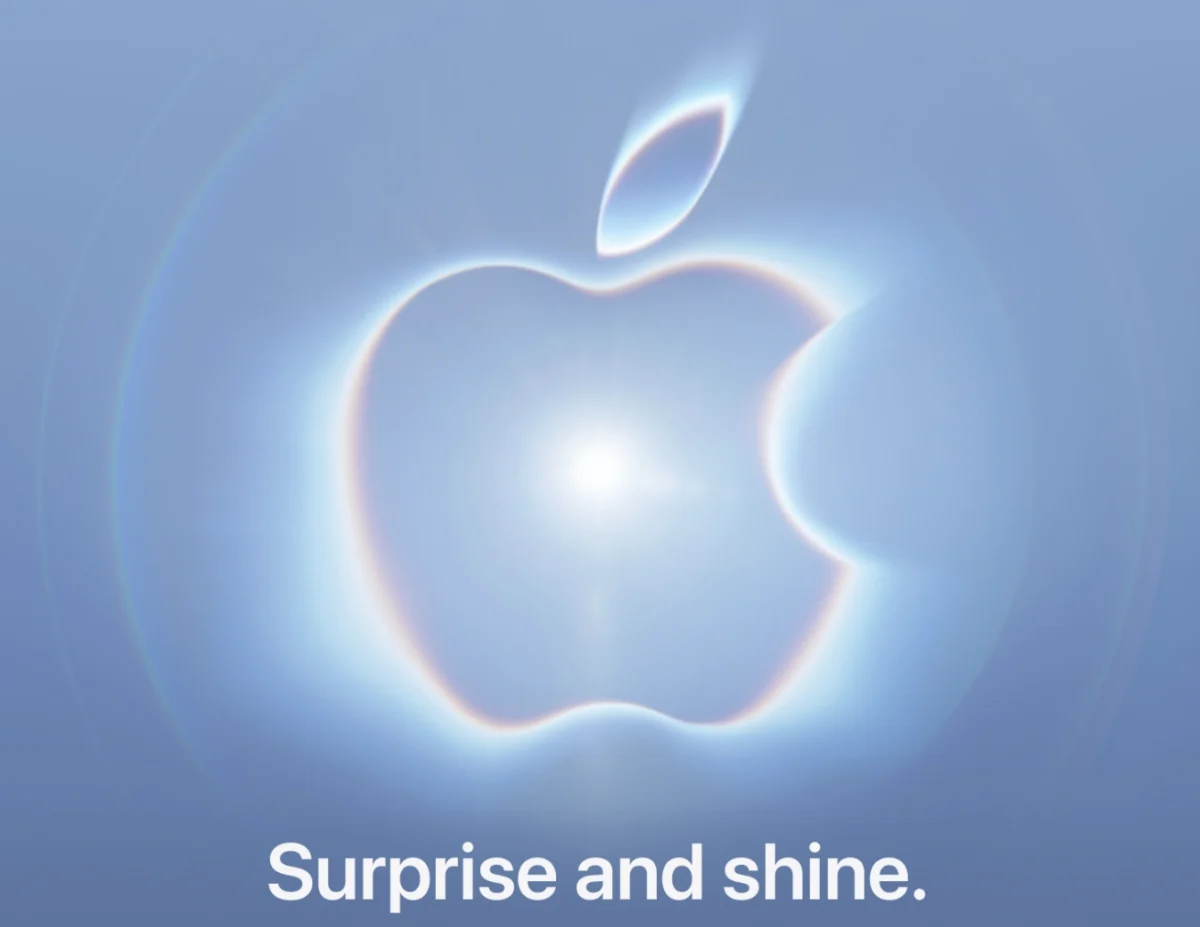
This rollout converges with Apple’s highly anticipated standalone smart home hub—slated for release as early as October 13, 2026. The hub is rumored to feature a 6-inch square display that can operate as a portable tabletop device or be securely mounted onto walls, acting as the ultimate nerve center for the newly expanded accessory ecosystem.
Chronology: The Road to Apple’s Smart Home Realignment
To understand the significance of this October 2026 hardware blitz, it is necessary to trace Apple’s historical footprint in the smart home sector, which has long been criticized as fragmented and overly reliant on third-party accessories.
- June 2014 (WWDC): Apple announces HomeKit, a framework enabling developers to build smart home accessories that can be controlled via iOS devices and Siri. However, adoption is slow due to stringent, expensive hardware-certification processes.
- February 2018: Apple launches the HomePod, attempting to position a high-end audio speaker as a smart home hub. While praised for sound quality, its high price tag limits its reach against Amazon’s Echo and Google’s Home lineups.
- November 2020: The release of the HomePod mini democratizes entry into Apple’s ecosystem, introducing Thread and Matter networking support, laying the technical groundwork for reliable smart home communication.
- Late 2023 – 2025: Rumors persistently swirl regarding Apple’s internal pivot toward dedicated smart displays. Code references in iOS point toward a tabletop robotic arm device and a wall-mounted command screen.
- August – September 2026: Supply chain whispers intensify. Reports confirm that Apple is preparing a hardware blitz, revamping the HomePod mini, Apple TV lines, and a revolutionary 6-inch smart display hub slated for an October unveiling.
- October 6, 2026: Bloomberg drops an exclusive report detailing the secret partnership between Apple and LG to co-develop branded smart locks, doorbells, and thermostats, setting the stage for a showdown with Amazon’s Ring.
Supporting Data and Market Context
Apple’s late-stage entry into the dedicated home security and automation hardware market comes at a time of fierce consumer demand, but also market saturation.
The Smart Home Landscape in 2026
- Amazon Ring Dominance: For over a decade, Amazon has commanded the consumer smart security market through its Ring subsidiary, capturing a dominant share of residential video doorbells and DIY security cameras.
- Google Nest Integration: Google has similarly anchored its ecosystem around the Nest thermostat, smart displays, and indoor/outdoor cameras, tightly integrating them with Google Assistant and Android.
- The Matter Standard: The universal adoption of the Matter smart home protocol over the last three years has made cross-ecosystem device communication easier. However, consumers still struggle with software fragmentation, privacy concerns, and unreliable cloud subscriptions.
Why Apple Needed a Manufacturing Partner
Apple is historically accustomed to designing everything in-house and outsourcing fabrication to tier-one manufacturers like Foxconn. However, appliances and physical home infrastructure (like deadbolts, wired floodlights, and HVAC-connected thermostats) require specialized industrial engineering, local regulatory certifications, and mass-market appliance scaling.

Partnering with LG gives Apple immediate access to:
- LG’s world-class appliance supply chain and logistical networks.
- Decades of consumer trust in LG home electronics.
- A division of labor that allows Apple to focus heavily on the user interface, privacy architecture, and local AI processing via Apple Intelligence.
Official Responses and Industry Reactions
As of the afternoon of October 6, 2026, Apple has declined to officially comment on the Bloomberg report, maintaining its traditional corporate stance of silence regarding unannounced products. Representatives from LG have similarly remained tight-lipped, though industry insiders suggest that formal marketing materials and soft-launch announcements could drop as early as next week alongside the smart home hub.
Wall Street and tech analysts have responded with cautious optimism mixed with fierce curiosity.
- Analyst Perspectives: Financial institutions note that while Apple has enjoyed record-breaking service revenues and steady iPhone sales, its hardware portfolio outside of personal computing and wearables (Mac, iPad, Apple Watch, iPhone) has lacked a major new growth category since the introduction of AirPods. A dedicated smart home ecosystem offers recurring revenue potential and deeper customer lock-in.
- Competitor Anxiety: Amazon and Alphabet (Google) stock dipped fractionally following the news. Industry commentators note that a privacy-focused, Apple-vetted security camera and smart lock lineup could lure affluent, privacy-conscious consumers who have long distrusted the data-harvesting business models of traditional smart home competitors.
Strategic Implications: What This Means for Consumers and the Industry
The partnership between Apple and LG is more than just a joint venture; it is a declaration of war on the status quo of home automation. Several critical implications emerge from this development:
1. Privacy as a Core Differentiator
Unlike competitors whose business models often rely on cloud storage subscriptions, continuous video analysis for ad targeting, or smart-assistant data collection, Apple is expected to lean heavily into local processing. Leveraging Apple Intelligence and secure HomeKit Secure Video standards, video feeds from the LG-built, Apple-integrated cameras will likely process locally on user hardware or through encrypted iCloud storage, shielding consumer data from corporate prying eyes.
2. Streamlining the Consumer Experience
For years, Apple users wishing to secure their homes had to navigate a frustrating patchwork of third-party apps—integrating Ring cameras via unofficial bridges, managing smart locks through independent apps, and using separate hubs for thermostats. By establishing a cohesive hardware ecosystem (rooted in the upcoming October 13 hub and extended through LG’s physical devices), Apple is promising a "just works" philosophy for the entire perimeter of the home.
3. A Redefinition of Brand Partnerships
The decision to brand the hardware with the LG logo—despite deep Apple engineering involvement—is fascinating. It acknowledges that LG carries immense pedigree in home appliances and physical locks/thermostats, while Apple retains ultimate authority over the software experience. If successful, this hybrid branding model could pave the way for similar cross-industry collaborations in the future, redefining how tech giants approach hardware categories outside their core competencies.
Conclusion
As October 13 approaches, the consumer tech world is bracing for what could be Apple’s most significant hardware expansion in years. By uniting its cutting-edge software and privacy frameworks with LG’s manufacturing prowess, Apple is poised to transform the smart home from a fragmented collection of gadgets into a unified, secure sanctuary. Whether consumers will embrace LG-branded, Apple-powered home security devices over entrenched rivals like Amazon’s Ring remains to be seen, but the battle for the modern living room has officially entered a new era.
 Siti Muinah
 Jia Lissa
