

Cyberpunk has never truly been about predicting the future. Instead, it serves as a jagged, neon-lit warning signal about our present trajectory. The genre thrives at the brutal intersection of high technology and low life—where towering, gleaming megacities cast long, oppressive shadows over forgotten, decaying neighborhoods; where rogue artificial intelligences coexist with human desperation; and where governments and megacorporations wield cutting-edge technology as instruments of absolute control. Beneath the slick aesthetic of rain-slicked streets, holographic advertisements, and chrome augmentations lies an enduring, deeply human question: What happens to our identity when the machines we build become powerful enough to rewrite the world around us?
From synthetic bodies and manufactured memories to omnipresent surveillance states and total virtual reality immersion, the greatest cyberpunk stories use speculative technology to dissect class warfare, corporate capitalism, autonomy, and existential philosophy. While the genre has developed an instantly recognizable visual lexicon over the decades, its most resonant ideas have always focused on individuals forced to survive under the weight of technology rather than the technology itself.

Tracing a path from silent-era foundations to the grand philosophical epics of the modern day, the following 10 cinematic milestones represent the absolute pinnacle of cyberpunk tradition.
The Genesis of the Machine: Silent Origins and Early Visions
Metropolis (1927)
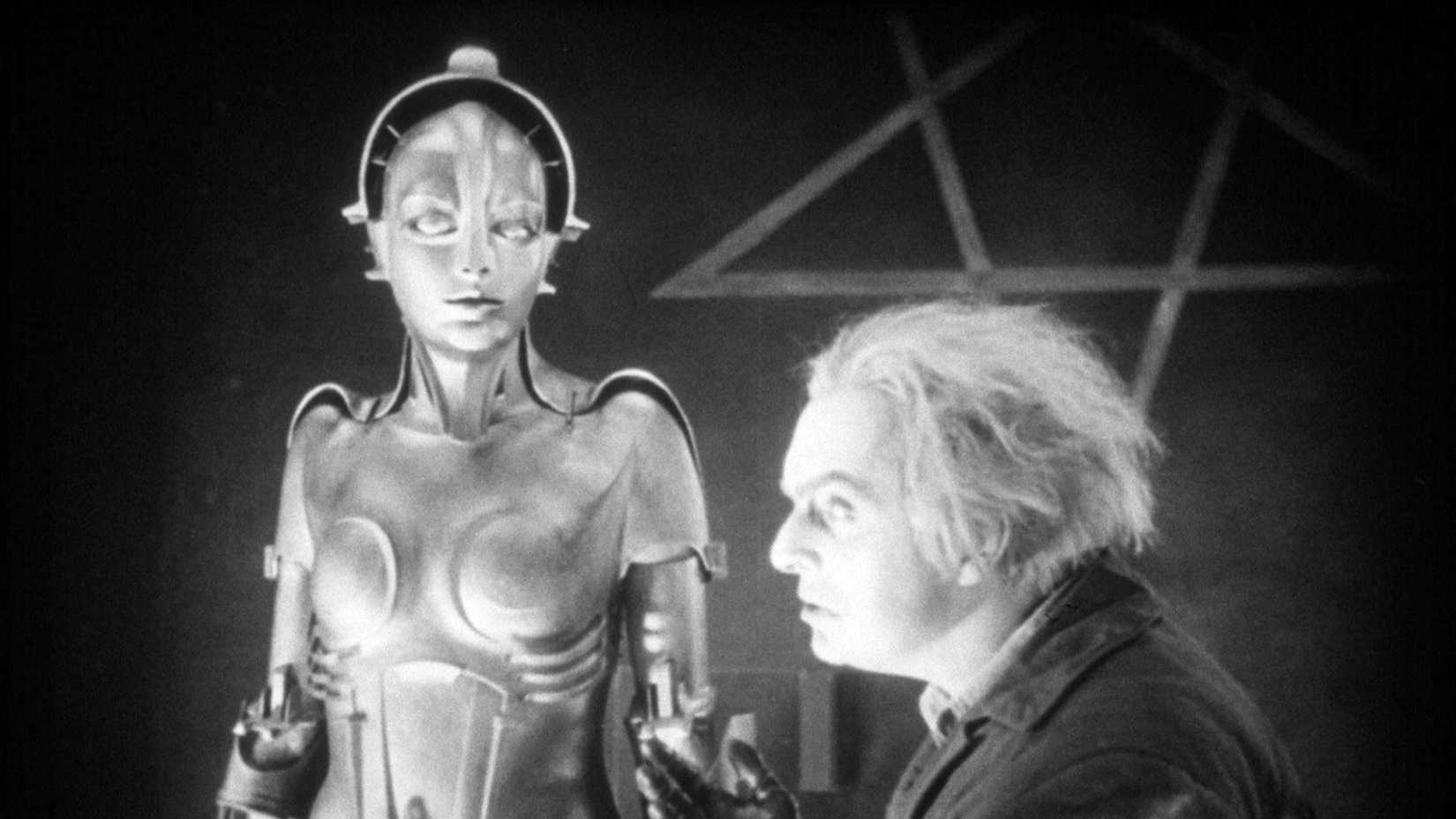
Long before the term "cyberpunk" entered the cultural lexicon, director Fritz Lang imagined a futuristic cityscape that looked like the genre’s ultimate fever dream. In Metropolis, society is starkly divided: the ultra-wealthy live lives of decadent leisure among gleaming skyscrapers, while an exhausted, indentured workforce operates the massive, dehumanizing machinery buried deep beneath the earth. Freder Fredersen (Gustav Fröhlich), the privileged son of the city’s ruler, discovers the horrific human cost of this manufactured utopia after crossing paths with Maria (Brigitte Helm), a worker preaching solidarity to the masses. The narrative spirals into technological paranoia when a mad scientist crafts a metallic double of Maria—the iconic Masamuen or Maschinenmensch—to subvert the workers’ uprising from within.

Metropolis established the genetic code of dystopian cinema. Lang understood that technological progress is meaningless when its benefits are hoarded exclusively by a ruling elite. Its monumental architecture, grotesque fusion of flesh and metal, and exploration of class struggle laid an aesthetic foundation that artists have borrowed from for a century.
Cronenberg and the New Flesh: Body Horror and Media Parasites
Tetsuo: The Iron Man (1989)
There is nothing sleek, corporate, or polished about Shinya Tsukamoto’s 16mm nightmare. Tetsuo: The Iron Man begins in absolute squalor when a "metal fetishist" cuts open his own leg to insert a rusted steel rod, only to be struck by an ordinary salaryman who accidentally inherits the industrial curse. Soon, the meek office worker watches in horror as a razor-sharp wire of metal erupts from his cheek. What follows is a hallucinatory technological seizure, captured through frantic stop-motion animation, as human flesh surrenders to scrap iron. Tsukamoto turns cybernetic integration into a visceral panic attack, proving that a merger between man and machine is not an upgrade, but an agonizing, grotesque mutation.
Videodrome (1983)
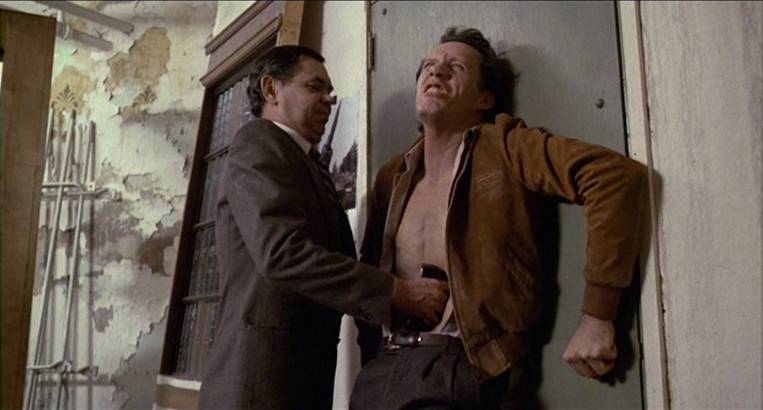
As the sleazy CEO of a bottom-feeding UHF television station, Max Renn (James Woods) seeks out extreme, boundary-pushing content to keep viewers hooked. When he intercepts "Videodrome," a pirate broadcast featuring unsimulated violence, his investigation uncovers a weaponized broadcast signal—a malignant transmission that causes vivid hallucinations and physically rewires the human central nervous system.
With Videodrome, David Cronenberg relocated cyberpunk out of high-tech server rooms and planted it firmly in front of the living room television. Treating electronic media as an invasive parasite, Cronenberg anticipated the modern age of doom-scrolling, algorithmic addiction, and screen saturation. By heralding "the new flesh," he envisioned a future where media and biology become inextricably linked, collapsing the boundary between viewer and screen.

Surveillance, Addiction, and Corporate Ownership
A Scanner Darkly (2006)
In Richard Linklater’s adaptation of Philip K. Dick’s 1977 novel, undercover narcotics agent Bob Arctor (Keanu Reeves) wears a "scramble suit" that constantly cycles through thousands of different faces and voices to protect his identity. Operating in a near-future California ravaged by the mind-altering narcotic Substance D, Arctor is entirely anonymous to his superiors and invisible to his friends. However, as his own brain begins to fracture from drug use and psychological strain, the boundary between investigator, addict, and target dissolves.
Utilizing rotoscoped animation to create an unstable, hallucinatory visual texture, Linklater strips away glowing skyscrapers in favor of an anonymous suburban sprawl. The true adversary here is not a rogue AI or an evil megacorporation, but an omnipresent surveillance state that weaponizes the mundane, forcing an already unstable addict to investigate his own household.

Strange Days (1995)
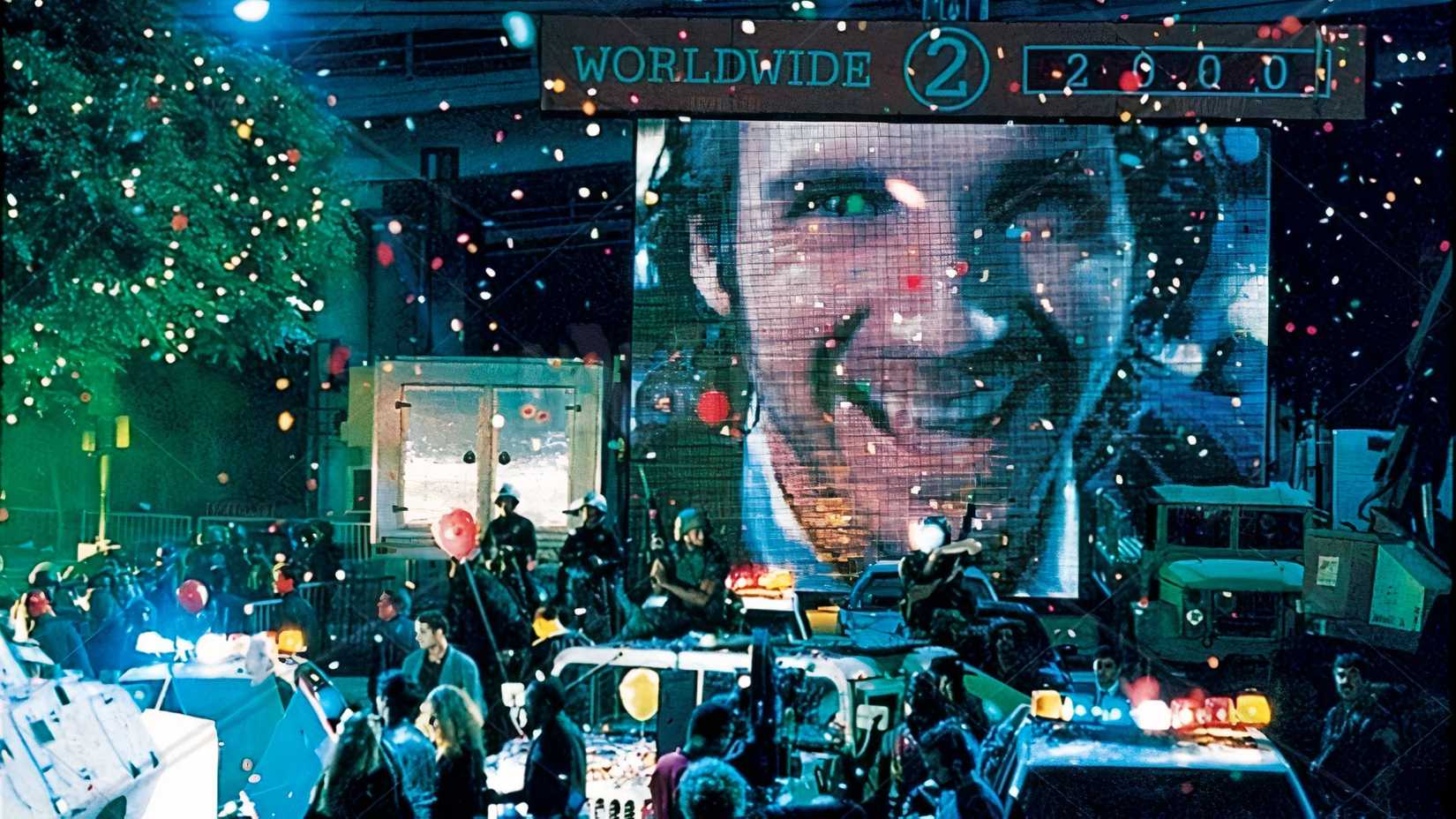
Directed by Kathryn Bigelow, Strange Days explores the illicit trade of SQUID discs in the final days of 1999. Disgraced ex-cop Lenny Nero (Ralph Fiennes) deals in these illegal recordings, which capture a person’s direct physical sensations and memories straight from the cerebral cortex for others to experience—anticipating the "braindance" technology of modern gaming. When Lenny receives a snuff disc featuring the POV murder of an escort, he stumbles into a lethal conspiracy of police corruption and political violence in a volatile Los Angeles. The film exposes how easily human intimacy is commodified, turning personal trauma and street violence into tradable entertainment.
RoboCop (1987)
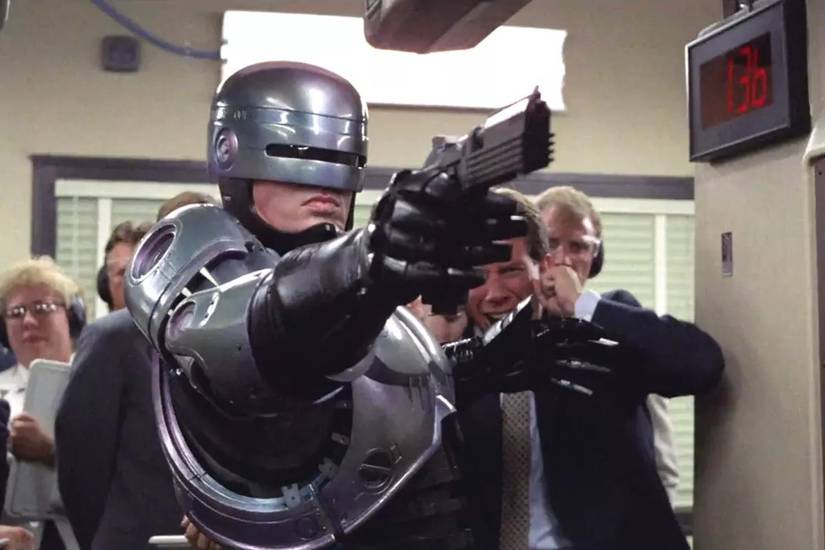
Paul Verhoeven’s RoboCop presents a crumbling, privatized Detroit controlled by the megacorporation Omni Consumer Products (OCP). After officer Alex Murphy (Peter Weller) is brutally executed by a gang led by Clarence Boddicker, OCP resurrects his corpse as an armored cyborg enforcer. Yet, Murphy’s human memories stubbornly break through his corporate programming. Blending ultra-violence with biting satirical commercials, Verhoeven targets the ultimate cyberpunk horror: corporate ownership of the human body and the reduction of civil service into a marketable product.
The Blockbuster Revolution and Hand-Drawn Masterpieces
The Matrix (1999)
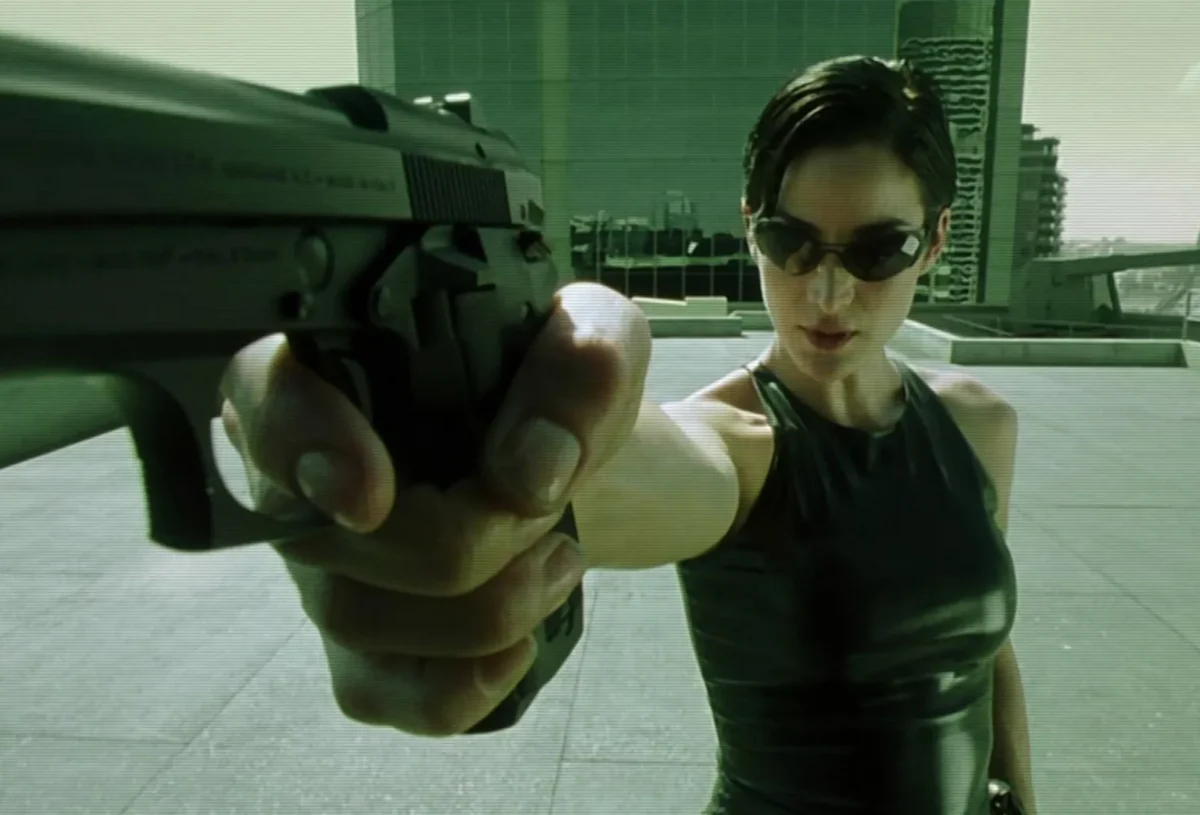
The Wachowskis weaponized cyberpunk for the global blockbuster era, blending philosophical existentialism, wire-fu action, and early internet paranoia into a cultural touchstone. Thomas Anderson (Keanu Reeves), a restless software programmer moonlighting as the hacker Neo, is guided by Morpheus (Laurence Fishburne) and Trinity (Carrie-Anne Moss) to a staggering realization: his reality is a machine-generated simulation designed to pacify a subjugated humanity. Awakening in the desolate ruins of the real world, Neo must harness the rules of the simulation to liberate mankind, cementing a visual and thematic language that redefined modern science fiction.
Akira (1988)
Set three decades after a mysterious explosion leveled Tokyo and triggered World War III, Katsuhiro Otomo’s Akira depicts a rebuilt metropolis choking on political corruption, military experimentation, and disenfranchised youth. When teenage biker Tetsuo acquires terrifying psychic abilities after encountering an escaped experimental subject, he sets off a cataclysmic chain reaction.
Beyond its narrative brilliance, Akira remains a monumental achievement in traditional animation. Otomo bypassed computer-generated shortcuts, relying on over 160,000 hand-painted cels utilizing 327 distinct colors—including 50 custom shades created solely to render the neon glow of Neo-Tokyo. Its blend of post-war trauma and biomechanical horror permanently shaped the global perception of cyberpunk aesthetics.
The Titans of the Genre
Blade Runner (1982)
Ridley Scott’s visionary masterpiece established the moody, rain-drenched blueprint for cinematic cyberpunk. Set in a decaying, overcrowded Los Angeles in 2019, the film follows Rick Deckard (Harrison Ford), a weary detective tasked with hunting down "replicants"—bioengineered synthetic humans created by the Tyrell Corporation. When Deckard pursues a group of renegade replicants led by Roy Batty (Rutger Hauer) seeking to extend their artificial lifespans, the moral line between hunter and hunted blurs entirely. Blade Runner forces viewers to confront the uncomfortable reality that synthetic beings can exhibit deeper empathy and humanity than their biological creators.
Ghost in the Shell (1995)
Mamoru Oshii’s philosophical anime masterwork stands as the undisputed crown jewel of cyberpunk cinema. Set in a hyper-technological Japan, the film follows Major Motoko Kusanagi, a fully cybernetic operative working for the elite Section 9 task force. Tasked with apprehending the "Puppet Master"—an elusive hacker capable of infiltrating human cyberbrains—Kusanagi embarks on an investigation that forces her to question the authenticity of her own memories, body, and soul ("ghost").
Oshii’s patient, atmospheric pacing invites the audience to inhabit a world where consciousness is digitized, boundaries between nations dissolve into global networks, and identity becomes a fluid construct. From The Matrix to modern science fiction landscapes, the DNA of Ghost in the Shell echoes across cinema, ensuring its legacy as the ultimate exploration of the cyberpunk ethos.
 Siti Muinah
 Ali Ikhwan
 Sagoh
Sagoh
