

By Global Health & Longevity Correspondent
The pursuit of human longevity has taken many forms throughout history—from the mythical waters sought by explorers to modern biohacking routines involving cold plunges, restrictive diets, and advanced pharmacology. Now, a high-tech procedure originating from clinical medicine is capturing the imagination of the anti-aging community: therapeutic plasma exchange (TPE).
A recent study published in the journal Aging Cell suggests that this blood-filtering procedure might be capable of temporarily reducing a person’s biological age by roughly two and a half years. However, before the public rushes to book appointments at specialized wellness clinics, longevity experts urge caution. Beneath the provocative headlines lies a nuanced medical reality involving short-lived physiological shifts, significant bodily stress, and many unanswered questions.
Main Facts: What is Therapeutic Plasma Exchange?
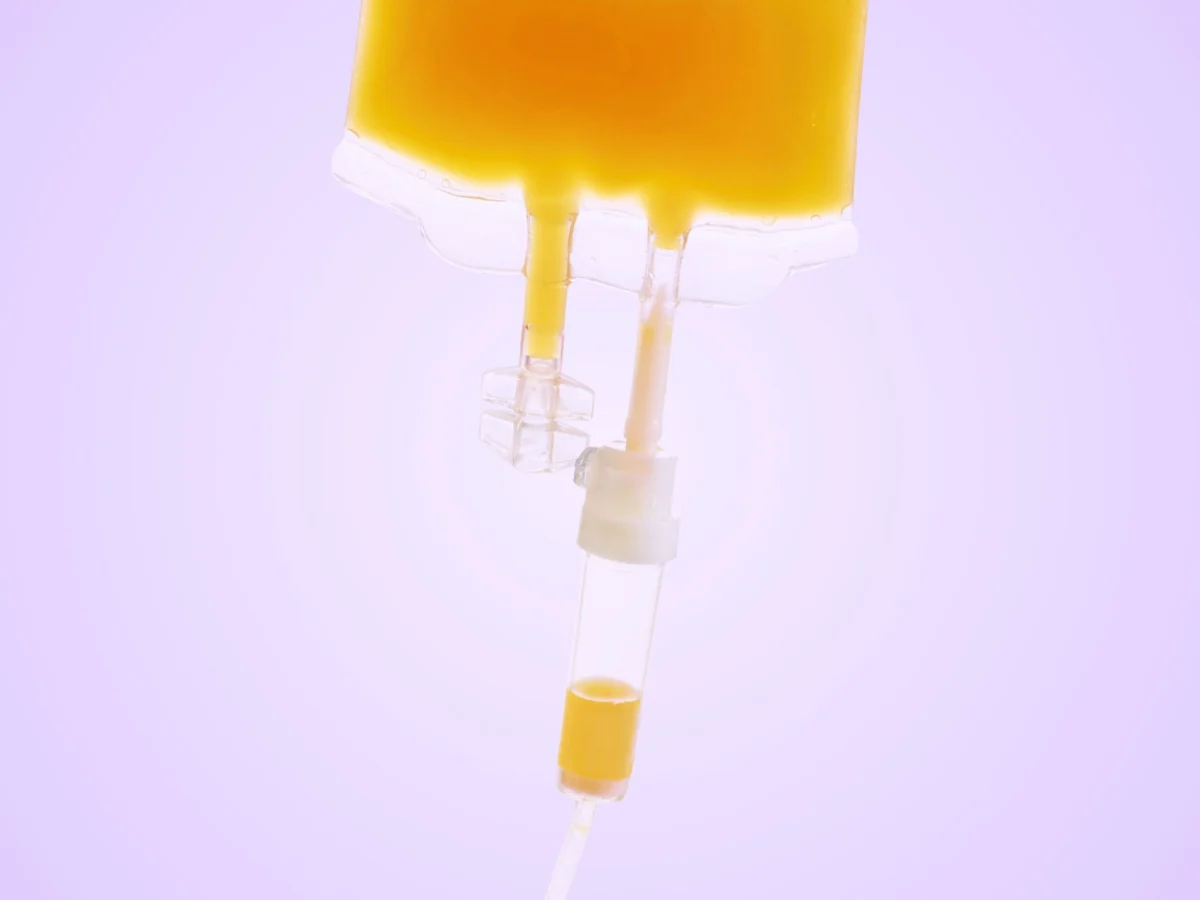
Therapeutic plasma exchange is a medical procedure that involves filtering a patient’s blood to remove the liquid portion—the plasma—and replacing it with a substitute, typically a mixture of purified albumin (a vital blood protein) and saline. In some experimental settings, specialized immune therapies like intravenous immunoglobulin (IVIG) are also integrated.
Historically, TPE has been utilized in mainstream medicine to treat severe autoimmune conditions, certain neurological disorders, and specific blood cancers by purging the bloodstream of harmful autoantibodies, toxins, or inflammatory agents.
However, its recent spotlight in longevity research stems from a different hypothesis: Can filtering out "aged" or inflammatory plasma and replacing it with cleaner alternatives effectively reset the body’s internal biological clock?
Unlike chronological age—the exact number of years you have been alive—biological age measures the functional state of your cells, tissues, and organ systems. It is estimated by tracking molecular biomarkers, such as changes in thousands of circulating proteins found in the blood.
- The Core Finding: The 2025 Aging Cell study observed 42 participants who underwent plasma exchange and tracked their molecular biomarkers.
- The Claim: Initial data suggested that participants temporarily lowered their biological age by an average of 2.5 years.
- The Catch: Experts emphasize that this age reduction was observed at the midpoint of the study, not at its conclusion. Once the body attempted to adapt to the massive intervention, the rejuvenating effects largely dissipated.
Chronology: From Mythical Parabiosis to Modern Plasma Science
The theoretical foundation of blood-based longevity interventions did not materialize overnight. It is built upon decades of biomedical research exploring the intersection of circulatory systems and aging.
Early Mouse Models and Parabiosis (Circa 2010s)
Roughly 15 years ago, researchers began investigating the fluid dynamics of aging through a surgical technique known as parabiosis. By physically linking the circulatory systems of old mice and young mice, scientists tested whether circulating "young" blood factors could rejuvenate aged tissues.
The results were striking: older mice fused with younger circulatory partners demonstrated increased resilience to tissue damage, improved muscle regeneration, and enhanced cognitive function. This sparked a wave of scientific curiosity. Researchers began asking a fundamental question: Is there something specific in our circulation that we can remove—or infuse—to extend healthspan and lifespan?
Translation to Clinical Trials (2020s)
Building on decades of animal data and existing protocols for treating autoimmune diseases, translational scientists began designing human trials to test whether targeted plasma modification could safely alter human aging biomarkers. This trajectory culminated in recent small-scale human trials, including the 2025 Aging Cell study, which sought to measure whether artificial plasma replacement could mimic the rejuvenating effects observed in earlier animal models.
Supporting Data: Understanding the Body’s "Transport System"
To understand why scientists focus on plasma, one must look at its biological function. Dr. Andrea Maier, MD, PhD—a geriatrician and board member of the Academy for Health and Lifespan Research—describes plasma as the body’s ultimate delivery network.
"It’s a transport system like DHL, a vehicle to bring things from your brain to your muscles, from kidney to lungs, and so on. So it’s a fluid with lots of information," Dr. Maier explains.
Plasma is composed mostly of water, but it carries a dense cargo of proteins, metabolites, hormones, and inflammatory signaling molecules. Because it bathes and connects nearly every organ system, changes in plasma composition offer a wide-angle snapshot of systemic health.
Biological Age vs. Chronological Age
Dr. Keenan Walker, PhD, a senior investigator at the National Institute on Aging, notes that while biological age is not a fixed or single metric, it remains a powerful epidemiological tool.
"There’s no one biological age, but people try to estimate it," says Dr. Walker. "And what studies have found is that people whose biological age is older than their chronological age are at greater risk for chronic conditions, diseases, and mortality."
The Midterm vs. End-of-Study Discrepancy
While the 2025 study initially caught attention for its headline-grabbing 2.5-year reduction in biological age, a closer examination of the data reveals a transient effect. Dr. Maier points out a critical limitation:
- Midterm Results: Showed a measurable decline in biological age indicators.
- Final Results: Showed that the effect had nearly vanished by the conclusion of the trial.
According to Dr. Maier, removing a patient’s entire plasma volume and reintroducing alternative fluids places immense systemic stress on the body. While the initial influx of purified proteins causes a temporary shift in biomarkers, the body rapidly works to restore homeostasis. As it adapts to the disruption, the biomarkers swing back to their baseline levels, rendering the rejuvenation temporary.
Official Responses and Expert Perspectives
As enthusiasm for longevity therapies grows, prominent researchers are stepping forward to temper public expectations and contextualize the current state of the science.
Dr. Andrea Maier: A "Phase 1" Reality Check
Dr. Maier categorizes the current research strictly as preliminary.
"I would call this a phase 1 study," she states. "We’ve basically learned that we can safely do it, and now we have to see it in much bigger studies and look at the long-term effect. It’s not a crazy idea. It’s absolutely grounded in lots of evidence, but not for everybody."
She strongly advises against adopting plasma exchange as an unproven anti-aging routine in commercial clinics. Because the procedure is physically demanding and "rough on the body," she cautions that it is not yet ready for prime-time clinical practice. "I love innovation, and I love this study, but I think the future will give something else."
Dr. Keenan Walker: The Importance of Patient Profiling
Dr. Walker highlights another crucial variable observed during the research: participant health status.
"Those who were less healthy saw a stronger intervention effect," Dr. Walker notes. "So I think it’ll be important to find out for whom this works."
This suggests that broad, generalized plasma filtering may not yield equal results across healthy populations versus those dealing with chronic inflammation or age-related metabolic dysfunction. Future research must pivot toward identifying specific patient sub-groups who might genuinely benefit from targeted blood modifications.
Implications: What This Means for the Future of Longevity
The conversation surrounding therapeutic plasma exchange underscores a broader tension in modern geroscience: the gap between mechanistic possibility and clinical practicality.
- The Shift Toward Precision Medicine: Both Drs. Maier and Walker agree that the future of blood-based anti-aging interventions lies in precision medicine rather than blunt, generalized filtering protocols. Rather than sweeping all plasma out of the body, future therapies may focus on neutralizing specific pathogenic proteins or inflammatory cytokines linked to cellular senescence.
- Avoiding Premature Commercialization: The rise of direct-to-consumer longevity clinics offering experimental blood treatments remains a growing concern for regulatory bodies and medical professionals. Studies like the one published in Aging Cell prove that while the biological pathways of aging are malleable, manipulating them safely requires rigorous, large-scale clinical trials.
- Redefining Rejuvenation: The transient nature of the biological age reduction observed in the study serves as an important scientific lesson: altering a biomarker is not the same as reversing the foundational mechanisms of aging. True longevity interventions must demonstrate long-term safety, sustained functional improvement, and a meaningful extension of healthspan—not just a temporary blip on a molecular dashboard.
For now, the fountain of youth remains out of reach in a blood bag. But as researchers continue to decode the complex cargo of our circulatory system, each scientific step brings medicine closer to understanding how we might one day age better, healthier, and wiser.
 Ali Ikhwan
 Nana Wu
 Laily UPN
