

The annual arrival of Diwali, the Festival of Lights, has long been a sacred cornerstone of South Asian culture. However, in recent years, the celebration has transcended its traditional roots, evolving into a major cultural touchstone within the heart of the American entertainment industry. Nowhere is this transformation more evident than in New York City, where a new generation of South Asian actors, influencers, and creators are crafting a distinct, glamorous, and deeply meaningful space for the holiday.
On October 13, at the upscale Maxwell Social club in New York City, the third annual pre-Diwali soirée solidified this shift. Co-hosted by actress Avantika Vandanapu, Percy Jackson and the Olympians star Aryan Simhadri, influencer Aditya Madiraju, and publicist Neerja Patel, the event served as more than just a party—it was a statement on the intersection of heritage, fashion, and modern diaspora identity.
Main Facts: The Evolution of a Cultural Phenomenon
The event brought together a diverse group of prominent South Asian figures, all united by a desire to share the spirit of Diwali with a broader audience. Avantika, known for her roles in Mean Girls and Not Suitable for Work, has made it a point to bridge her cultural background with her professional life in New York.
"I moved to New York almost five years ago," Avantika shared exclusively with E! News. "It feels like a little tradition to start the Diwali season off with a party where I can celebrate with my friends. I love bringing my friends from all different cultures to this party and introducing them to light and what it means to be in the spirit of Diwali."
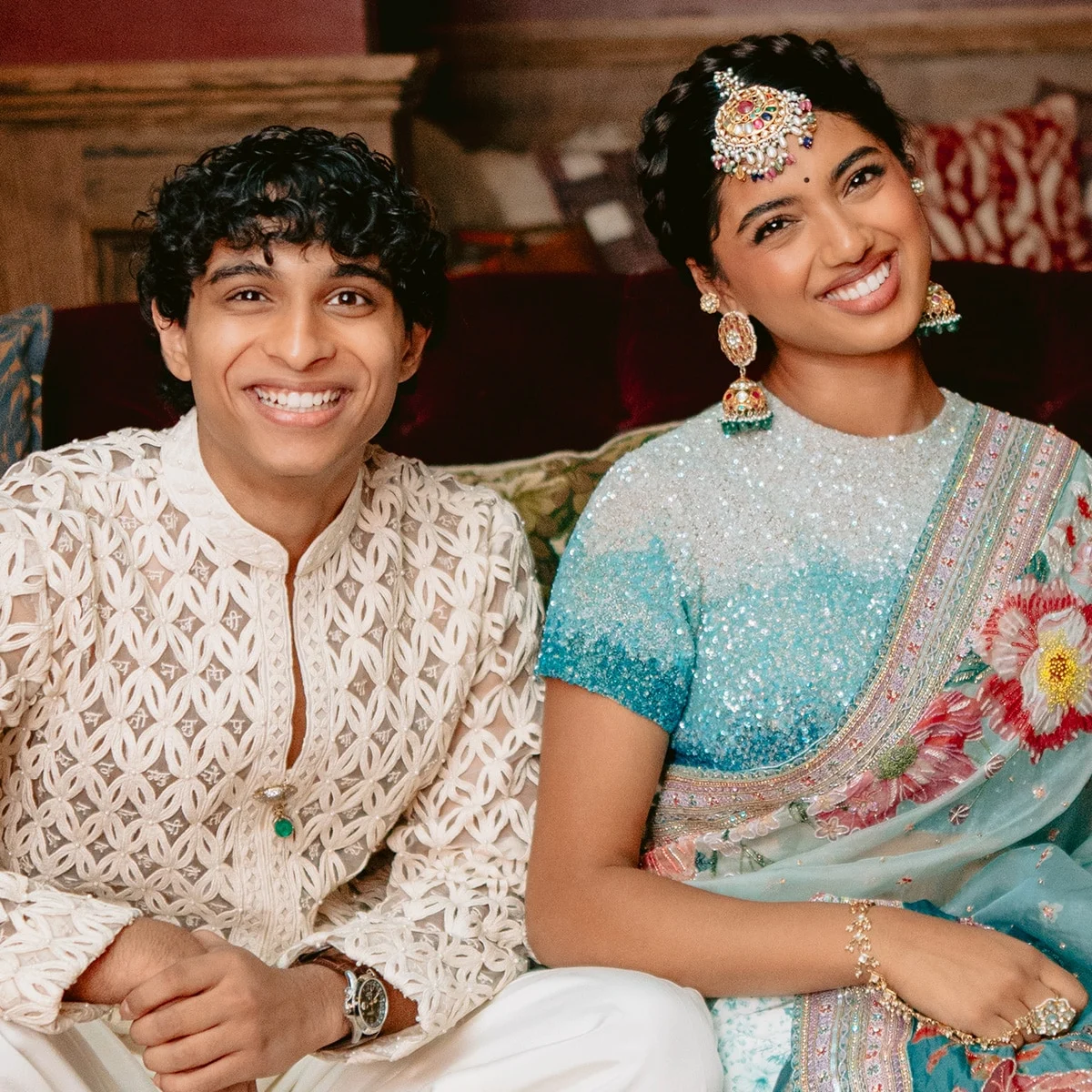
The gathering featured an exquisite display of South Asian sartorial excellence. Avantika herself stunned in a baby-blue Rahul Mishra sari, opting for a shimmering, modern aesthetic over strictly traditional silhouettes. This choice underscores a broader trend: younger South Asian stars are reclaiming their heritage by experimenting with contemporary designs, signaling that cultural pride is not static, but fluid and evolving.
Chronology: From Private Tradition to Public Gala
The trajectory of this specific celebration reflects the rising visibility of South Asian talent in Western media.
- Five Years Ago: Avantika Vandanapu moved to New York City, marking the beginning of her journey as a young professional navigating both the entertainment industry and her cultural roots.
- Three Years Ago: The inaugural annual Diwali soirée was established, setting a precedent for a recurring, high-profile event that celebrates the holiday within the metropolitan arts scene.
- October 13, 2024: The third annual celebration took place at Maxwell Social. The event featured a curated atmosphere of rhythmic music, aromatic hors d’oeuvres, and a guest list that showcased the diversity of the South Asian diaspora.
- November 8, 2024: The official date of the Diwali holiday, serving as the temporal anchor for the season’s preceding festivities.
Throughout this timeline, the nature of the celebration has shifted from private family gatherings to inclusive, public-facing events that invite conversation and cultural exchange.
Supporting Data: The Fashion and Spirit of the Night
The sartorial choices of the attendees were a focal point of the evening, serving as a masterclass in modern South Asian fashion. Influencer Seerat Saini, who attended the gala in a moody burgundy Papa Don’t Preach ensemble, captured the mood of the evening perfectly.
"This month, there’s a ton of events," Saini noted, drawing a parallel to the high-society social calendar depicted in popular media like Bridgerton. "It’s a time to shine. Diwali is about dressing how you feel most beautiful. We love our South Asian wear. We love our South Asian designers."
Saini’s sentiment hits on a critical psychological shift for the diaspora. "It’s something that a lot of us used to be ashamed about growing up," she admitted. "So celebrate the f–k out of it! Do whatever is going to make you feel like the light that you are."
The men in attendance were equally committed to the aesthetic. Aryan Simhadri, who appeared in a sheer white Nazranaa kurta, opted for a subtle yet sophisticated look, elevated by a striking elephant brooch featuring an emerald drop diamond. This attention to detail demonstrates that the "glitz and glam" of the evening were not merely for show, but a conscious effort to elevate South Asian aesthetics on the global stage.
Official Responses: Beyond the Red Carpet
While the party provided a vibrant backdrop for photos, the deeper significance of the festival remains centered on the themes of gratitude and renewal. For the celebrities involved, Diwali is a moment of pause—a way to recalibrate before the end of the calendar year.
Aryan Simhadri, currently involved in the Freakier Friday production, highlighted the balance between his professional life and the simple, domestic joys of the holiday. "I am going home to my parents and lighting as many firecrackers in my backyard as I can get my hands on," he said, laughing. "The goal usually is to try not to burn the house down, but just toe the line."
For Avantika, the holiday serves as a spiritual anchor. "Diwali’s themes always feel very real and always very necessary," she explained. "While it is light over dark, good over evil, it’s also a spirit of gratitude that you carry through these months." She emphasized that the practice of waking up with an intentional sense of gratitude is, for her, the most profound way to honor the festival’s message.
Implications: The Cultural Impact of Visibility
The growing prominence of these celebrations in major cultural hubs like New York has significant implications for the broader South Asian community.
1. Cultural Normalization
By hosting these events in mainstream social clubs, South Asian stars are normalizing the presence of their traditions in American high society. This reduces the "othering" that many in the diaspora felt in previous decades. When a red-carpet-worthy event is built around a sari or a kurta, it reinforces the message that South Asian culture is not a niche interest, but a vibrant part of the global cultural tapestry.
2. Economic and Artistic Empowerment
The intentional focus on South Asian designers—like Rahul Mishra and Papa Don’t Preach—drives economic growth within the community. By choosing to wear these labels on high-visibility platforms, celebrities are essentially acting as ambassadors for a multi-billion dollar fashion industry that is increasingly competing on the world stage.
3. Generational Shifts
The "shame" mentioned by Seerat Saini is a narrative that is rapidly being replaced by one of empowerment. For the younger generation, the ability to "celebrate the f–k out of" their culture is a form of reclamation. It suggests that the future of the diaspora will be defined not by assimilation, but by the confident integration of their heritage into their modern lives.
4. A New Definition of Community
The event at Maxwell Social brought together actors, influencers, and activists. This demonstrates that the South Asian community in Hollywood is building a self-sustaining network of support. By co-hosting and collaborating, these individuals ensure that they have a platform to share their successes, discuss their challenges—such as the disappointment surrounding the cancellation of Not Suitable for Work—and support one another in an industry that is notoriously difficult to navigate.
Conclusion: The Light That Remains
As the festive season continues and the lights of Diwali illuminate homes across the globe, the events in New York City serve as a beacon of progress. The combination of high fashion, celebrity advocacy, and a genuine commitment to the values of gratitude and light creates a powerful narrative.
Whether it is through the bold sartorial choices on a gala floor or the quiet, nostalgic lighting of firecrackers in a family backyard, the message is clear: the diaspora is no longer just observing their culture—they are actively shaping its future. For stars like Avantika and Aryan, the festival is a reminder that while projects may be canceled and careers may fluctuate, the spirit of light, community, and cultural pride remains an enduring, guiding force.
As we look toward the future, these celebrations promise to grow even larger, ensuring that the Festival of Lights continues to shine with ever-increasing intensity, bringing the warmth of South Asian tradition to the very center of the global cultural conversation.
 Asep Darmawan
 Lina Irawan
 Dwi Wanna
