

Main Facts: The Rise of the Hidden Health Journey
The modern medical landscape has been fundamentally reshaped by the advent of glucagon-like peptide-1 (GLP-1) receptor agonists, such as Wegovy and Ozempic. Originally developed to treat type 2 diabetes, these medications have become cultural blockbusters for weight management. Yet, alongside their soaring popularity, a quieter, more complex phenomenon has emerged: the clandestine use of these drugs.
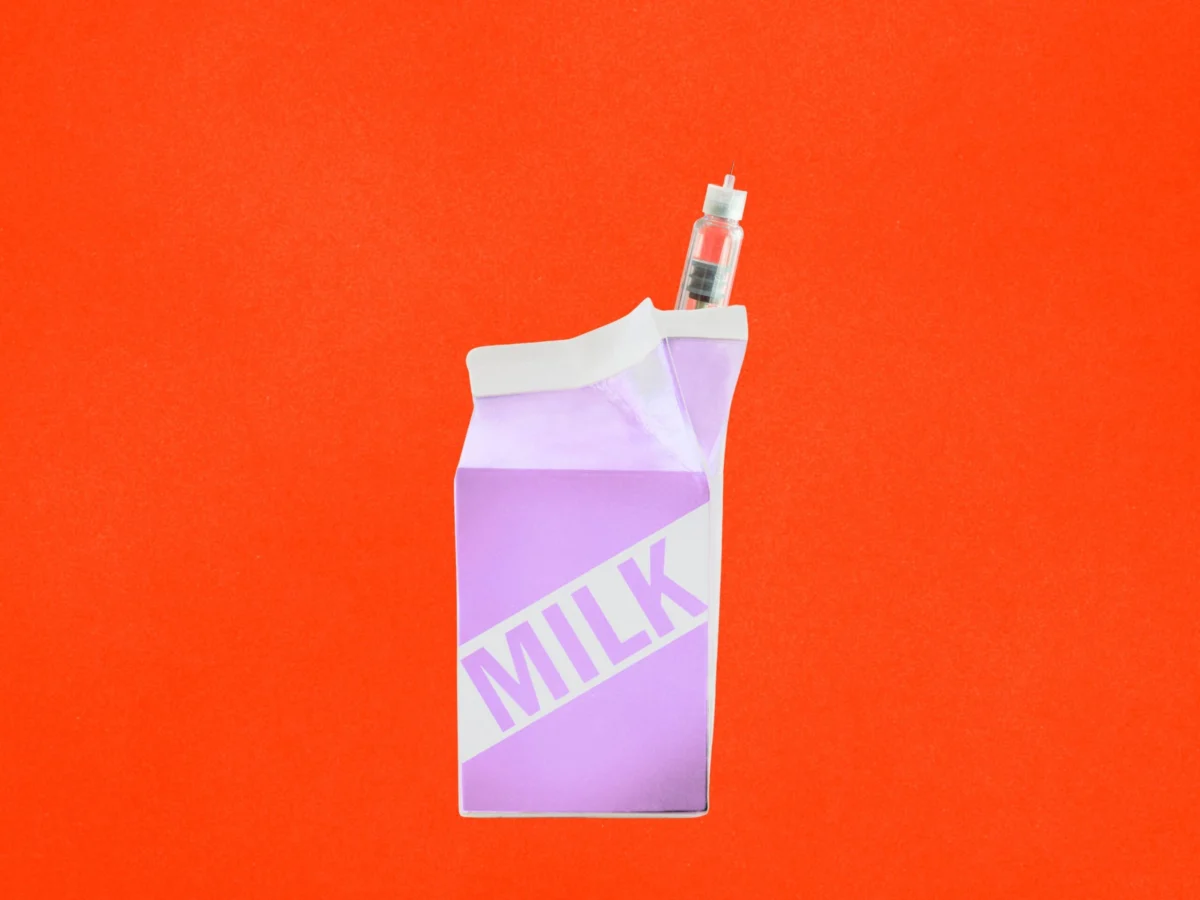
Across digital forums, quiet conversations, and medical clinics, a significant number of patients—predominantly women—are going to extraordinary lengths to hide their GLP-1 prescriptions from the people closest to them. From burying injection pens in the back of refrigerators behind tomato paste boxes and children’s play food containers to dodging medical disclosures with their primary care physicians, secrecy has become a defining, if stressful, companion to modern weight loss.
This article examines the motivations behind this widespread concealment, the role of telehealth in facilitating it, the medical and psychological implications, and expert guidance on how to navigate these delicate conversations.
Chronology: Caroline’s Story and the Cycle of Secrecy
To understand how individuals find themselves hiding medical treatments, it helps to trace the trajectory of patients like Caroline, a 34-year-old living in Montreal whose experience mirrors that of many others.
- Phase 1: Initial Openness and Success. The first time Caroline began taking Wegovy, she was transparent with her inner circle. Over six months, she dropped 30 pounds, moving from 130 pounds back to what she considered her "healthy original weight" of 100 pounds. Despite her satisfaction, her loved ones expressed concern over the rapidity and extent of her transformation, urging her to stop.
- Phase 2: The Telehealth Shortcut. Standing five feet four inches tall, Caroline did not meet the traditional clinical threshold for obesity. Fearing her primary care doctor would deny a prescription, she bypassed traditional routes and consulted an online physician over the phone. Without a comprehensive in-person evaluation of her actual weight, the prescription was granted, and the weight melted off.
- Phase 3: Cessation and Rebound. Eager to be free of the medication, Caroline stopped taking Wegovy after six months. The biological reality of the drug quickly asserted itself: she regained 10 pounds in a single month. Recognizing that the underlying biology of appetite and weight regulation had not permanently changed, she came to a stark realization: "I realized, I can’t stop."
- Phase 4: Maintenance and Complete Secrecy. For the past six months, Caroline has maintained a lower-dose Wegovy regimen. However, her life circumstances have shifted. Now discussing marriage and children with her boyfriend—who witnessed the physical and emotional impacts of her initial weight loss and strongly opposes the medication—she has chosen to keep her treatment entirely hidden. Because she lives alone, she stores the temperature-sensitive pens at the back of her fridge, deploying strategic maneuvers to conceal them during travels, even hiding them in her prospective in-laws’ refrigerator.
Supporting Data and Anecdotes: The Undergrounding of GLP-1s
Caroline is far from an isolated case. Online communities dedicated to weight management have transformed into anonymous support networks where users share operational security tactics for concealing medication.
A recent thread on the r/GLP1microdosing subreddit cataloged an inventive array of hiding spots utilized to keep partners and family members in the dark. Users reported stashing their refrigerated pens inside:
- Tomato paste and anchovy paste boxes
- Opaque feta cheese containers and butter stick boxes
- Children’s play food containers from pretend kitchens
- Empty containers of women’s probiotics and Alani Nu supplements
- Plastic to-go containers, metal water bottles, and baking soda boxes
This anecdotal evidence is corroborated by medical professionals on the front lines of obesity medicine. Dr. Kia Mitchell, MD, a family and obesity medicine specialist based in Jacksonville, Florida, notes that this behavior is remarkably common in her practice. When she first encountered patients hiding their regimens, the rationale was simple: they wanted to avoid domestic debates and retain the autonomy to manage their own bodies.
"There’s this loss of control with the gaining of the weight, but being able to control the narrative around weight loss has been empowering and exciting," Dr. Mitchell explains. "Because now they can reveal it on their own terms. That’s where the control comes back."
User testimonials on digital platforms reinforce this sentiment. One Reddit user, Vivid-Act-6442, wrote, "If my husband found out, it would just be a series of lectures." Another user with 52 years of marriage noted simply, "Just don’t want to hear any negative or critical opinions. After 52 years of marriage, one knows one’s mate." Others report hiding medications from teenage children out of fear that the information will inadvertently reach an ex-spouse, sparking unwanted inquiries.
Official Responses: Telehealth Providers and Medical Experts
The ease with which patients can obtain and conceal these medications is heavily tied to the evolution of telehealth. Digital health platforms like Hers and Ro have streamlined access, bypassing the traditional gatekeeping of local primary care networks. However, this convenience introduces distinct challenges regarding continuity of care.
The Telehealth Perspective
Dr. Craig Primack, Head of Weight Loss at Hers, acknowledges that the platform’s prescribing physicians "do ask [patients] to talk with their primary care doctor about the care they’re getting." While direct verbal counseling during the intake process may be minimal—often relying on reading documentation rather than deep consultations—Dr. Primack points out that the platform screens for mental health, anxiety, and stress, while offering psychologist-developed digital resources via its app.
Dr. Primack is acutely aware of why patients conceal their regimens from romantic partners. Beyond financial concerns or a desire to showcase results only after success is achieved, relationship dynamics play a massive role.
"Your weight and persona set up a dynamic in your couple," Dr. Primack observes. "When you start changing that, sometimes spouses get very jealous—‘Oh my god, you’re becoming potentially more attractive.’ Not that weight is directly linked to that, but that’s what I hear them say." Furthermore, he notes that telemedicine functions as a vital tool for bypassing the deep-seated cultural stigma associated with weight and obesity, which often deters patients from speaking to local physicians.
The Medical and Safety Perspective
Traditional practitioners view widespread secrecy with mixed emotions. On one hand, medical experts acknowledge the psychological safety net that discretion provides. On the other hand, hiding medication—particularly from primary care providers and domestic partners—carries significant medical and emotional risks.
- Drug Interactions and Omissions: Caroline admits to withholding her Wegovy use from her primary physician, even as she juggles other powerful medications like Accutane and Ritalin. Out of anxiety regarding breaking trust, she has resorted to using artificial intelligence tools like ChatGPT as an ad-hoc medical advisor—a practice she readily admits is suboptimal. When her upcoming annual physical reveals sudden, significant weight loss, the confrontation will be unavoidable.
- Reproductive Risks: Dr. Mitchell highlights that GLP-1 medications significantly alter metabolic and hormonal environments, making unexpected pregnancies more common among users—so much so that she refers to several patients as "GLP-1 babies." Hiding medication use from a romantic partner introduces profound complications in family planning.
- The Burden of Stress: Maintaining a double life exacts a heavy psychological toll. Dr. Mitchell emphasizes that chronic stress elevates cortisol levels, which directly counteracts wellness and weight loss goals. "When someone is trying to lose weight, we want their stress hormones to be as low as possible," she notes. "If you’re trying to hide [medication], we’ll be fighting an uphill battle if you’re stressed about that."
Implications: Navigating the Intersection of Health, Trust, and Stigma
The phenomenon of hiding GLP-1 medications is a symptom of a larger cultural discomfort surrounding medicalized weight loss, bodily autonomy, and relationship dynamics. While secrecy can momentarily shield a person from unsolicited opinions, lectures, or relational jealousy, it ultimately isolates the patient at a time when physiological and emotional support is most critical.
For Caroline, the reality of long-term maintenance has collided with the exhaustion of deceit. "It’s very stressful," she reflects. "The fact that not only can I not talk about it, but I’m also unable to get off of it. I don’t love the idea of taking medicine like that forever, but I’m kind of stuck with it." She also questions her own internal motivations, wondering if her relentless pursuit of a specific number on the scale stems from overly harsh self-criticism.
How to Bridge the Gap: Expert Communication Strategies
For those wrestling with the decision to disclose their GLP-1 use to a partner, mental health professionals emphasize that the method of communication dictates the outcome. Dr. Rachel Goldman, a clinical assistant professor in the Department of Psychiatry at NYU Grossman School of Medicine, specializes in weight management and eating behaviors. She suggests that reframing the conversation around personal health and individual needs can transform a defensive dialogue into a constructive one.
- Define Your "Why": Before initiating a conversation, Dr. Goldman encourages patients to ground themselves in their motivations. Understanding why the treatment was chosen and what it means for personal health and well-being builds internal confidence.
- Lead with "I" Statements: Structure the dialogue around personal experience rather than general trends or comparisons to others. Frame the medication as a personal health tool rather than a topic for debate.
- Anticipate Reactions and Outline Needs: Consider potential reactions in advance and decide what you require from your partner—whether it is active support, intellectual understanding, or simply the space to make health decisions free from judgment.
- Allow for Processing Time: A partner’s initial reaction may be colored by surprise, confusion, or their own internal biases. Recognizing that partners may need time to process the information can pave the way for long-term honesty and deeper connection.
Ultimately, while hiding a medication behind a box of anchovy paste or a container of tomato paste offers a temporary sanctuary from judgment, it cannot substitute for a healthcare ecosystem built on complete transparency, clinical safety, and mutual trust. As GLP-1 medications continue to redefine modern medicine, society’s next challenge will be learning how to talk about them openly, honestly, and without shame.
 Layla Zulfa
 Reynand Wu
 Iffa Jayyana
