

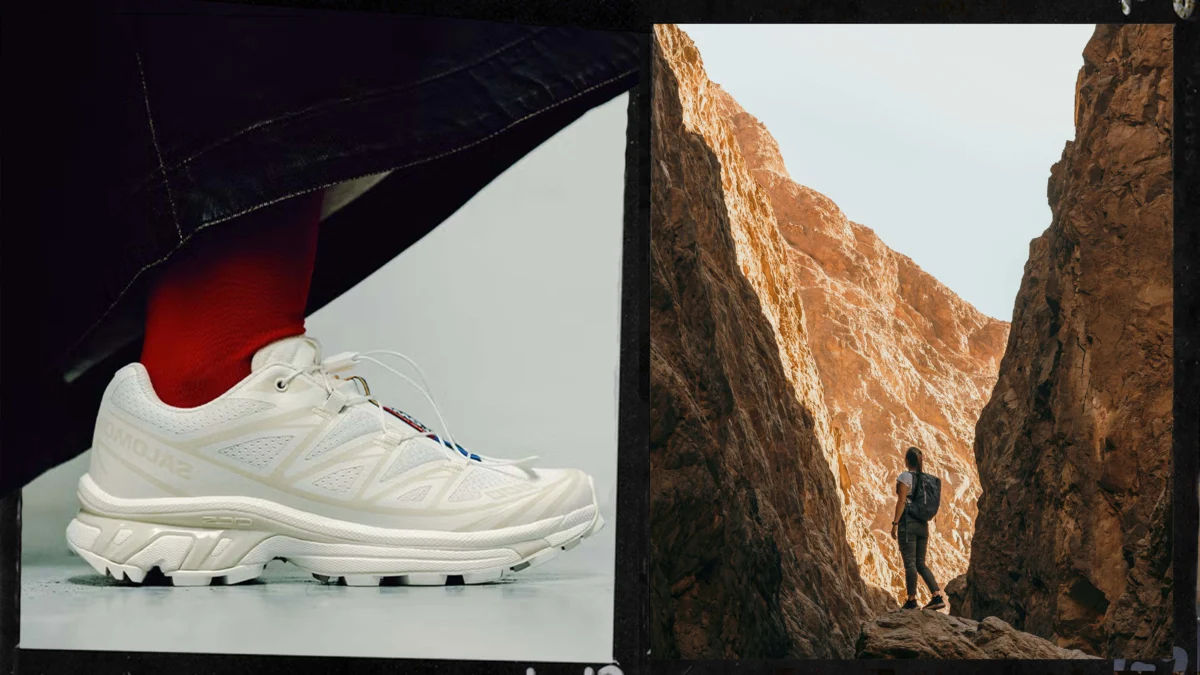
For the modern traveler, the most critical piece of equipment isn’t the suitcase, the noise-canceling headphones, or the curated capsule wardrobe—it is, unequivocally, a reliable pair of sneakers. Whether you are navigating the high-speed transit of Tokyo’s metro, sprinting through the cavernous terminals of Heathrow, or clocking 20,000 steps across the uneven, historic cobblestones of Paris, your footwear determines the success of your journey.
There is little point in wearing a chic loungewear set or a sophisticated travel outfit if your feet are compromised by blisters or arch fatigue. The difference between a memorable trip and a miserable one often comes down to the support, durability, and versatility of the shoes on your feet. Below, we break down the definitive guide to travel-ready sneakers, as tested by our editors across the globe.
The Evolution of Travel Footwear: From Utility to Trendsetting
Travel footwear has undergone a radical transformation over the last decade. Historically, travelers were forced to choose between the clunky, orthopedic-looking “tourist” sneaker or the high-fashion but punishingly uncomfortable flats. Today, that dichotomy has collapsed. The rise of "gorp-core," the revival of retro athletic silhouettes, and the integration of performance foam technology into lifestyle footwear have created a new category: the high-performance travel sneaker.
The shift began in the late 2010s as luxury fashion houses began collaborating with athletic giants, effectively blurring the lines between the runway and the trail. Today, the most "on-trend" shoes are often those designed with genuine ergonomic intent. As our editorial team has learned from traversing the globe—from the busy streets of New York to the quiet temples of Kyoto—the best travel shoes are those that bridge the gap between aesthetic appeal and structural necessity.
Top Picks: The Editors’ Favorites
After months of testing and thousands of collective miles, these are the sneakers that have earned a permanent spot in our suitcases.
1. The Adidas Samba OG: The Casual Icon
Once the domain of soccer pitches and 1970s indoor sports, the Adidas Samba has secured its place as the definitive casual travel shoe. Its low-profile silhouette makes it incredibly versatile, pairing just as easily with wide-leg trousers as it does with denim.
- Editor’s Take: Editorial assistant Kat Chen calls these her "ride or die." Having worn through pairs over a decade-long cycle, she notes their near-weightless feel. For those who prioritize a low-to-the-ground, minimalist look that doesn’t sacrifice comfort for style, the Samba remains the industry standard.
2. The Salomon XT-6: The Master of Versatility
If you are looking for a shoe that handles the transition from a hike to a high-end dinner effortlessly, the Salomon XT-6 is unparalleled. Its roots are in trail running, meaning it offers exceptional stability and grip, but its aesthetic has become a staple of urban fashion.
- Key Advantage: The Quicklace system is a game-changer for airport security, allowing for rapid removal and re-application without the frustration of traditional knots.
3. The New Balance 9060: The "Dad Shoe" Perfection
New Balance has mastered the "dad shoe" aesthetic, and the 9060 model is perhaps their most impressive feat of engineering. These are not merely for aesthetics; they are designed for long-haul comfort. Associate editor Charlie Hobbs claims these are the only sneakers he packs. He notes that the shoes actually improve with time, becoming softer and more pliable as they are broken in, even surviving the heavy dust and terrain of European city travel.
4. The Hoka Clifton 11: The Athletic Powerhouse
For travelers who prioritize performance—especially those who work out on the road or endure 30,000-step days—the Hoka Clifton 11 is the gold standard. Utilizing an EVA foam midsole, these shoes provide a level of shock absorption that mimics walking on a pillow. They are the ultimate choice for those prone to joint pain or foot fatigue.
Casual Sneakers: Balancing Style and Support
When the itinerary involves more walking than hiking, a casual sneaker is essential. The challenge is finding one that offers enough cushioning for a full day of sightseeing.
- Rothy’s The Ivy Sneaker: A standout for its sustainable, knit design. These are not only machine washable—a major plus for travel—but they feature a surprisingly grippy outsole that offers peace of mind on wet city sidewalks.
- Adidas Gazelle Bold: For those who want a touch of height without the instability of a heel, the platform-soled Gazelle is a revelation. They provide an extra inch of elevation while remaining robust enough for rain-slicked streets.
- Converse Chuck Taylor All Star: The classic high-top remains an essential for a reason. While they lack the high-tech cushioning of modern runners, their timeless appeal and ability to add a "tomboy" edge to any outfit make them a staple for fashion-conscious travelers.
The Science of Foot Comfort: Supporting Data
Why do some sneakers fail while others thrive? The answer lies in the materials. Performance-oriented sneakers, like the Hoka Clifton or Salomon XT-6, utilize high-density EVA foams and rockered geometries that reduce the mechanical load on the ankle and knee.
Conversely, flat-soled sneakers like the Converse or Adidas Samba rely on traditional vulcanized rubber. While these provide excellent ground feel, they lack the arch support required for long-term standing. Travelers should consider using high-quality orthotic inserts if they prefer the look of a classic flat sneaker but require the support of an athletic shoe.
Official Manufacturer Perspectives
Leading footwear brands have publicly pivoted their marketing toward the "traveler" demographic. Brands like Hoka and On Running have explicitly highlighted the "airport experience" in their product descriptions, emphasizing slip-on capabilities and lightweight materials.
In recent press releases, representatives from brands like New Balance have emphasized the "durability index" of their lifestyle lines, suggesting that the current generation of consumers is looking for "buy-it-for-life" quality rather than fast-fashion disposability. This trend aligns with the industry’s shift toward sustainability, where a single, high-quality pair of sneakers is intended to replace three or four cheaper, poorly made alternatives.
Implications for Future Travel
The current market trends suggest that the future of travel footwear lies in "hybridization." We are seeing an increase in sneakers that feature:
- Water-repellent coatings: Crucial for travelers visiting climates with unpredictable weather.
- Anti-microbial liners: Essential for long-haul travel where access to laundry is limited.
- Modular designs: Shoes with interchangeable parts or laces designed for quick adjustments during foot swelling—a common occurrence during long flights.
As travelers continue to demand more from their gear, the pressure will remain on manufacturers to innovate. We expect to see more integration of bio-based materials, such as mushroom leather or recycled ocean plastics, which reduce the environmental footprint of travel-heavy footwear without compromising on performance.
Final Recommendations for the Discerning Traveler
Before you finalize your packing list, consider your destination and the nature of your trip. If you are heading to a metropolitan center known for walking, prioritize the New Balance 9060 or Atoms Model 001 for their combination of support and polished aesthetics. If you are heading to the coast or the mountains, the Salomon XT-6 or Hoka Clifton will provide the technical edge you need to remain comfortable.
Ultimately, the best sneaker is the one you forget you are wearing. By investing in quality footwear that supports your specific foot arch and suits your personal style, you remove the physical barriers to exploration. Your next trip should be defined by the sights you see and the experiences you have, not the blisters you nurse at the end of the day. Choose wisely, break them in before you leave, and walk comfortably into your next adventure.
 Basiran
 Asro
 Evan Lee Salim
