

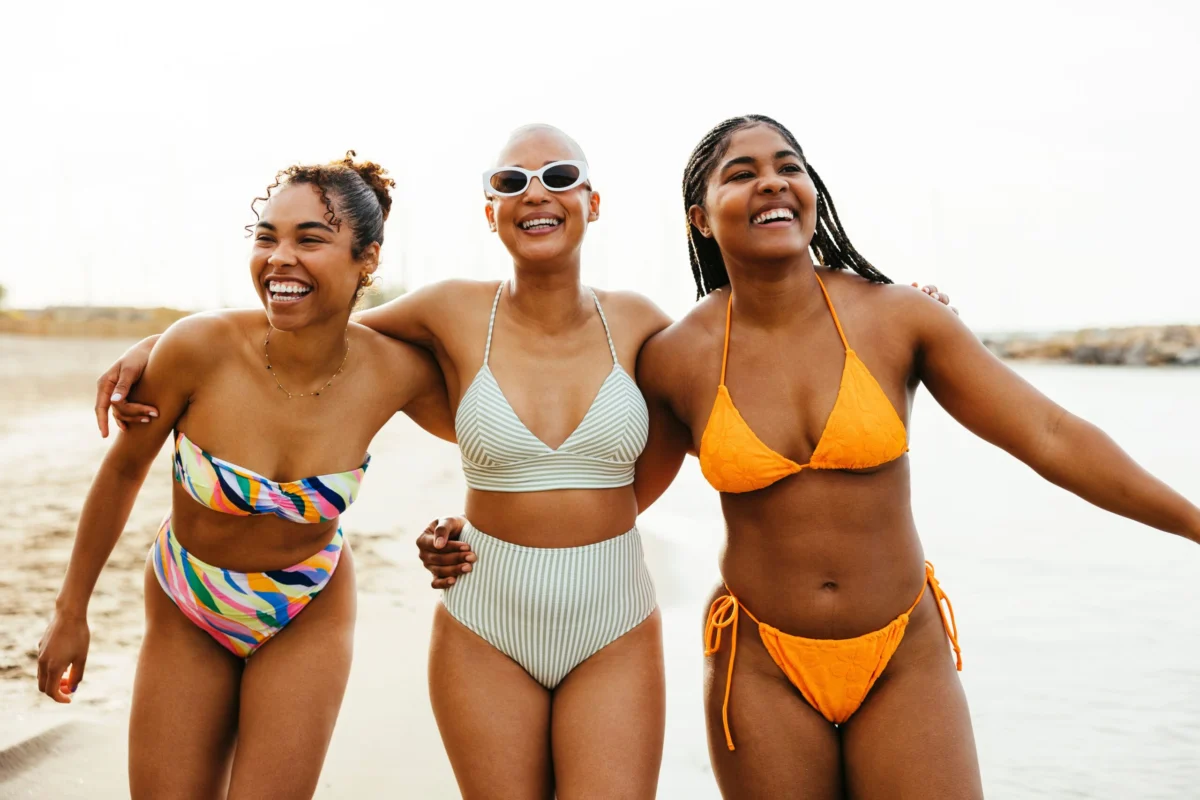
In a travel landscape dominated by the iconography of romantic partnerships—the honeymoon, the babymoon, and the vow renewal—a quiet but powerful shift is taking place. Single women, tired of waiting for the traditional societal milestones to justify a celebratory getaway, are reclaiming the travel experience for themselves. They are calling it the "we-moon": a celebratory trip designed to honor personal achievements, milestones, and the enduring strength of female friendship.
Whether it is a book launch, a hard-earned promotion, the completion of a master’s degree, or simply the celebration of a life season, the we-moon flips the script on traditional travel. It is a declaration that you do not need a partner to justify a luxury retreat or a journey of self-discovery.
The Genesis of the We-Moon
The concept is born from a desire to escape the "waiting room" of life. Too often, women are conditioned to view travel as something to be shared with a romantic partner. If a woman is single, she is often relegated to the "girls’ trip"—a fun, albeit sometimes chaotic, excursion. However, a we-moon is distinct in its intent: it is a curated, purposeful celebration of a milestone that is exclusively yours.
During a recent excursion to the Four Seasons Resort and Residences Anguilla, the stark reality of the "couple-centric" travel industry became apparent. On a speedboat cutting through turquoise waters, the view was filled not with the solitude of the sea, but with the backdrop of honeymooners. Yet, for those on board—a throuple of girlfriends—the focus wasn’t on the romance of the location, but on the celebration of a first book deal. This is the heart of the we-moon: shifting the spotlight from "us" to "me," while surrounded by the "we" of supportive friendship.
Anatomy of the Perfect We-Moon: A Chronological Framework
Planning a high-stakes, milestone-celebrating trip requires more than just a destination; it requires strategy. To ensure the experience is restorative rather than draining, seasoned travelers and experts suggest a structured approach.
Phase 1: The Pre-Trip Alignment (Weeks 1–4)
The foundation of a drama-free we-moon is communication. Before a single flight is booked, the group must engage in a transparent conversation about budgets and expectations. Dr. Joy Harden Bradford, author of Sisterhood Heals, emphasizes that the most common friction points in group travel are fiscal and temperamental.

"You don’t want to wait until you arrive to find out that there’s a massive divide in the group regarding luxury versus utility," says Dr. Bradford. "Some people are perfectly happy with a budget Airbnb, while others view a five-star resort as essential to their mental reset. Aligning on these values beforehand is the difference between a relaxing trip and a resentful one."
Phase 2: Curating the Itinerary (The "Opt-Out" Rule)
One of the most vital components of a successful we-moon is the inclusion of "opt-out" clauses. A common pitfall of group travel is the "over-planned itinerary," where the pressure to maximize every hour leads to exhaustion.
During the Anguilla retreat, the itinerary was developed with the villa concierge to include both group bonding and solitary activities. While the group enjoyed collective experiences like island-wide Jeep excursions and spa sessions featuring regional treatments, they also protected their individual needs. When a private poolside yoga session was scheduled, those who needed rest stayed behind, while others used the time for personal reflection and physical recovery. This flexibility ensures that the vacation serves the individual, not just the group.
Phase 3: The Deep-Dive Experience
A we-moon is an opportunity for personal growth. This often manifests in learning new skills together. In Anguilla, the group participated in a professional mixology class. Beyond the fun of mastering a margarita, the act of learning a new skill is scientifically proven to enhance brain health. When this is done in a social setting, the stakes are low and the joy is amplified. Whether it is pickleball, pottery, or cooking, the goal is to engage the mind in a new way, creating a shared memory that transcends the standard "vacation cocktail."
Supporting Data and Psychological Implications
The surge in solo and female-group travel is supported by shifting demographics. According to recent trends in the hospitality sector, there is a marked increase in women traveling without male partners or children. This shift is not merely a lifestyle choice; it is a psychological imperative.
Dr. Bradford notes that for many women, the daily grind of professional and personal responsibilities creates a "deficit of solitude." The we-moon functions as a sanctuary. By creating a space that is physically and mentally removed from one’s daily routine, travelers are able to practice higher levels of vulnerability.

"If these are people that you are hoping to grow closer to, the trip is the perfect backdrop," explains Dr. Bradford. "You are away from the distractions of your routine. It allows you to get into the conversations that you simply don’t have time for in the day-to-day."
Official Perspectives: The Role of Modern Luxury
The hospitality industry is beginning to recognize the economic power of the we-moon. Brands like the Four Seasons are leaning into the "Villa and Residence" model, which caters perfectly to this demographic. These properties offer the best of both worlds: the privacy of a personal home—essential for the "retreat" aspect of the trip—and the high-touch amenities of a luxury hotel.
This hybrid model allows groups to maintain a "home base" where they can unwind in private while having access to personalized services like concierge-led excursions, private chefs, and dedicated wellness instructors. This shift signals a broader recognition that the modern traveler is looking for personalized, milestone-driven experiences rather than generic packages.
The Long-Term Impact: Why the We-Moon Matters
The implications of the we-moon extend far beyond a single vacation. It represents a fundamental shift in how women define self-worth. By carving out time and space to celebrate personal victories—whether they be professional or personal—women are effectively rewriting the narrative that says their milestones are secondary to those of a family unit.
- Destigmatizing Independence: The we-moon proves that adventure is not a commodity to be purchased only by couples.
- Strengthening Social Capital: By prioritizing deep, vulnerable conversations in a neutral, luxury environment, friends are building stronger, more resilient bonds.
- Redefining Success: When we celebrate a book deal or a promotion with the same fanfare typically reserved for weddings, we validate our own accomplishments.
As the concept of the we-moon continues to gain momentum, it serves as a reminder that life’s most significant milestones deserve to be marked by those who support us most. It is an invitation to stop waiting for the "right" time or the "right" partner to see the world. As the women in Anguilla discovered, the most important relationship to nurture is the one you have with yourself, and the best travel companion is a group of friends who recognize your value.
In the end, the we-moon is not just a vacation—it is a reclamation of the joy, the luxury, and the recognition that every woman deserves. Whether you are climbing a mountain to celebrate a new job or sipping wine in a jacuzzi in the Caribbean to celebrate a creative breakthrough, the we-moon is the ultimate testament to the idea that you are worthy of celebration, all on your own terms.
 Asro
Asro
 Suro Senen
 Azzam Bilal Chamdy
