

For the modern creative, the migration to Mexico City (CDMX) has evolved from a niche trend into a rite of passage. With its verdant, tree-lined boulevards, a culinary scene that arguably rivals Paris or Tokyo, and an artistic infrastructure that boasts more museums than almost any other city in the world, it is easy to see why the Mexican capital has become a magnet for international talent.
However, this influx of global nomads brings with it a complex discourse. The rapid transformation of neighborhoods like Roma and Condesa—fueled by the rise of short-term rental platforms—has sparked fierce debates regarding gentrification, the displacement of local residents, and the erosion of the city’s authentic character. For the conscious traveler, the question is no longer just "where should I stay," but rather, "how can I visit without contributing to the hollowing out of a neighborhood?"
The Moral Calculus of Modern Travel
The choice of accommodation is perhaps the most significant logistical—and ethical—decision a traveler makes. When I began planning my own winter retreat to CDMX, the mandate was clear: I needed a central, affordable home base, but I was determined to avoid the "ghost hotel" phenomenon—properties managed by faceless third-party corporations that strip housing stock from the local market.
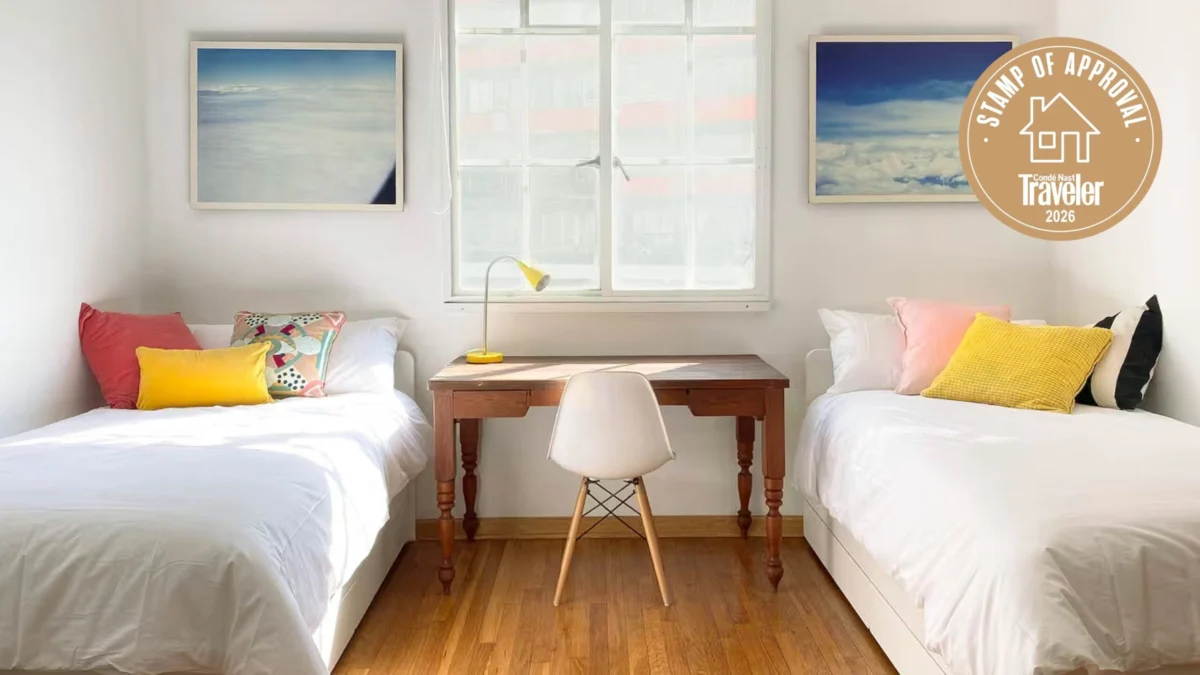
My search led me to a spacious, character-filled apartment straddling the border of Condesa and Roma. The host, Mariana, was a refreshing contrast to the algorithm-optimized listings that dominate the platform. A graphic designer and mother of three who has hosted on Airbnb for eight years, her profile felt rooted in the very community I was visiting. Her nearly 900 reviews and 4.85-star rating spoke to a level of hospitality that is personal, not industrial.
A Chronology of a Lived-In Experience
To understand the value of an "authentic" rental versus a "content-driven" one, one must look at the lived experience. My trip was split between two properties: Mariana’s home and a second, highly stylized apartment that promised an "Instagrammable" aesthetic.
The Arrival:
Checking into Mariana’s place was an exercise in human connection. Unlike the digital lockboxes and automated messages of corporate rentals, Mariana provided local intelligence—where to find the best coffee, how to navigate the local transit, and the subtle nuances of neighborhood safety. Her flexibility regarding my early arrival and luggage storage was not just a convenience; it was a testament to the fact that she was a local stakeholder, not a remote property manager.

The Contrast:
The second property I visited, while visually stunning with its vibrant pink walls and sleek, minimalist furniture, was fundamentally broken. It was a "content set" masquerading as a home. Doors failed to close properly, light fixtures were non-functional, and it lacked the basic kitchenware required for anything beyond a simple breakfast. It was a space designed for a photoshoot, not for human habitation.
In contrast, Mariana’s apartment was a study in utility. The armoire was stocked with real wine glasses; the shelves held a curated, pre-loved collection of books and board games. It was equipped with an in-unit washer and dryer and a trundle bed—features that signal a space intended for long-term residency, not just a weekend churn of tourists.
The Test of Structural Integrity
The true test of my choice came on the morning of January 2. My friends and I were awakened not by our alarms, but by the jarring, visceral sound of emergency sirens. Within seconds, the building began to rattle and sway. A 6.5-magnitude earthquake had struck, a sobering reminder of the seismic reality of the Valley of Mexico.
In that moment of panic, the difference between "aesthetic" and "sturdy" became a matter of survival. While I scrambled to understand safety protocols, the structural integrity of the historic Art Deco building—with its thick, dark wood moldings and robust stone archways—provided a sense of security that the flimsy "influencer-bait" apartment could never offer. Had we been in that other property, with its glass bedroom door held shut by a hair elastic, the outcome could have been far more precarious.
Supporting Data: The Impact of Short-Term Rentals
The tension between tourism and local residency in Mexico City is supported by a growing body of data. According to recent urban planning reports, the proliferation of platforms like Airbnb has led to a measurable decrease in long-term rental availability in core neighborhoods.
- Market Pressure: In high-demand zones like Condesa, a significant percentage of housing units have been converted from residential rentals to short-term tourist accommodations.
- The Multiplier Effect: While tourism provides a boost to the local hospitality sector, the "management company" model often funnels profits away from the community and toward international investors, whereas local hosts like Mariana typically reinvest their earnings into the local economy.
- Infrastructure Stress: As neighborhoods become hubs for short-term visitors, the cost of living—from local groceries to public services—often shifts, putting pressure on those who have lived in these neighborhoods for generations.
Official Responses and Urban Policy
The government of Mexico City has begun to grapple with these shifts. In recent years, local authorities have faced mounting pressure from residents to implement stricter regulations on short-term rentals. While no blanket ban exists, there is a growing movement toward "responsible tourism" that emphasizes staying in locally-owned properties.

Local neighborhood associations in Roma and Condesa have lobbied for:
- Caps on Properties: Limiting the number of days a property can be rented out if the owner is not present.
- Registration Requirements: Ensuring that all short-term rentals are registered with the city and comply with building codes and safety standards.
- Community Impact Fees: Proposals to tax short-term rentals at a higher rate, with proceeds funneled into affordable housing initiatives for city residents.
The Implications of Choice
The takeaway for the modern traveler is clear: our choices have ripple effects. By prioritizing "Instagrammability" over substance, we inadvertently fuel a model that treats neighborhoods as theme parks rather than communities.
Choosing a host like Mariana, or seeking out independent, locally-owned boutique hotels, creates a different kind of travel experience. It is an experience characterized by deep connection—the ability to wake up a block away from Avenida Ámsterdam and join the early morning queue at Odette, one of the city’s finest bakeries, or simply knowing that your presence in the city is not contributing to the displacement of your neighbors.
Furthermore, the convenience of the location—being directly across from the Metrobus and within walking distance of the city’s best cultural landmarks—proved that you do not need to sacrifice logistics to travel ethically. The noise-canceling windows of the apartment allowed us to enjoy the vibrancy of the area while retreating into a quiet, peaceful sanctuary at night.
As the migration of creatives to Mexico City continues, the "moral obligations" of the traveler become increasingly important. We are guests in a city with a rich, complex, and resilient history. The goal of our visit should be to participate in that history, not to consume it for the sake of an aesthetic feed. When you travel, look for the home that is designed for living—the one with the creaky floorboards, the well-read books, and a host who cares about the neighborhood as much as they care about their guests. In doing so, you ensure that the city you fall in love with remains a place where the people who make it special can continue to thrive.
 Asro
Asro
