

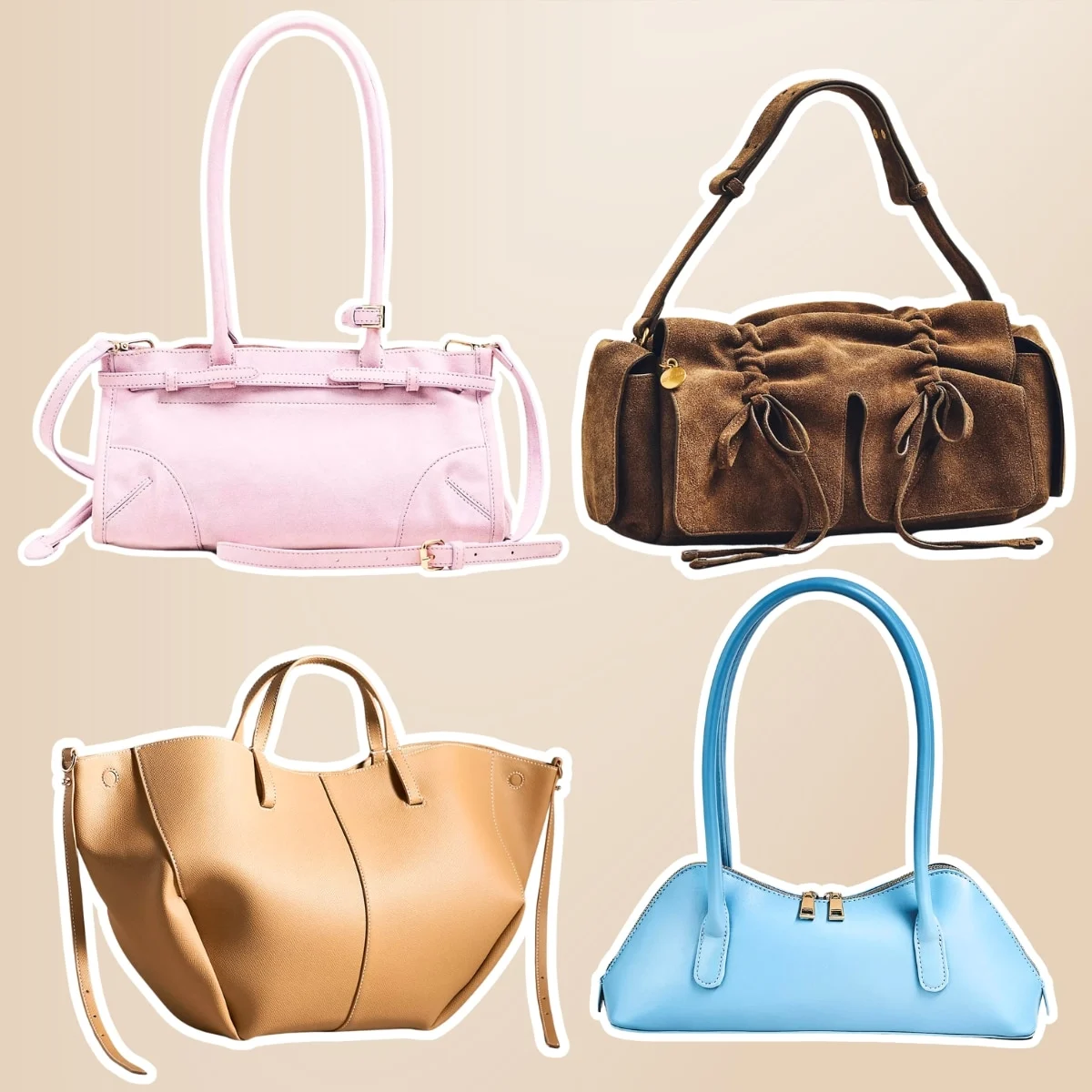
Main Facts
In an aggressive move to clear seasonal inventory and capture price-sensitive fashion consumers, lifestyle retailer Anthropologie has launched a major promotional campaign, offering an additional 50% discount on all items in its sale section. The discount, which is automatically applied at checkout, significantly lowers the barrier to entry for both independent designer labels and high-quality alternative silhouettes—often referred to in contemporary consumer culture as "dupes."
The promotional event comes at a critical juncture in the retail calendar, as brands transition from summer collections to pre-fall merchandise. By slashing prices on high-demand categories like handbags, Anthropologie is leveraging a "high-low" merchandising strategy. This approach mixes premium, artisan-crafted brands—such as Simon Miller, Bembien, Sensi Studio, and Mercedes Salazar—with highly sought-after, budget-friendly designs that mirror the aesthetics of ultra-luxury houses like Loewe, Acne Studios, Alaïa, and Polène.
Chronology
The Evolution of the Summer Sale Cycle
Traditionally, the retail sector adhered to rigid seasonal clearance timelines, with summer markdowns beginning in late July and extending into August. However, over the past decade, the rise of fast-fashion supply chains and real-time inventory tracking has compressed these cycles. Retailers now initiate deep promotional discounts earlier in the season to mitigate the carrying costs of unsold inventory and free up warehouse space for autumn shipments.
The Rise of "Dupe Culture" in Retail Curation
Historically, major retailers avoided carrying items that closely resembled high-end designer pieces to protect brand relationships and avoid intellectual property disputes. The timeline of this dynamic shifted dramatically between 2020 and 2024:
- 2020–2021: The proliferation of TikTok and Instagram popularized "dupe culture," transforming what was once a stigmatized market for knock-offs into a celebrated consumer trend focused on "smart shopping."
- 2022–2023: Mid-tier contemporary retailers observed that consumers were actively seeking affordable alternatives to viral luxury items, such as the Polène Cyme bag or the Acne Studios multi-pocket shoulder bag.
- 2024: Retailers like Anthropologie formalized this trend by curating inventory that explicitly caters to this demand, offering legally compliant, high-quality "inspired-by" designs alongside authentic independent designer goods.
Supporting Data
Product Analysis and Financial Breakdowns
To understand the economic scale of Anthropologie’s promotional campaign, it is necessary to examine the specific product offerings, their design inspirations, and their finalized promotional price points.
| Product Name | Brand | Aesthetic / "Dupe" Inspiration | Promotional Price (USD) | Key Features & Materials |
|---|---|---|---|---|
| Mico Bucket Bag | Mercedes Salazar | Loewe Raffia Series | $87.47 | Mini raffia tote, palm tree charm, artisanal Colombian craftsmanship |
| Suede Lopsy Bag | Simon Miller | Independent Designer (LA-based) | $149.97 | Genuine suede, slouchy silhouette, transitional seasonal appeal |
| Anouk Rattan Bag | Bembien | High-End Resort Wear | $119.97 | Handcrafted in India, woven rattan construction, vintage-inspired |
| Greer Structured Shoulder Bag | Anthropologie | Belted Tote (The Row / Hermès) | $39.97 | Faux-suede, elongated double straps, belted detailing |
| Fish Handbag | Sensi Studio | Novelty Luxury | $99.97 | Hand-woven in Ecuador, artisanal novelty design |
| Beaded Box-Shaped Bag | Anthropologie | Vintage / Retro Evening Wear | $44.97 | Boxy silhouette, intricate beadwork |
| Top-Handle Long Tote | Anthropologie | Polène Cyme Bag | $41.47 | Vegan leather, convertible straps, includes matching zippered pouch |
| Minnie Shirred Shoulder Bag | Damson Madder | Playful Scandinavian (Ganni-esque) | $33.47 | Embroidered detail, shirred shoulder strap, durable textile |
| Hudson Shoulder Bag | Dolce Vita | Acne Studios Multi-Pocket Bag | $97.47 | Faux suede, utility cargo pockets, scrunched silhouette |
| Dakota East West Shoulder Bag | Melie Bianco | Alaïa / Miu Miu East-West Trend | $39.97 | Vegan leather, elongated horizontal silhouette |
The Economics of the "High-Low" Mix
By offering authentic, hand-woven luxury items (such as Sensi Studio’s $99.97 fish bag) alongside vegan leather alternatives (such as the $41.47 Top-Handle Long Tote), Anthropologie appeals to two distinct consumer demographics simultaneously:
- The Connoisseur Shopper: Consumers who value origin, hand-craftsmanship, and independent designers, but who are waiting for steep discounts to justify the purchase.
- The Trend-Driven Shopper: Consumers seeking the aesthetic of a $500 to $2,000 luxury bag (e.g., Polène or Acne Studios) but who have a hard ceiling budget of under $100.
Official Responses and Industry Perspective
Retail Analyst Perspectives
Market analysts point out that aggressive clearance events like Anthropologie’s "extra 50% off" are essential toolkits for parent company URBN (which also owns Urban Outfitters and Free People).

"URBN has historically managed inventory volatility better than many of its competitors by utilizing multi-tiered discounting," says retail strategist Elena Thompson. "When Anthropologie applies an automatic 50% discount at checkout, it creates a psychological ‘gamification’ effect. The shopper perceives a level of savings that outweighs the hesitation of buying end-of-season goods."
The Ethical and Legal Boundaries of "Inspired-by" Fashion
The fashion industry has long grappled with the distinction between counterfeits, dupes, and inspired designs. Legal experts note that as long as a retailer does not copy trademarked logos, brand names, or patented utility designs, creating bags with similar shapes (like the East-West or multi-pocket silhouettes) is entirely legal.
Brands like Melie Bianco and Dolce Vita have built highly successful business models by rapidly translating runway trends into affordable, cruelty-free, or synthetic alternatives. This democratization of design is championed by consumers but remains a point of quiet tension for luxury houses that rely on exclusivity to justify premium pricing.
Implications
The structural shifts highlighted by Anthropologie’s promotional strategy carry significant implications for the broader fashion ecosystem.
The Erosion of the Luxury Premium
As high-quality alternatives become available at a fraction of the cost—such as a $41 vegan leather tote mimicking a $500 French designer bag—luxury brands face pressure to justify their high prices. While heritage houses rely on brand heritage, superior materials, and craftsmanship, the mass market’s rapid adoption of these silhouettes means that the visual novelty of a luxury bag fades much faster than it did in the past.
The Rise of Artisanal Sustainability as a Value Metric
Interestingly, the sale features brands like Sensi Studio and Mercedes Salazar, which emphasize ethical sourcing and hand-weaving by artisans in Ecuador and Colombia. As synthetic "dupes" saturate the market, true luxury is increasingly defined not just by price, but by the traceability and storytelling behind a product. Anthropologie’s inclusion of these brands in its sale section suggests that artisanal fashion is also subject to the pressures of the fast-paced retail cycle, offering a rare opportunity for conscious consumers to purchase ethically made goods at accessible prices.
The Future of Seasonal Retail
The success of early, deep-discount clearance events suggests that the traditional retail calendar is permanently altered. Consumers are increasingly trained to resist buying at full retail price, anticipating that inventory will be marked down rapidly. To survive in this environment, retailers must continuously balance high-margin, full-price product launches with high-volume, deeply discounted clearance events to maintain healthy cash flows and clear store shelves for the next micro-season.
 Sagoh
Sagoh
 Siti Muinah
 Nana
Nana
