

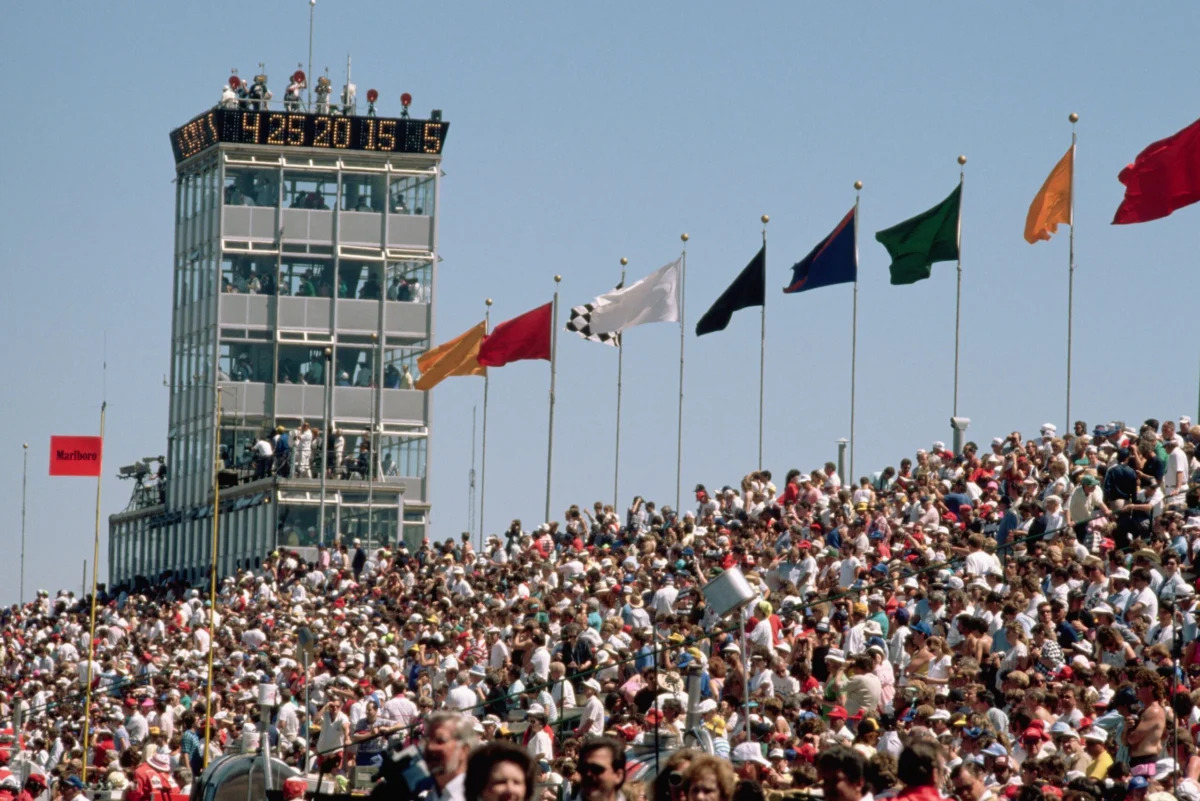
In the heart of the American Midwest, where the horizon stretches flat and the climate shifts with the rhythmic turning of the seasons, there exists a city that has redefined itself through the sheer force of athletic ambition. Indianapolis, often affectionately dubbed "Indy," is more than a geographic waypoint or a hub of interstate commerce. Over the past five decades, it has evolved into a global destination where the kinetic energy of sports is not merely a pastime—it is the city’s primary cultural engine.
When the NCAA Final Four descended upon the city this past April, the atmosphere was electric. The familiar soundtrack of the city—the sharp squeak of sneakers on hardwood, the roar of cheering crowds, and the rhythmic bounce of basketballs—provided a vibrant backdrop to a weekend that drew over 142,000 attendees. As the city’s population swelled by 15% in a matter of days, the usual logistical friction that plagues major event hosts was conspicuously absent. This was not luck; it was the result of a practiced, systematic approach to high-stakes hospitality.

A Legacy of Strategic Vision
Indianapolis’s current status as a premier sports destination is the culmination of a nearly 50-year campaign of intentional urban development. The cornerstone of this transformation was laid in 1979 with the formation of the Indiana Sports Corp. As the first organization of its kind in the United States, it brought together a coalition of government officials and private business leaders with a singular, audacious mandate: to turn Indianapolis into a world-class arena for professional and amateur sports.
The philosophy was simple yet daring: "Build it, and they will come." This mantra guided the city’s investment in massive infrastructure projects, such as the construction of the Hoosier Dome in the early 1980s to lure the Baltimore Colts. Years later, in 1999, the city successfully courted the NCAA to relocate its national headquarters from Kansas to White River State Park. By betting on itself, Indianapolis transformed from a quiet Midwestern town into a strategic player in the global sports economy, having hosted more than 500 major sporting events, including the Super Bowl, Olympic Trials, and multiple NBA and WNBA All-Star Games.

Chronology: From Racing Roots to Modern Dominance
To understand the trajectory of Indianapolis, one must look at its history, which is inextricably linked to speed and precision.
- 1909: The Indianapolis Motor Speedway is established, setting the foundation for the city’s reputation as a global hub for automotive racing.
- 1911: The inaugural Indianapolis 500 takes place, beginning a century-long tradition that remains a cornerstone of the city’s identity.
- 1979: The Indiana Sports Corp is founded, marking the beginning of the professionalization of the city’s sports-hosting capabilities.
- 1984: The relocation of the Baltimore Colts to Indianapolis signals the city’s arrival as a major league destination.
- 1999: The NCAA establishes its headquarters in Indianapolis, cementing the city’s role in collegiate athletics.
- 2024: The Indiana Fever experiences a historic attendance surge following the debut of Caitlin Clark, shifting the city’s focus toward the growth of women’s professional sports.
- 2026: Indianapolis hosts its ninth NCAA Men’s Basketball Championship, continuing a legacy of hosting that rivals the most storied cities in American sports history.
Supporting Data: The Economics of the Game
The financial impact of this sports-centric strategy is staggering. The NCAA Men’s Basketball Championships alone have been estimated to inject $400 million into the regional economy, drawing tens of thousands of visitors who sustain the city’s hospitality and retail sectors.

However, the numbers tell only part of the story. The 110th running of the Indianapolis 500 recently drew over 350,000 fans from all 50 states and 40 countries, marking its most successful attendance in a decade. Furthermore, the 2024 season saw a 260% surge in Indiana Fever game attendance, signaling a massive shift in public interest toward the WNBA. With the construction of a $78 million, 108,000-square-foot training complex—the largest dedicated facility in the WNBA—the city is clearly signaling that its future growth is tied directly to the rising prominence of women’s sports.
Official Perspectives: The Human Element
Behind the spreadsheets and architectural blueprints are the leaders who have guided Indianapolis through its transformation. Michael Kaltenmark, Vice President of Marketing at the Indianapolis Motor Speedway, speaks of the city’s DNA with a sense of reverence. "Every year we still sing ‘Back Home in Indiana,’ and at some point, I always cry," he notes, highlighting how deeply personal the city’s sports culture is for its residents.

Mel Raines, President of Pacer Sports and Entertainment, views the city’s current momentum through a lens of grounded optimism. Having been involved in the city’s sports operations since the lead-up to Super Bowl XLVI, she emphasizes the collaborative nature of the city’s success. "I don’t ever want to take it for granted," Raines says. "It’s a lot of intentional hard work to get to where we are today… I know that everybody’s in it together."
This collaborative spirit is evidenced by the "W.E. ARE Next" (Women Executives Are Next) initiative, which seeks to ensure that the next generation of leadership in sports management reflects the city’s values of inclusion and long-term vision.
.jpg)
Societal Implications: Bridging Past and Future
The evolution of Indianapolis is not limited to stadiums and arenas; it extends to the very fabric of its urban design. The expansion of the 8.1-mile Indianapolis Cultural Trail serves as a prime example of the city’s effort to correct historical imbalances. By extending the trail through the Madam Walker Legacy Center on Indiana Avenue—a historic hub of Black commerce that was fragmented by mid-century highway construction—the city is actively working to reconnect neighborhoods and restore accessibility.
This focus on connectivity is central to the city’s goal of becoming the "Women’s Sports Capital of the World" by 2050. In an era where women’s sports are finally receiving the financial and media attention they deserve, Indianapolis is positioning itself as a beacon of stability and growth. By investing in the infrastructure for the next generation of female athletes and executives, the city is ensuring its relevance for the next half-century.

A City of Joyful Collision
When Michigan secured the 87th NCAA Men’s Basketball Championship this April, the sight of blue and yellow confetti raining down on a stadium filled with tens of thousands of fans was a testament to the city’s unique character. It was a victory for a team built on the unconventional strategy of relying heavily on transfers—a bold bet that mirrors the city’s own history of taking risks before they become mainstream.
As the crowds funneled out of Lucas Oil Stadium, the atmosphere was one of chaotic, unbridled joy. There were fans singing, others cheering, and still others reflecting on the shared experience of the game. For a city that is known as the "Crossroads of America," Indianapolis has truly become a place of convergence. It is a city that does not merely watch from the sidelines; it actively shapes the game, inviting the world to participate in its ongoing, spirited evolution. Whether through the roar of the Indy 500 or the rapid ascent of the Indiana Fever, Indianapolis has proven that it is a city where sports, community, and vision collide to create something truly exceptional.
 Asro
Asro
