

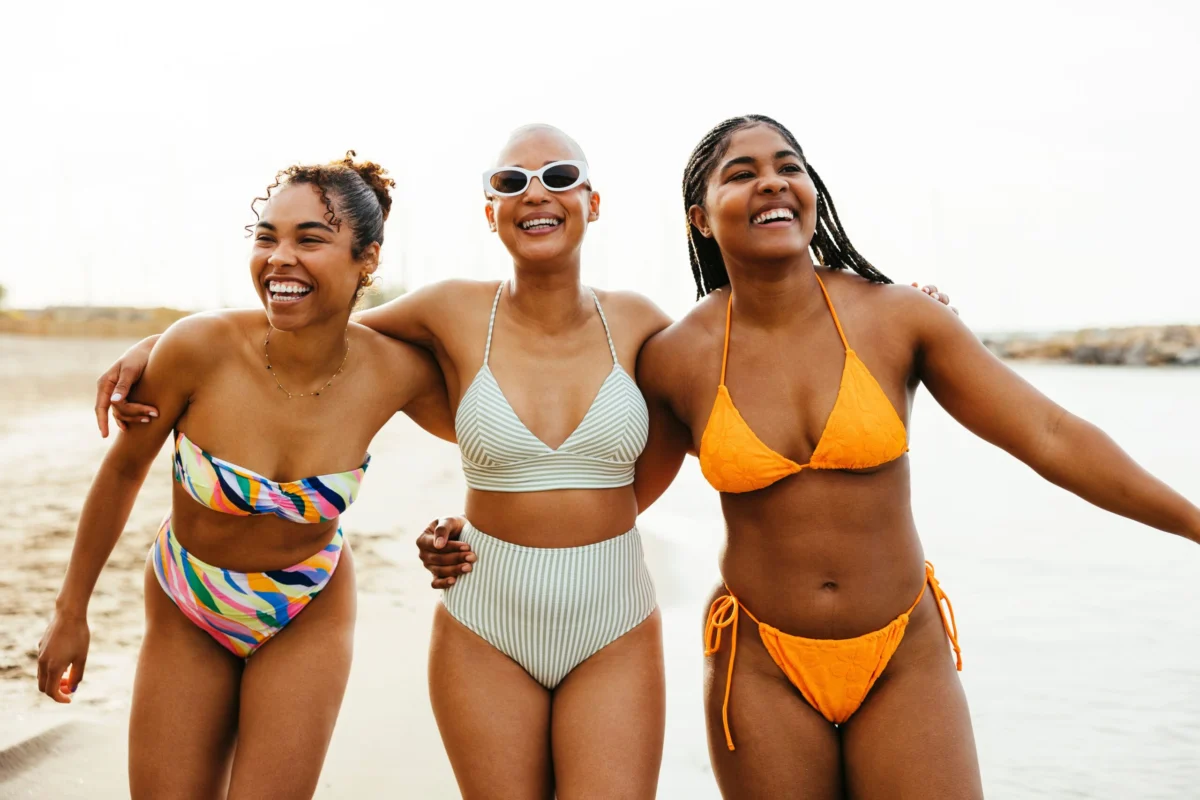
In the travel industry, the narrative has long been dictated by couples and families. We are intimately familiar with the "honeymoon," a post-nuptial celebration of partnership, and the "babymoon," a final getaway before the responsibilities of parenthood begin. But for the millions of single women navigating professional milestones, personal triumphs, and the complexities of adult life, the travel calendar has historically been devoid of a dedicated space to celebrate themselves.
Enter the "we-moon"—a transformative concept that encourages single women to gather their closest friends and embark on a celebratory journey to mark significant life achievements, from book deals and promotions to academic degrees. It is not merely a vacation; it is a declaration of self-worth and a recalibration of what it means to be supported.
The Genesis of the We-Moon
The concept of the we-moon stems from a realization that women are frequently expected to invest time and money into the milestones of others—weddings, bachelorette parties, and baby showers—while their own successes often go uncommemorated.
During a recent excursion to the Four Seasons Resort and Residences Anguilla, the author of this movement found herself surrounded by honeymooners. As she attempted to capture a photo of the Caribbean horizon, the frame was consistently filled with kissing couples. This visual contrast served as a catalyst: if couples have dedicated time to celebrate their unions, why shouldn’t single women have the same luxury to honor their personal journeys?
A we-moon is distinct from an average "girls’ trip." While a girls’ trip is often a casual getaway, a we-moon is intentional. It is a curated experience designed to acknowledge a specific life milestone, requiring the same level of planning, financial investment, and reverence as a traditional celebration of marriage or family.
Crafting the Perfect Celebration: A Strategic Approach
Pulling off a high-stakes, drama-free destination celebration requires more than just booking a flight. It requires a level of emotional intelligence and logistics planning that mirrors professional project management. To ensure the experience remains restorative rather than stressful, experts suggest several pillars of success.
1. The Architecture of Privacy
The most common friction point in group travel is the lack of personal space. In a honeymoon scenario, proximity is the objective; in a we-moon, the objective is a balance between communal joy and individual solitude.

Dr. Joy Harden Bradford, PhD, author of Sisterhood Heals, emphasizes that private sleeping quarters are non-negotiable for a successful group trip. "I think having a place where everybody can retreat and have alone time is really good if that is something the group can do," Dr. Bradford notes.
In the case of the Anguilla retreat, the group opted for a private villa rental. This allowed for the autonomy of a home—where one person could enjoy a quiet book on a balcony at sunrise while another opted for late-morning room service—without sacrificing the high-touch amenities of a luxury resort. The key is to establish these boundaries and budget expectations long before departure to avoid "luxury-gap" conflicts once the trip is underway.
2. The Fluidity of Itinerary
A common pitfall of group travel is the "overplanned" itinerary, which can lead to exhaustion. Dr. Bradford highlights that because many women use vacations as their only escape from a high-pressure lifestyle, there is an immense weight placed on the trip to be perfect.
To mitigate this, successful we-moons treat their itineraries as menus rather than mandates. During the Anguilla excursion, activities like poolside yoga were treated as optional. While some participants joined in, others utilized that time for rest, allowing for a personalized experience that honored individual needs. When activities are optional, the pressure to "perform" happiness dissipates, leaving room for genuine relaxation.
3. Fostering Growth through New Experiences
The we-moon serves as an ideal backdrop for cognitive and social stimulation. Whether it is a margarita-making class, a new water sport, or a local cultural tour, shared learning strengthens bonds. Research in neuroscience suggests that acquiring new skills supports brain health; however, the social benefit is equally significant. Attempting something new as a group provides a "social experiment" where failure is met with laughter rather than judgment, fostering a safe environment for the group to grow closer.
The Role of Vulnerability in Deepening Bonds
Perhaps the most crucial element of a we-moon is the intentional creation of space for "deep talk." In our daily routines, conversations are often fragmented by distractions, work, and social noise. Away from the routine, there is a rare opportunity to engage in the kind of vulnerability that sustains long-term friendships.
"If these are people that you’re actually hoping to grow closer to, then it is important to continue to go deeper with those relationships," says Dr. Bradford. "And that really requires a lot of vulnerability, which is really hard for people."

Setting the "mood" for this vulnerability is an art. It cannot happen in a crowded, noisy restaurant. It requires a curated environment—a quiet night in a hot tub, a sunset on a private deck, or a late-night fireside chat. By designating specific times for these conversations, the we-moon allows friends to process life’s complexities, from career anxieties to dating struggles, in a supportive, judgment-free zone.
Implications for the Travel Industry
The rise of the we-moon signals a shift in consumer behavior that the travel industry is beginning to recognize. For years, luxury resorts were designed almost exclusively for couples. The emergence of the "villa and residence" model, which combines the privacy of a home with the personalized concierge services of a five-star hotel, is a direct response to groups seeking to curate their own experiences.
This trend suggests that the market for solo women—and groups of single women—is significantly underserved. As more women reach financial independence and delay traditional milestones, the demand for "self-celebration" travel is expected to grow. Resorts that offer customizable packages for small groups—such as private cooking classes, guided wellness sessions, and villa-based dining—are positioning themselves to capture this lucrative and loyal demographic.
Conclusion: Reclaiming the Narrative
The we-moon is more than a trend; it is a movement toward reclaiming the narrative of one’s life. It challenges the societal convention that life’s most meaningful celebrations are reserved for romantic or family partnerships. By prioritizing the relationships that have weathered the storms of adulthood and creating space to celebrate individual professional and personal victories, women are crafting a new standard for self-care and community.
As the concept gains traction, it serves as a reminder that we do not need to wait for a ring or a baby to mark the milestones that make life worth living. Whether it is a promotion, a master’s degree, or simply the desire to reconnect with one’s self and one’s closest confidantes, the we-moon offers a blueprint for celebrating life on one’s own terms. In the end, the most important relationship we cultivate is the one we have with ourselves—and that is a milestone worth traveling for.
 Asro
Asro
 Suro Senen
 Azzam Bilal Chamdy
