

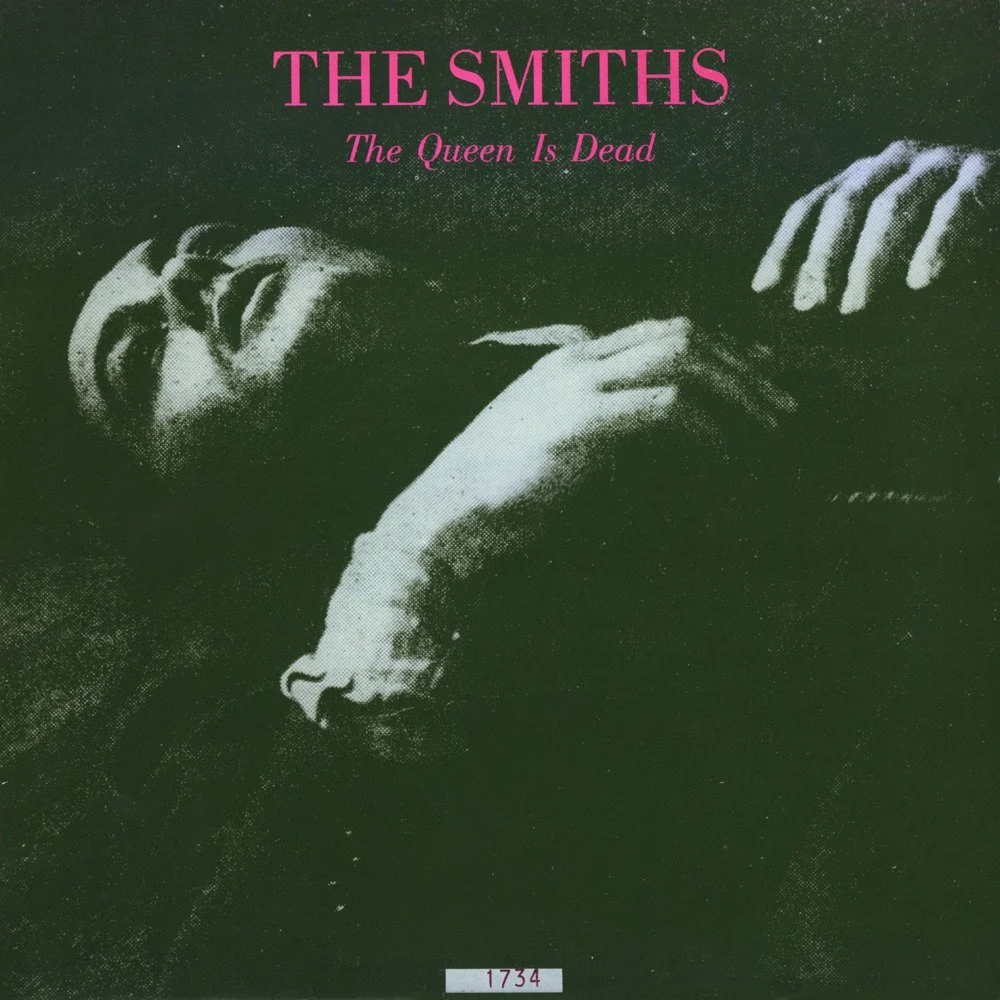
Thirty-seven minutes. That is the precise duration of The Queen Is Dead, an album that remains arguably the most potent distillation of British angst ever pressed to vinyl. Forty years ago, The Smiths released a record that dared to weave together the disparate threads of sleazy record industry politics, unrequited desire, regicide, existential dread, and the crushing weight of organized religion.
As we commemorate the 40th anniversary of this seminal work, it is clear that The Queen Is Dead was not merely an album of its time—a reaction to the socio-political climate of Margaret Thatcher’s 1980s—but a timeless manifesto of the outsider. Even four decades later, the music industry remains as shallow as the one Morrissey skewered in "Frankly, Mr. Shankly," and the world remains populated by the same moral crusaders he mocked in his youth.
The Anatomy of an Iconic Record
Released in June 1986, The Queen Is Dead served as the definitive follow-up to the band’s sophomore effort, Meat Is Murder. While that predecessor showcased the band’s political teeth, The Queen Is Dead solidified the sonic partnership between Johnny Marr’s intricate, jangling guitar arrangements and Morrissey’s hyper-literate, sardonic, and deeply vulnerable lyricism.
The record is a masterclass in tension and release. It functions as a 37-minute journey through the psyche of a frontman who was simultaneously desperate for fame and disgusted by the machinations required to achieve it. To understand the record, one must look at the specific vignettes that Morrissey crafted—each a short story of longing or spite.
A Track-by-Track Examination of the "Morrissey-est" Moments
The Title Track: Vitriol and Rebellion
Long before he utilized the internet to broadcast his acid-tongued open letters, Morrissey channeled his fury into "The Queen Is Dead." The track is a breathless, chaotic sprint through a lyrical hit list. From taking aim at religious institutions to conjuring the image of Prince Charles in drag, Morrissey was at his most provocative. He famously imagined "her very lowness with her head in a sling," a line that remains one of the most audacious anti-establishment declarations in rock history.
- The Morrissey Scale: Five open letters regarding the Canadian seal hunt.
"Frankly, Mr. Shankly": The Vanity of the Artist
"Frankly, Mr. Shankly" serves as a biting retort to Geoff Travis, the head of Rough Trade Records. It captures the quintessential Morrissey paradox: the man who claimed to despise the music industry while simultaneously craving its validation. He mocks the label head’s artistic sensibilities, dismissing him as a "flatulent pain in the ass," yet the song culminates in a desperate request for financial security. It is a brilliant, self-aware critique of the artist as both a martyr and a businessman.
- The Morrissey Scale: Nine hairdressers on fire.
"I Know It’s Over": The Weight of Solitude
If the album has a heart—or perhaps a gaping wound—it is "I Know It’s Over." This six-minute ballad is arguably the most devastating composition in the band’s catalog. Stripped of his usual wit, Morrissey explores the hollow ache of loneliness. The bridge, where the narrator interrogates his own worthiness, is a masterclass in emotional vulnerability. It remains the song that separates the casual listener from the devotee.
- The Morrissey Scale: Ten double-decker buses crashing into the listener.
"Cemetry Gates": The Literary Muse
In "Cemetry Gates," The Smiths bridged the gap between indie rock and Victorian literature. By referencing John Keats, W.B. Yeats, and Oscar Wilde, Morrissey cemented his reputation as the patron saint of the bookish outsider. The track serves as a meditation on mortality, where the narrator wanders through Manchester’s Southern Cemetery. His conclusion—"They were born and then they lived and then they died"—is a stark, nihilistic realization that highlights the absurdity of the "loves and hates" that consume our short lives.
- The Morrissey Scale: Ten lovers entwined, passing by in the mist.
"Bigmouth Strikes Again": The Martyrdom Complex
Morrissey’s public persona has often been defined by his tendency to create enemies. From his well-documented feuds with contemporaries like Robert Smith to his controversial statements that drew the ire of the NME and Scotland Yard, he has never shied away from the spotlight. In "Bigmouth Strikes Again," he leans into his identity as a misunderstood figure, comparing himself to Joan of Arc. It is a moment of supreme ego that simultaneously captures the thrill of speaking one’s mind, regardless of the consequences.
- The Morrissey Scale: Nine sweaty Prada shirts tossed into a crowd.
"The Boy with the Thorn in His Side": The Insecurity of Youth
This track encapsulates the paralyzing uncertainty of growing up. It speaks to the feeling of being an outsider looking in—the sensation that everyone else was handed a manual for life while you were left to decipher it alone. It is the anthem of the misunderstood, capturing the terror of trying to define oneself in a world that demands conformity.
- The Morrissey Scale: Seven girls afraid of their own shadows.
"Vicar in a Tutu": A Campy Subversion
Often misunderstood as a band of pure gloom, The Smiths possessed a wicked, campy sense of humor. "Vicar in a Tutu" is the clearest example of this, depicting a man of the cloth who finds liberation in feminine attire. Morrissey treats the image with a strange, respectful absurdity, noting that the act is "as natural as sin." It is a testament to his ability to find beauty in the unconventional.
- The Morrissey Scale: Three girlfriends in comas.
"There Is a Light That Never Goes Out": The Ultimate Anthem
This is the song that transformed The Smiths from a cult band into a generational touchstone. It captures the intimacy of a car ride and the overwhelming, terrifying nature of deep affection. The narrator’s willingness to face death simply to remain by a lover’s side is the pinnacle of the "Morrissey aesthetic." It is the rare song that feels like a collective secret shared between millions of people.
- The Morrissey Scale: Ten gladiolus bouquets.
"Some Girls Are Bigger Than Others": The Final Curtain
Ending the album with a track about man’s oldest, most base fixation is a classic Morrissey move. He sounds bored, detached, and slightly irritated by the physical reality of desire. Yet, it serves as the perfect palate cleanser after the emotional intensity of the preceding tracks. It grounds the listener back in the mundane reality of the human condition.
- The Morrissey Scale: Three buck-toothed girls in Luxembourg.
Supporting Data and Cultural Impact
The cultural footprint of The Queen Is Dead cannot be overstated. Upon its release, it reached number two on the UK Albums Chart and remained in the charts for 22 weeks. More importantly, it redefined the sound of the 1980s. Johnny Marr’s influence on guitar-based music is perhaps only matched by the influence of Morrissey’s lyrics on the "emo" and "indie-pop" genres that would flourish in the decades to follow.
Music critics have consistently ranked the album among the greatest of all time. In 2013, NME placed it at the top of their "500 Greatest Albums of All Time" list. Its legacy is found in the DNA of bands ranging from The Decemberists to Belle and Sebastian, all of whom owe a debt to the way The Queen Is Dead legitimized the "literate pop song."
Official Responses and Modern Legacy
While Morrissey has been a polarizing figure in recent years due to his political commentary and public outbursts, his former bandmates have generally maintained a more reserved stance. Johnny Marr has consistently spoken about the creative magic of that era, often citing the chemistry between himself and Morrissey as a once-in-a-lifetime occurrence.
The estate of The Smiths and the remaining members have navigated the 40th anniversary with a mix of celebration and distance. While there have been no official "reunion" tours—an event most fans have accepted will never happen—the re-release of remastered versions of the album continues to sell to a new generation of listeners who find the same solace in these songs that their parents did in 1986.
Implications for the Future
As we look back at 40 years of The Queen Is Dead, the implications for the future of rock music are clear: authenticity, even when it is ugly or petty, remains the most valuable currency an artist can possess. The album serves as a permanent record of a specific moment in British history, but its emotional resonance is universal.
Whether you view Morrissey as a brilliant poet or a flawed provocateur, the music remains beyond reproach. The Queen Is Dead taught a generation that it was okay to be miserable, that it was okay to be vain, and that it was okay to look for the light, even when you’re convinced it’s never going to shine. For 37 minutes every time we press play, the pleasure, and the privilege, remain ours.
 Muslim
 Pevita Pearce
 Evan Lee Salim
