

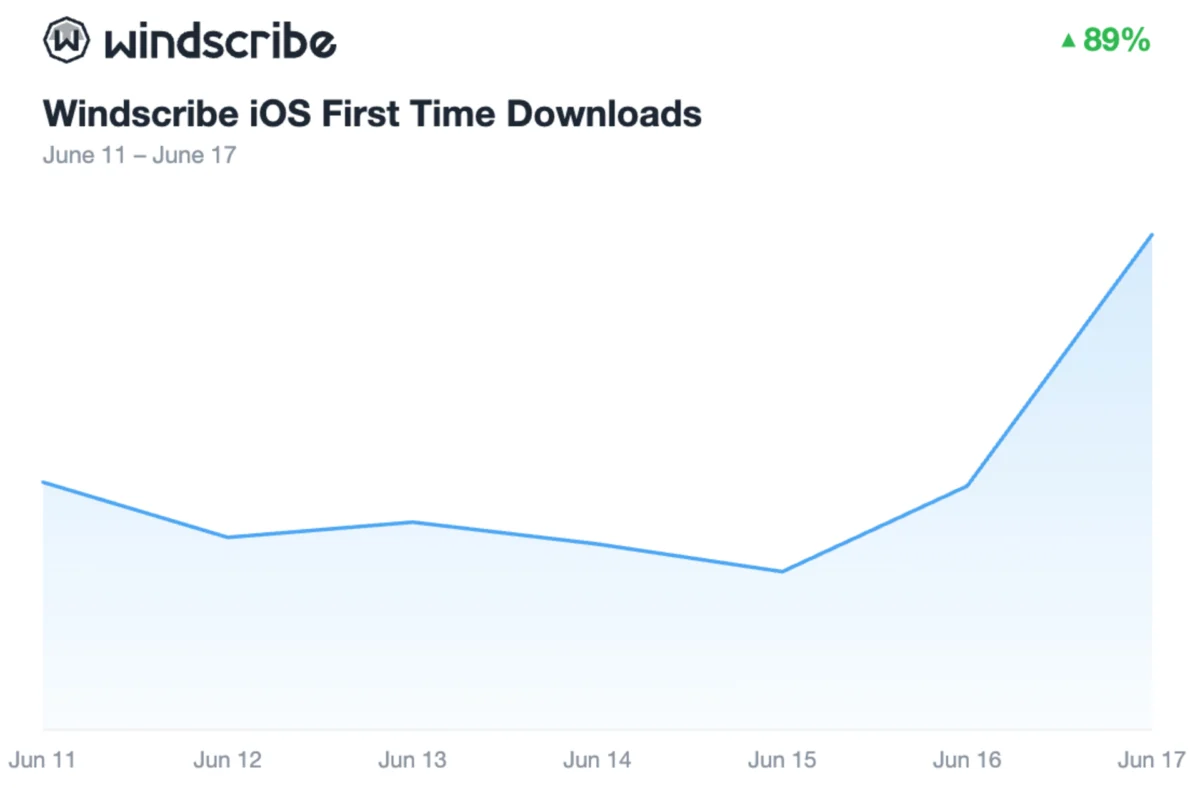
In an unprecedented move that has sent shockwaves through India’s digital landscape, the government recently implemented a week-long block on the popular messaging application Telegram. Ostensibly initiated to curb the rampant spread of fraudulent content and illicit exam-related materials ahead of the National Eligibility cum Entrance Test (NEET-UG)—the country’s largest medical entrance examination—the restriction has inadvertently triggered a massive surge in the demand for digital circumvention tools.
As millions of users found themselves locked out of their primary communication channels, the nation saw an overnight explosion in the adoption of Virtual Private Networks (VPNs) and alternative messaging platforms. The development has sparked a heated national debate regarding the balance between government-mandated security measures and the digital rights of millions of citizens.
A Chronology of the Crisis
The friction between the Indian government and Telegram reached a boiling point in mid-June 2026. Following reports that criminal elements were using the platform to disseminate fake question papers and orchestrate scams targeting students, authorities moved to impose a temporary block on the service.
- June 16: The Indian government officially enforces a restriction on Telegram access, citing the urgent need to protect the integrity of the upcoming NEET-UG re-test.
- June 17: The impact is immediate. App intelligence firms report a massive spike in VPN downloads as users attempt to bypass the block. Hourly registration rates for privacy-focused services reach record highs.
- June 18: Telegram, represented by its legal counsel, petitions the Delhi High Court. The company argues that a blanket ban is disproportionate and unfairly penalizes its 150 million-strong user base in India, suggesting that targeted content removal would be a more precise alternative.
- June 19: Despite the company’s arguments, public discourse intensifies as users continue to experiment with alternative platforms like Signal and Viber.
- June 20: The Delhi High Court holds its final deliberations on the matter, weighing government security concerns against the freedom of digital access.
- June 21: The court officially upholds the government’s restriction, validating the administrative procedures followed during the emergency order.
Supporting Data: The VPN and Migration Surge
The data provided by industry analysts paints a vivid picture of a populace actively resisting the digital blockade. According to Appfigures, an app intelligence firm, Tuesday, June 16, witnessed the largest single-day surge in VPN downloads in India since at least the beginning of 2025.
The VPN Boom
Major VPN providers saw their market share and daily active user counts skyrocket. On average, downloads of major VPN applications jumped by 49%, climbing from a daily baseline of approximately 139,000 to a staggering 208,000.
The growth was not limited to small niche providers:

- Proton VPN: Experienced a 113% increase in downloads on Apple’s App Store and a 64% rise on the Google Play Store. The service climbed to 5th place in the Utilities category on iOS and 2nd in the Tools category on Android.
- Turbo VPN: Saw an 85% increase on the App Store and 35% on Google Play.
- NordVPN and ExpressVPN: Also saw double-digit growth, with increases of 41% and 31%, respectively.
Beyond raw download numbers, registration data highlighted the intensity of the migration. Proton reported that daily registrations in India rose 120% above baseline levels, while hourly registrations saw an even more dramatic 150% spike on the evening the ban was announced. Windscribe, a Canadian provider, corroborated this, reporting that signups peaked at 100% above baseline levels, with iOS app downloads rising 89%.
Messaging Alternatives
The restriction also forced a migration to other platforms. Signal witnessed a massive influx, with downloads rising 72% on the Apple App Store and a monumental 322% on Google Play. Viber saw a 216% jump in iOS downloads. Most notably, the Telegram-linked messaging app "iMe" saw its daily Google Play downloads skyrocket from a mere 827 to over 50,000 in a single day.
Official Responses and Legal Arguments
The legal battle in the Delhi High Court highlighted a fundamental clash of philosophies.
Telegram’s Stance
Telegram’s defense centered on the principles of proportionality and accountability. Legal representatives for the platform asserted that the company had proactively cooperated with authorities by removing specific channels identified as sources of fraudulent activity. They questioned the necessity of a total platform-wide blackout, which, they argued, affected more than 150 million legitimate users who rely on the app for business, education, and personal communication.
The Government’s Justification
The Indian government, led by Solicitor General Tushar Mehta, defended the block as a time-bound, emergency response. The government maintained that given the sensitivity of the NEET-UG examination, a "logical nexus" existed between the restriction and the goal of preventing widespread fraud. They argued that while a permanent ban would indeed be disproportionate, the temporary measure was a necessary evil to ensure the sanctity of the examination process.
The Judicial Verdict
The Delhi High Court’s decision to uphold the block served as a reinforcement of the government’s emergency powers. The court concluded that the authorities had acted within the scope of prescribed legal procedures, acknowledging the "emergency nature" of the threat posed by the exam-related scams.

Implications for Digital Policy and Freedom
The fallout from this event raises critical questions about the future of internet governance in India and globally.
The "Balkanization" of Digital Access
This incident follows a troubling global trend where governments increasingly resort to platform-wide restrictions to solve localized issues. Similar patterns have been observed in countries like Iran and Russia, and even in the United States, where discussions regarding the removal of platforms like TikTok have historically led to similar spikes in VPN adoption. The data suggests that when a government restricts a platform, it does not necessarily stop usage; rather, it forces the user base to become more technically sophisticated.
The Persistence of Usage
Data from Cloudflare Radar and Sensor Tower indicates that the block did not immediately result in the cessation of Telegram usage. In fact, Sensor Tower noted a 17% increase in daily active users on the day the measure was announced—the largest single-day rise since the 2021 Meta outage. This suggests that the announcement itself served as a catalyst for "backdoor" access, as users flooded the platform to verify if it was still working or to move their data elsewhere before a total shutdown.
The spike in DNS requests for Telegram domains, as noted by Cloudflare, further confirms that millions of Indians were actively attempting to circumvent the blockade rather than abandoning the app entirely.
Future Challenges for Tech Policy
For the Indian government, the challenge remains: how to combat criminal activity on encrypted messaging platforms without infringing on the privacy and connectivity of the general public? The "Telegram Incident" of 2026 serves as a case study in the limitations of traditional, heavy-handed regulation in a hyper-connected digital age.
As VPN usage becomes normalized among the Indian public, the effectiveness of future platform-wide bans is likely to diminish. The incident has arguably accelerated the "digital literacy" of the average user, who now views VPNs as an essential component of their mobile toolkit. Moving forward, the policy debate will likely shift toward more surgical methods of content regulation, as the current model of total platform blocks appears to be a blunt instrument that yields diminishing returns in an increasingly savvy digital market.
 Asep Darmawan
 Siti Muinah
 Ali Ikhwan
