

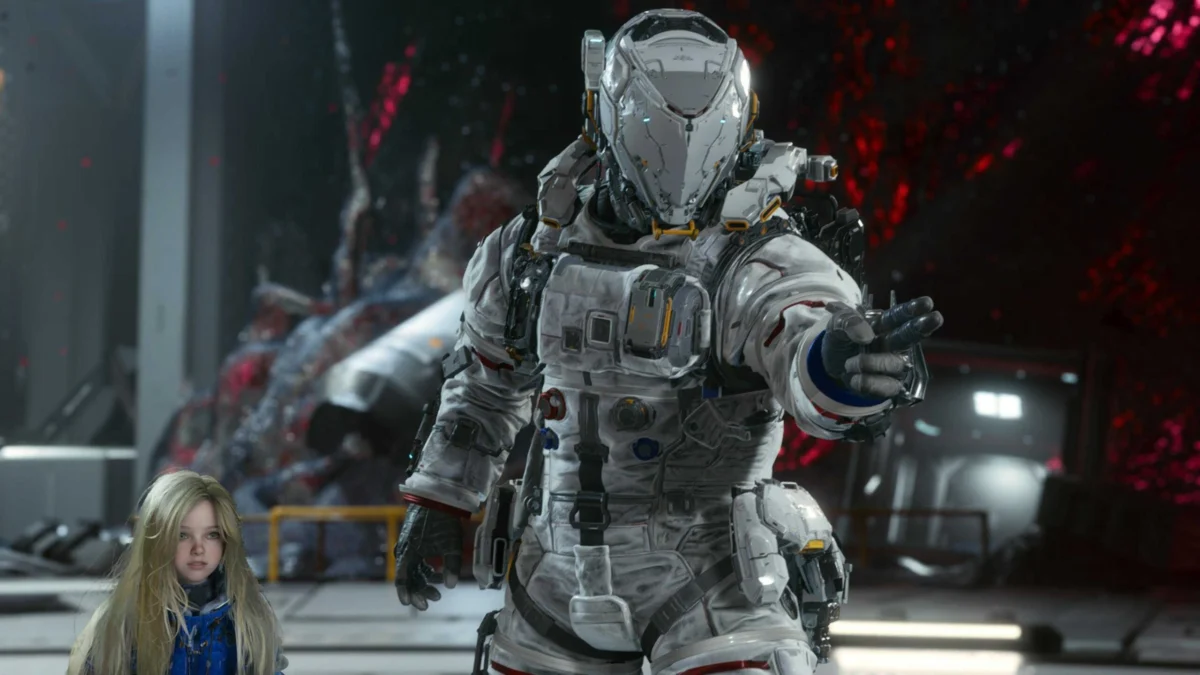
As we crest the halfway point of 2026, the video game industry finds itself in a state of unprecedented creative abundance. While the calendar was long circled by enthusiasts anticipating heavy-hitting blockbusters like Grand Theft Auto 6, Resident Evil Requiem, and Marvel’s Wolverine, the true narrative of this year has been the remarkable consistency of both AAA tentpoles and innovative indie gems.
A truly great year in gaming is rarely defined solely by the titles with the largest marketing budgets; it is defined by the depth of the ecosystem. So far, 2026 has delivered a steady stream of "bangers"—games that challenge our expectations of genre, narrative, and mechanical complexity. As of June 19, 2026, we find ourselves with a release roster so strong that a year-end "Best of" list could be compiled today with little hesitation.
The Criteria for Excellence
To maintain journalistic integrity, we have established a strict protocol for inclusion in this mid-year assessment. For a game to be considered among the best of 2026, it must have been in the hands of the public for at least three weeks. This "cooling off" period ensures that we are evaluating sustained quality rather than the fleeting excitement of a launch-day hype cycle. Furthermore, these selections are not merely the musings of a single critic; they represent a consensus of quality, widely recognized across our editorial team and supported by critical reception.
A Chronological Survey of 2026’s Finest
The following titles have defined the first six months of the year, listed in reverse-chronological order to highlight the most recent contributions to our medium.

1. Mina the Hollower (May 29)
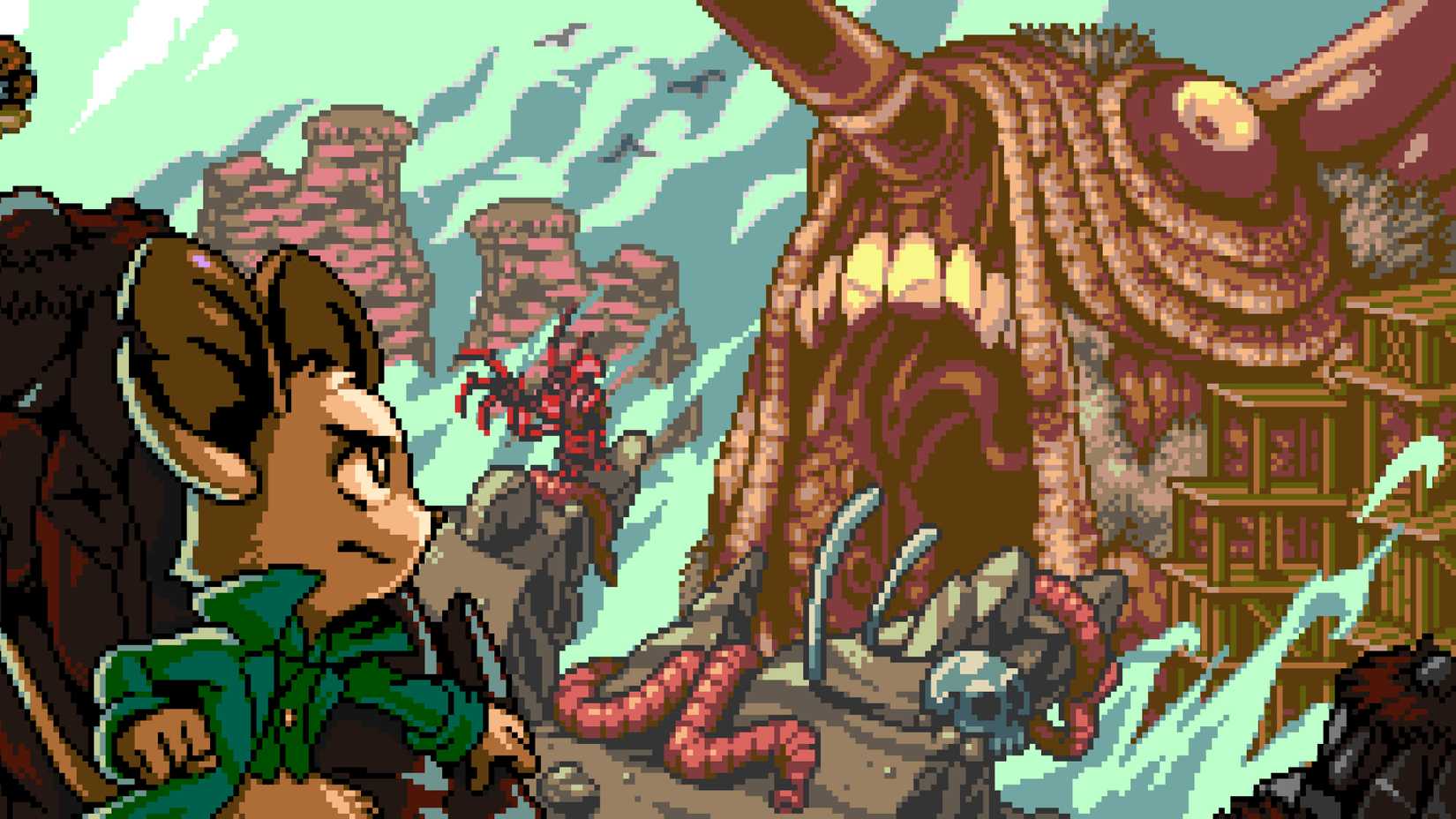
Yacht Club Games has once again proven their mastery of retro-inspired design. Mina the Hollower is far more than a nostalgic nod to the 8-bit Zelda era; it is a sophisticated reinvention of the top-down adventure format. By integrating the deliberate, high-stakes combat mechanics reminiscent of Bloodborne into a retro framework, the developers have crafted a masterclass in design synthesis. As noted in our review, Mina the Hollower serves as the perfect bridge between 1980s foundational design principles and modern, challenging combat systems.
2. 007 First Light (May 27)
After a decade-long drought of high-quality James Bond titles, IO Interactive has stepped into the breach with 007 First Light. By marrying the cinematic pacing of the Uncharted series with the immersive, systems-driven sandbox design for which IO is famous, the studio has delivered a definitive Bond experience. The performance by Patrick Gibson, which grounds the origin story in a youthful, quick-witted, yet vulnerable iteration of 007, elevates the title from a simple shooter to a character-driven action epic.
3. Titanium Court (April 23)
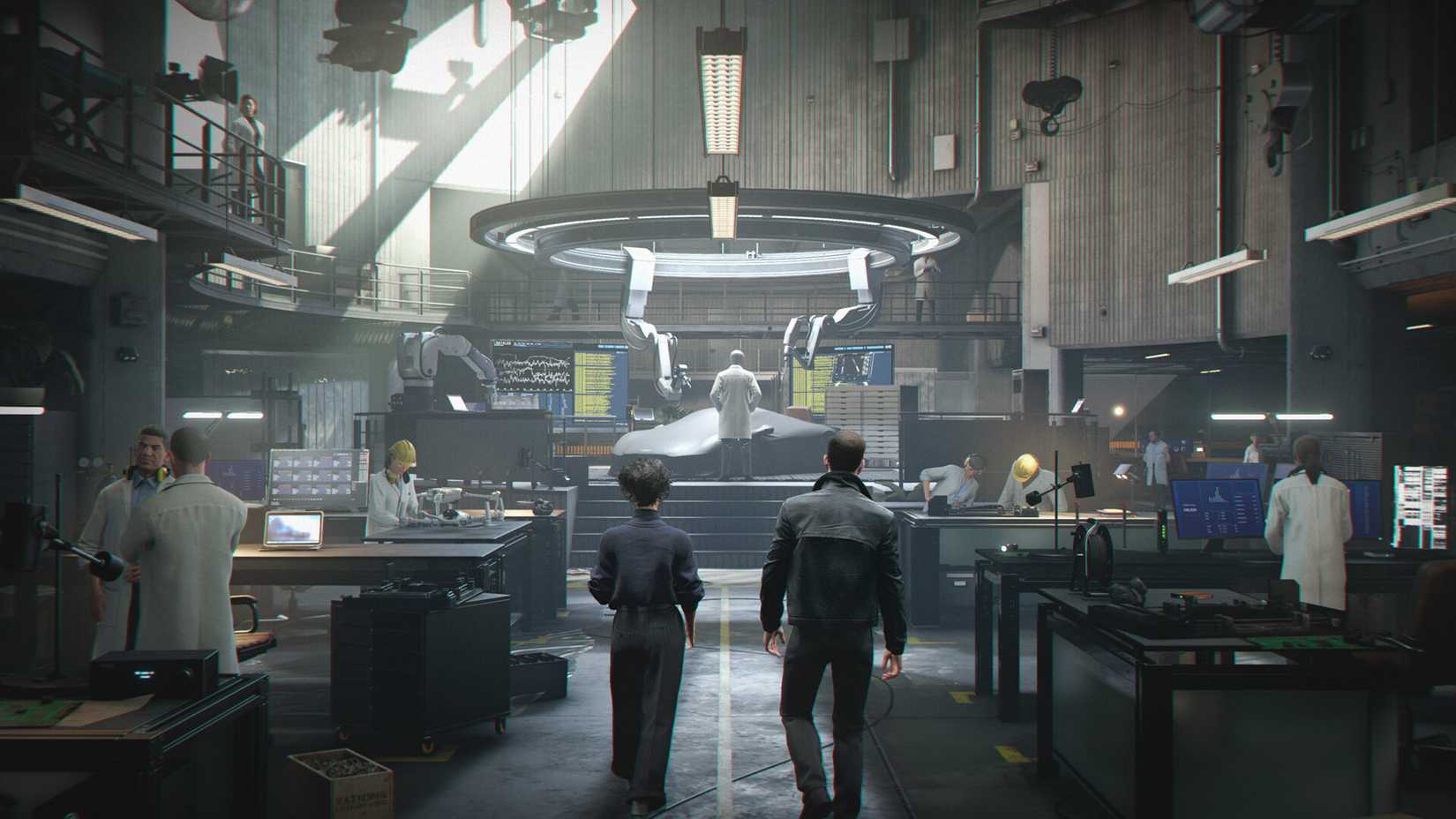
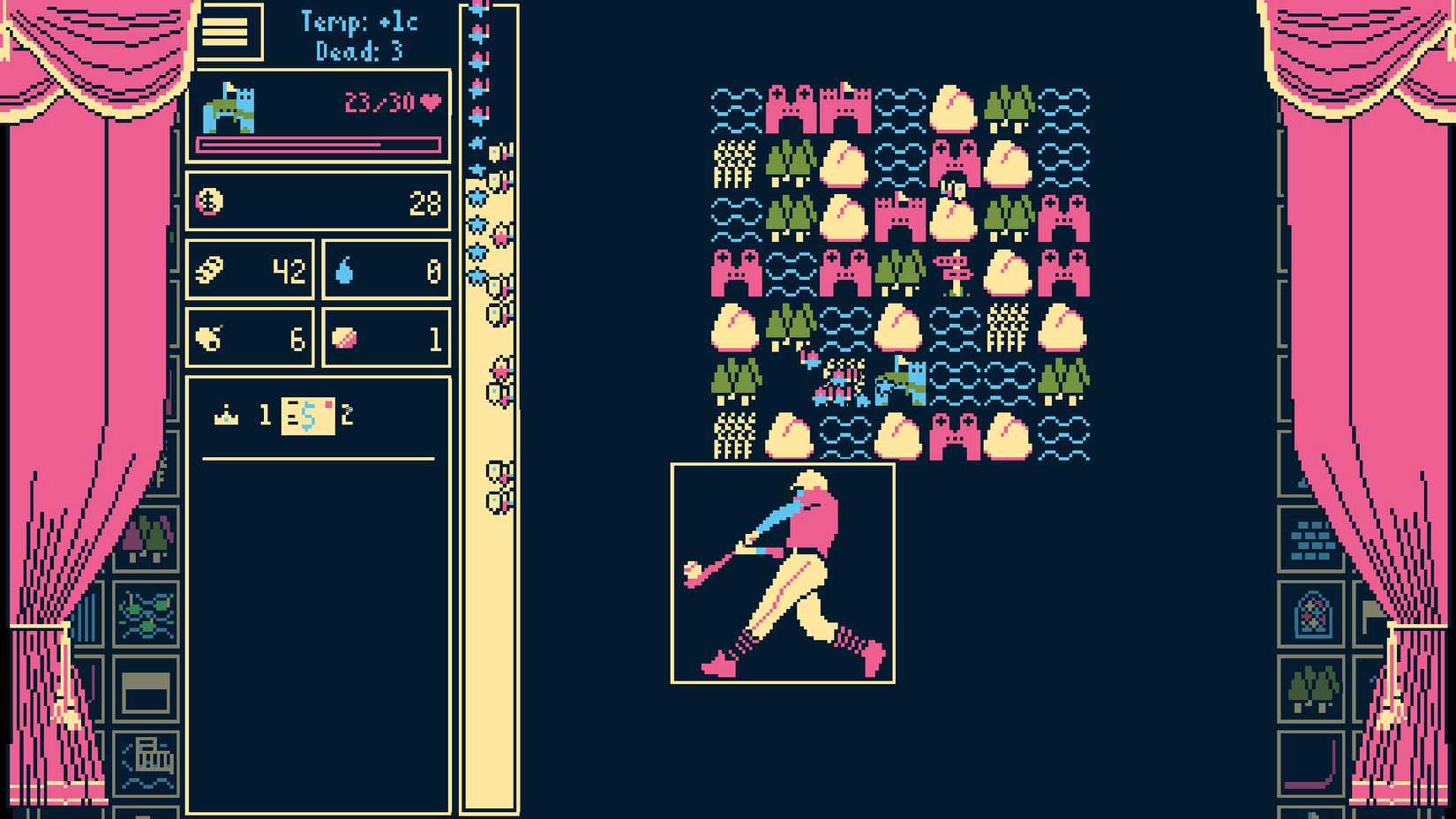
The Seumas McNally Grand Prize winner for 2026 is an exercise in delightful subversion. Titanium Court defies easy categorization, blending match-three mechanics with roguelike tower defense. It is an absurdist comedy that treats game design literacy as a playground. To play Titanium Court is to engage with a work that feels like a collision between Shakespearean drama and the compulsive loop of a modern puzzler.
4. Pragmata (April 17)
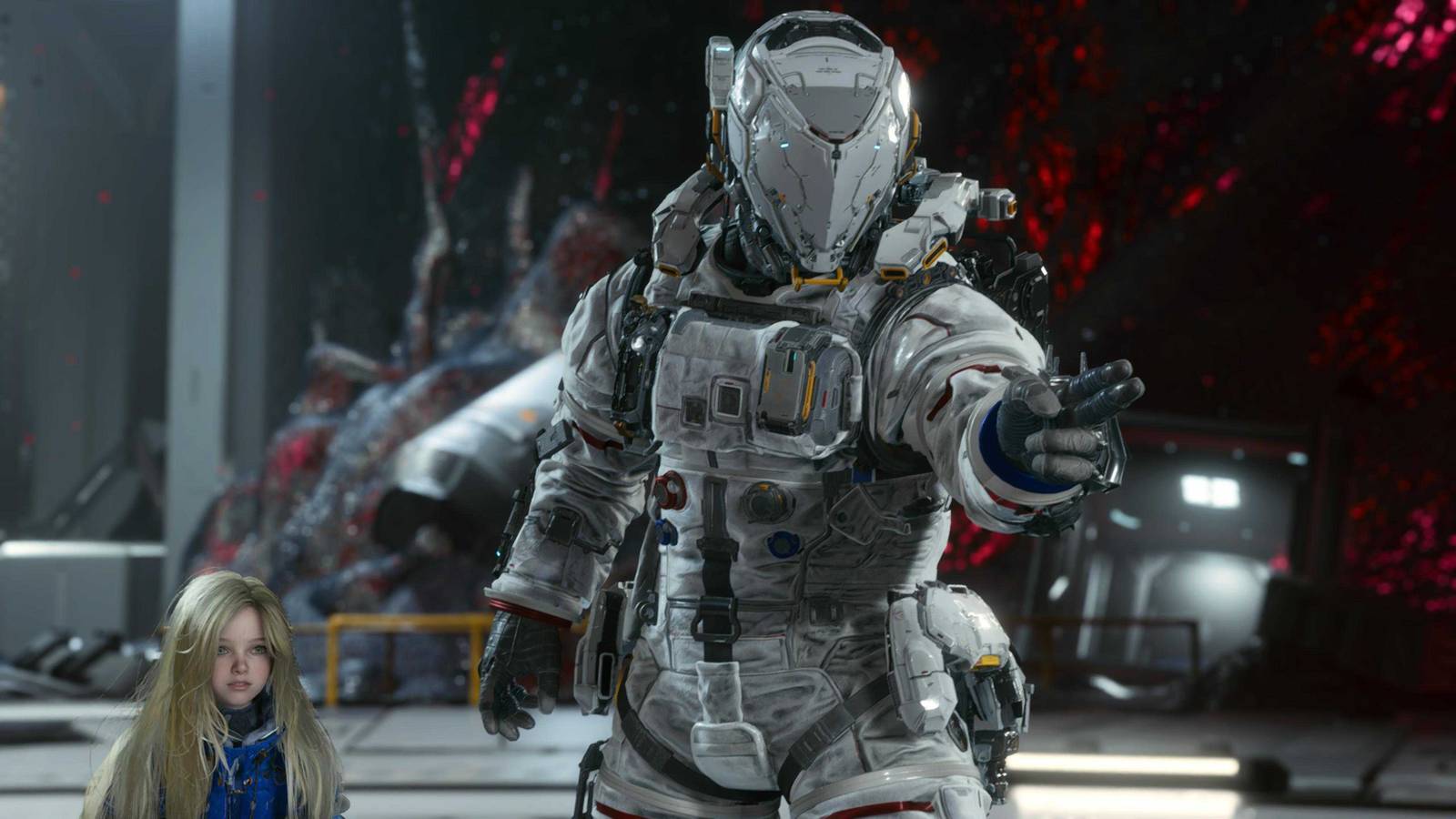
Capcom’s 2026 output has been nothing short of legendary. Pragmata stands out as a deceptively complex sci-fi shooter. While the surface-level marketing suggested a standard action title, the actual gameplay features an ingenious bot-hacking mechanic that forces players to solve spatial puzzles under the intense pressure of combat. It is this unique intersection of mental agility and mechanical skill that makes Pragmata feel like a landmark entry in the genre.
5. Tomodachi Life: Living the Dream (April 16)
Nintendo’s latest life simulation is less of a structured game and more of a reality TV generator. By providing players with an expansive, flexible set of tools, the game encourages the creation of surreal, "Mad Libs"-style social experiments. As we’ve observed, the joy of Tomodachi Life lies in the player’s ability to outsmart the simulation rather than control it, turning every screenshot into a testament to the game’s inherent, filterless absurdity.
6. Marathon (March 5)
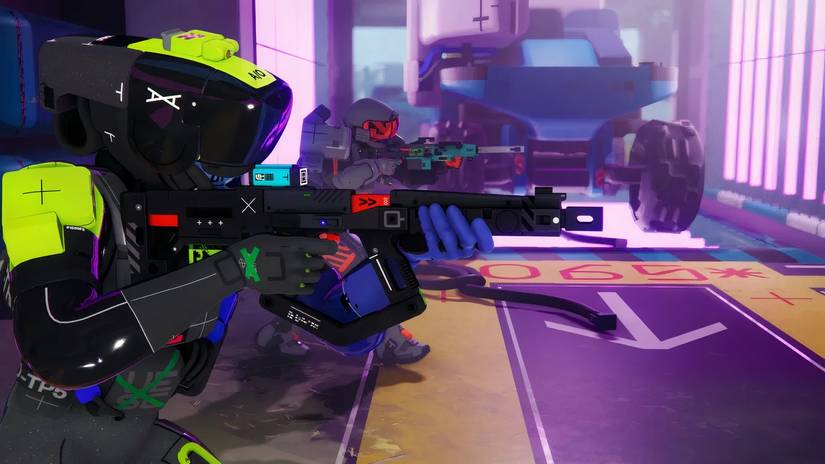
Bungie’s entry into the extraction shooter space is a slow-burn masterclass in atmosphere. While the initial learning curve is steep—characterized by a dense UI and complex, layered systems—those who persevere are rewarded with one of the most tense, high-stakes multiplayer experiences currently available. Marathon is fundamentally a game about tactical restraint; success is rarely about individual prowess and almost always about the careful assessment of risk versus reward.
7. Pokémon Pokopia (March 5)
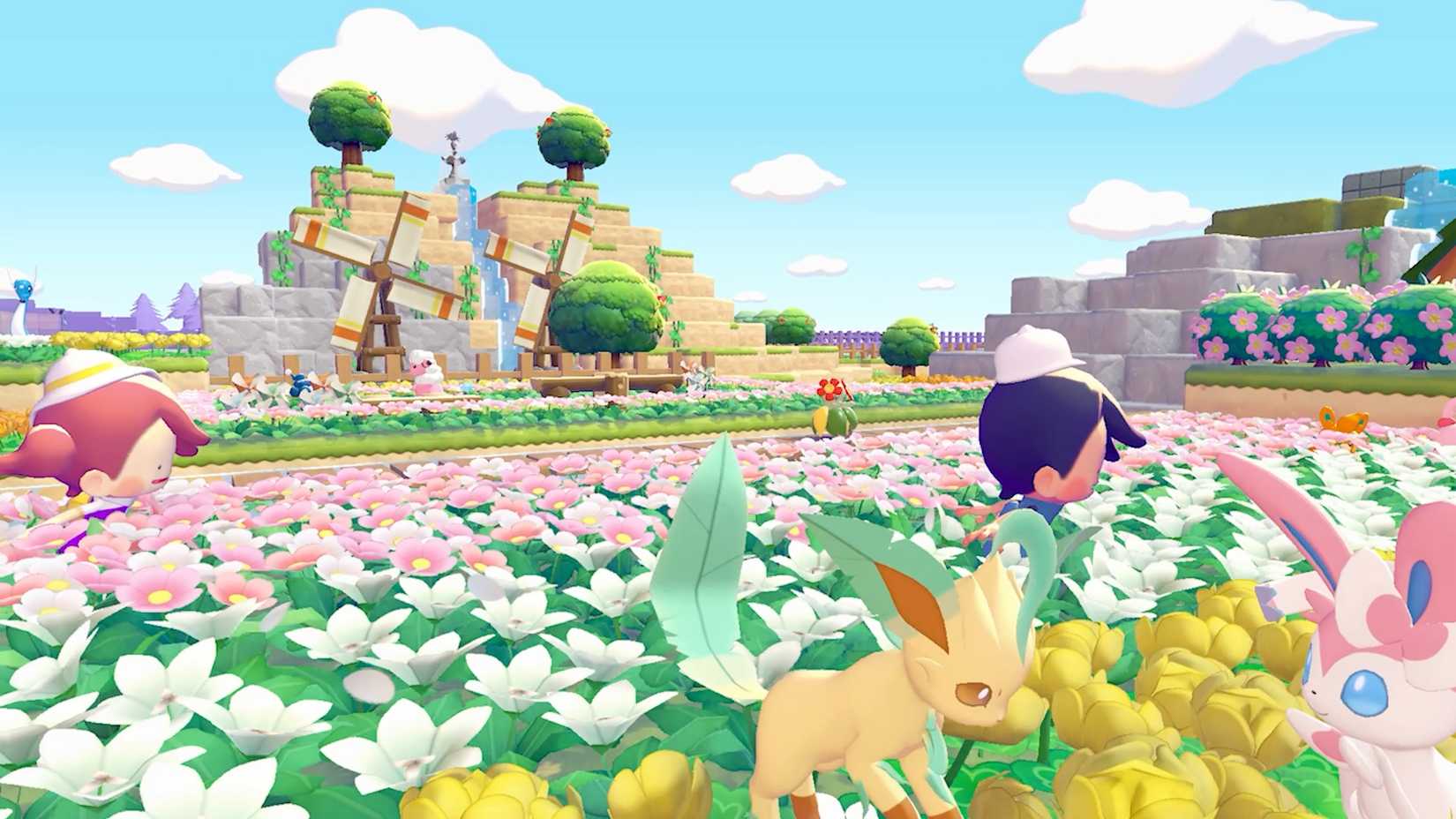
Developed in collaboration with Omega Force, Pokémon Pokopia is the cozy life-sim fans didn’t know they needed. Moving away from the combat-heavy focus of the main series, Pokopia asks players to protect their Pokémon, emphasizing the creation of habitats and emotional bonds. It is a heartfelt, sincere departure that changes the fundamental relationship between the player and their collection of monsters.
8. Resident Evil Requiem (February 27)
Resident Evil Requiem functions as a dual-narrative powerhouse. By splitting the experience between the terrifying, intimate survival horror of Grace Ashford’s escape and the high-octane, grief-laden return of Leon S. Kennedy to Raccoon City, Capcom has produced a game that is both mournful and exhilarating. It is a profound exploration of survivor’s guilt and the lingering trauma of the Raccoon City incident.

9. Reanimal (February 13)
Tarsier Studios, the architects of the Little Nightmares series, have reached the zenith of their aesthetic potential with Reanimal. This co-op horror experience is a visual and atmospheric tour de force. It manages to balance visceral, nightmare-inducing imagery with a level of artistic beauty that feels almost contradictory. It is, quite simply, one of the most hauntingly beautiful games of the decade.
10. Mewgenics (February 10)
Edmund McMillen’s Mewgenics is a testament to the power of the "passion project." A cat-breeding tactics-roguelike, the game is overflowing with mechanics that offer endless depth. It manages to walk a razor-thin line between juvenile humor and complex strategic depth, creating a feedback loop that is as addictive as it is intellectually demanding.
Implications for the Industry
The success of these titles suggests a broader shift in the industry. We are seeing a move away from the "one size fits all" blockbuster model. Instead, developers are finding success in niche-crossing genres, high-concept indies, and games that respect the player’s intelligence by offering complex, opaque systems that require patience to master.
From the technical prowess seen in Pragmata to the emotional resonance of Resident Evil Requiem, the developers of 2026 are demonstrating that risk-taking is the most effective way to engage a modern audience. As we look toward the latter half of the year, the momentum established by these ten titles sets a high bar for the industry at large.
Looking Forward
While we will save our final year-end rankings for December, the current landscape of 2026 is undeniably strong. We will continue to monitor these titles and upcoming releases, providing periodic updates as the year progresses. Whether you are a fan of high-stakes extraction shooters, cozy sims, or atmospheric horror, 2026 has already solidified its place in the annals of gaming history as a year of remarkable, relentless quality.
The "nonstop bangers" of the first half were not merely coincidental; they are the result of a maturation of development pipelines and a willingness to innovate. If the trend holds, the final tally for 2026 will be remembered for years to come.
 Basiran
 Nana Muazin
 Layla Zulfa
