

The Lincoln Memorial Reflecting Pool stands as one of the most solemn and iconic landmarks in the United States. A site of historic marches, quiet reflection, and national pride, it has long served as the visual anchor of the National Mall. However, a recent, high-profile restoration effort has spiraled into a public relations disaster, drawing sharp criticism from political satirists and public observers alike. Following a multimillion-dollar renovation initiative championed during the administration of Donald Trump, the pool has succumbed to a pervasive, unappealing growth of green algae, sparking a debate that blends environmental maintenance with biting political commentary.
Main Facts: The "Puke Green" Phenomenon
The core of the current controversy centers on the aesthetic and structural state of the Lincoln Memorial Reflecting Pool. Despite a significant capital investment—reportedly totaling approximately $15 million—aimed at rehabilitating the structure and its water systems, the site has recently taken on a distinct, murky, and vibrant shade of green.
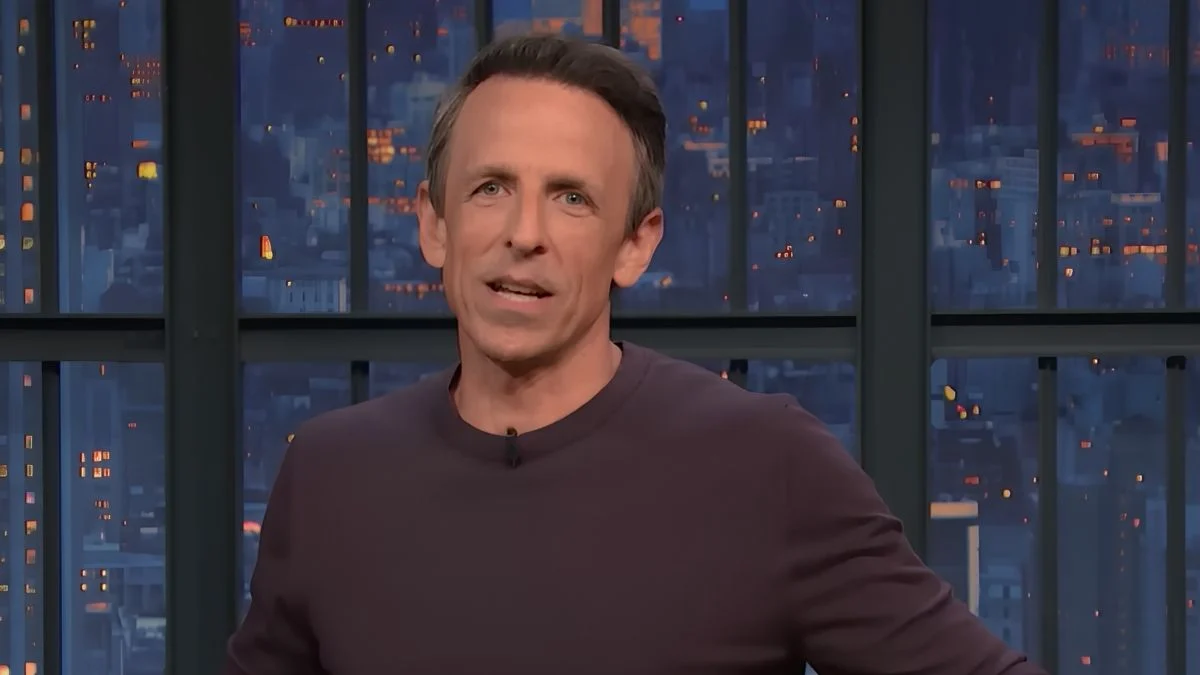
The transformation has become so pronounced that it has moved beyond a mere maintenance issue, evolving into a cultural punchline. During a recent segment of Late Night with Seth Meyers, the host famously labeled the water "puke green," arguing that the outcome stands in direct contradiction to the project’s original stated goals. The visual contrast between the historically clear, reflective waters expected of the monument and the current algae-choked basin has drawn comparisons to the very "swamp" that Donald Trump famously campaigned on the promise of draining.
Chronology: From Renovation to Algal Bloom
To understand the current frustration, one must look at the timeline of the project. The National Park Service (NPS) has historically struggled with the upkeep of the Reflecting Pool due to its sheer size and the environmental variables of the D.C. basin.
- Pre-Renovation Status: The pool had suffered from decades of structural decay, leaking issues, and water quality problems, necessitating a comprehensive overhaul.
- The Trump Administration’s Intervention: Seeking to modernize the infrastructure, the administration allocated significant federal funding toward a renovation project. The intent was to upgrade filtration systems and prevent the recurring issues that had plagued the site for years.
- The Post-Restoration Reality: Shortly after the project’s completion, observers began noticing an unusual discoloration. As the summer heat intensified, the water’s condition deteriorated rapidly. What was intended to be a pristine mirror for the Lincoln Memorial instead became a breeding ground for thick, visible algae.
- Public and Media Reaction: By mid-June, the optics of the situation became impossible to ignore. As the pool’s appearance worsened, the media—led by late-night comedy programs—began to highlight the irony of the situation, contrasting the $15 million price tag with the current state of the water.
Supporting Data: Infrastructure and Investment
The financial scope of this project places it under intense scrutiny. A $15 million investment is a substantial allocation of taxpayer funds, particularly for a project designed to improve a non-complex body of water.
The technical challenges inherent in the Reflecting Pool are well-documented. The pool holds approximately 6.75 million gallons of water. Maintaining such a large volume requires a robust, high-efficiency filtration system capable of mitigating the growth of microorganisms, which thrive in the warm, shallow, and nutrient-rich environment of the National Mall.
Experts note that algae blooms occur when nitrogen and phosphorus levels spike, often exacerbated by the surrounding lawn fertilizers and the high volume of organic matter (such as bird waste and debris) that finds its way into the pool. Critics of the restoration project argue that if the $15 million had been spent effectively, the upgraded filtration should have prevented this specific degree of eutrophication. Instead, the current state of the water suggests that either the system design is inadequate or that the ongoing maintenance protocols are failing to meet the requirements of the new infrastructure.
The Cultural Discourse: Seth Meyers and Political Satire
The most prominent voice in the recent critique of the pool’s condition is Seth Meyers. On the June 17 episode of Late Night, Meyers dedicated a segment of his "A Closer Look" series to the situation. His commentary was twofold: he mocked the visual outcome and criticized the political irony.
Meyers’ critique focused heavily on the "no-bid contract" nature of the renovation, implying that the project was as much about political optics and cronyism as it was about architectural preservation. He highlighted the "metaphorical" nature of the green water, pointing out that an administration which campaigned on the slogan "Drain the Swamp" had, through this project, arguably created a literal swamp in the heart of the capital.
The host’s segment also addressed the media response, specifically targeting segments on networks like Fox News. He pointed to instances where reporters attempted to describe the water as "American Flag blue," despite visual evidence to the contrary. Meyers joked that the green was so intense that one might expect the "Ninja Turtles to crawl out," emphasizing that the reality of the situation is visible to anyone standing on the grounds.
Official Responses and Administrative Defenses
To date, the response from official channels has been muted. While the National Park Service is typically responsible for the upkeep of the National Mall, their communications regarding the specific failures of the recent renovation have been largely technical.
Proponents of the administration’s original plan have argued that environmental factors—such as an unseasonably warm spring and heavy rainfall leading to nutrient runoff—are the primary culprits for the algae, rather than a failure of the engineering project itself. They maintain that the restoration successfully addressed the structural leaks and the base-level infrastructure, and that the water quality issues are a recurring challenge that no amount of engineering can fully eliminate without constant, costly chemical intervention.
However, this defense has done little to satisfy the public or the political commentators who view the project as a failure of governance. The lack of a high-profile, transparent explanation from the project leads has left a vacuum that satire and public outcry have been all too eager to fill.
Implications: The Legacy of Public Projects
The situation serves as a broader case study in the complexities of public works and the fragility of the "political brand" in the age of viral social media. When a project is tied to a specific administration’s rhetoric, any failure—no matter how small or environmentally driven—becomes a symbol of that administration’s broader effectiveness.
- Transparency in Government Spending: The incident has renewed calls for greater transparency in federal contracts, particularly for projects that use taxpayer funds for aesthetic or commemorative purposes.
- Environmental Maintenance Challenges: The Lincoln Memorial Reflecting Pool remains an ecological challenge. Moving forward, the NPS must decide whether to continue with current chemical treatment methods or invest in more sustainable, long-term biological solutions that can better handle the nutrient load of the Mall.
- The Power of Political Narrative: The ease with which the "green pool" became a political metaphor illustrates how quickly infrastructure issues can be weaponized in the national discourse. The imagery of the "swamp" resonates because it aligns with existing political grievances, making it a potent tool for critics.
In conclusion, while the algae in the Lincoln Memorial Reflecting Pool may eventually be cleared through standard maintenance cycles, the incident has left a lasting mark on the public perception of the restoration effort. It stands as a reminder that in Washington, even the water in a pool can become a battleground for political ideology, and that in the public eye, perception often carries more weight than engineering data. For now, the pool remains a source of frustration for officials and a fountain of content for late-night comedians, perfectly capturing the intersection of government, nature, and satire.
 Neng Nana
 Azzam Bilal Chamdy
 Nana
Nana
