

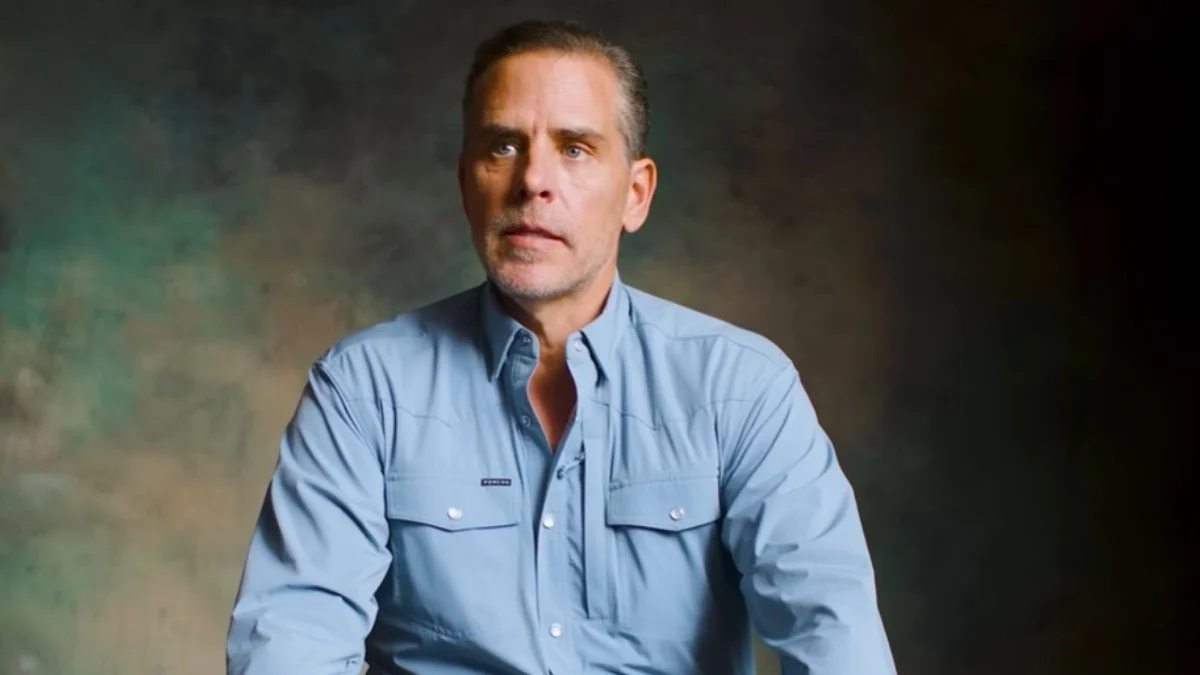
In an unexpected intersection of political theater and professional combat sports, Hunter Biden, the artist and son of former President Joe Biden, has issued a public challenge to Donald Trump Jr. for a cage match. The proposal, made via a lengthy social media post, serves as a high-profile critique of the "UFC Freedom 250" event held on the South Lawn of the White House on June 14.
While the challenge itself has drawn significant media attention, the core of Biden’s message is a stern rebuke of what he describes as the "imperial" appropriation of American national symbols. The event, which coincided with former President Donald Trump’s 80th birthday, has ignited a firestorm of debate regarding the boundaries of presidential power, the preservation of historical decorum, and the role of the White House in the 21st century.
The Main Facts: A Challenge Born of Controversy
On June 18, 2026, Hunter Biden took to X (formerly Twitter) to address a recent defense of the UFC Freedom 250 event articulated by podcast host and UFC commentator Joe Rogan. Rogan had previously told critics of the event to "shut the f**k up," a sentiment that prompted a measured, albeit biting, rebuttal from the younger Biden.
The viral post was more than a mere critique; it was a call to action. Biden wrote, "Cage match between me and Don Jr.? Your call on the venue. Anywhere but the South Lawn." This rhetorical jab served to highlight the absurdity he perceives in hosting a professional fighting exhibition on the grounds of the executive residence.
Biden’s argument is rooted in the philosophy that public spaces—specifically the White House—possess a sacred, neutral character that transcends the individual occupying the office. By choosing to host an event that celebrates physical combat on the lawn of the "People’s House," Biden argues that the administration has crossed a line from stewardship to performative dominance.
Chronology of the UFC Freedom 250 Event
To understand the gravity of the controversy, one must examine the timeline of the events leading up to the June 14 spectacle:
- June 1, 2026: The administration announces "UFC Freedom 250," a marquee event commemorating the 250th anniversary of American democracy, to be held at the White House.
- June 14, 2026: The event proceeds on the South Lawn. The night coincides with Donald Trump’s 80th birthday, leading to accusations that the event was conflated with a personal celebration.
- June 15–17, 2026: Widespread criticism emerges from historians, ethics watchdogs, and political opponents, who argue that the imagery of professional cage fighting on the White House grounds is incongruent with the dignity of the office.
- June 17, 2026: Joe Rogan defends the event on his podcast, asserting that critics are overly sensitive and ignoring the cultural significance of the UFC brand in modern America.
- June 18, 2026: Hunter Biden issues his open letter to Joe Rogan, outlining the constitutional and symbolic objections to the event and proposing the cage match with Donald Trump Jr. as a satirical contrast to the official proceedings.
Supporting Data: The Symbolism of the White House
The debate centers on the concept of "The People’s House." Historically, the White House has served as both an office and a residence, but its primary function in the American consciousness is that of a symbol of democracy.
Critics of the UFC Freedom 250 event point to the historical precedents set by past administrations, which generally utilized the grounds for formal state dinners, garden tours, and ceremonial honors. The introduction of a professional combat sports ring—a structure designed for sanctioned violence—is viewed by many as a departure from the "civil" nature of presidential hosting.
Furthermore, the scale of the production required significant infrastructure, including lighting rigs, tiered seating, and commercial broadcast equipment, which some historic preservationists argue puts undue stress on the grounds of the South Lawn. Supporters of the event, however, contend that the White House should be a reflection of modern American culture, arguing that the UFC has become an integral part of the nation’s sports identity.
Official Responses and Public Discourse
The response from the Trump camp has been largely dismissive, framing the event as a celebration of American strength and longevity. Supporters of the former President argue that the 250th anniversary of the nation warrants a unique, modern, and popular spectacle.
Joe Rogan’s defense, which served as the catalyst for Hunter Biden’s intervention, leaned into the populism that has defined the current era of political discourse. "The brand you and Dana [White] have built is a bona fide cultural touchstone," Rogan noted, emphasizing that the event was meant to bring together a cross-section of Americans who might otherwise feel alienated by traditional, "stuffy" political ceremonies.
Conversely, political scientists have weighed in with concerns regarding the "Caesarization" of the presidency. By drawing parallels to the Colosseum—the site of Roman gladiatorial games—Hunter Biden has tapped into a growing anxiety that American political institutions are increasingly being used for personal branding rather than democratic governance.
Implications for Future Administrations
The controversy over UFC Freedom 250 raises fundamental questions about the "norms" of the American presidency. As the office evolves, the line between public duty and private interest becomes increasingly blurred.
1. The Erosion of Institutional Neutrality
If the White House is treated as a venue for commercial entertainment, future administrations may face pressure to host increasingly elaborate events. This risks turning the executive residence into a "stage" rather than a symbol of statehood, potentially undermining the gravity of the office.
2. The Role of the First Family
Hunter Biden’s involvement highlights the unique, often contentious, role of presidential family members. By entering the fray, he has positioned himself as an unofficial watchdog. This creates a precedent where the children of presidents act as surrogate combatants in the cultural and political wars, further polarizing the public.
3. Ethical Boundaries and Presidential Power
The "bread and circuses" argument presented by Biden resonates with many who feel that the current political landscape is becoming detached from the foundational principles of the Constitution. The implication is that a president who treats the White House as a personal fiefdom is failing their duty as a "temporary caretaker."
Conclusion: The Fight That Won’t Happen
While a cage match between Hunter Biden and Donald Trump Jr. is almost certainly a metaphorical exercise, the fact that it is being discussed in earnest speaks volumes about the state of American political discourse. The imagery of two prominent political figures trading blows in a cage is the logical extreme of a political environment that has prioritized spectacle over policy.
As the nation reflects on the 250th anniversary of its democracy, the debate over the South Lawn acts as a mirror. It asks the public to decide what the White House should represent: Is it a monument to our shared history, or is it a platform for the person who holds the keys? For now, the challenge remains unanswered, but the conversation it has sparked is likely to echo through the halls of Washington for years to come.
The White House, as Hunter Biden noted, belongs to all of us. Whether that space should host the grit of the Octagon or the grace of statecraft remains the central tension of this unfolding political drama. As the dust settles on the South Lawn, the broader question remains: have we moved past the era of the "honored guest" and into the era of the "emperor"? That is a question the American electorate will have to answer at the ballot box.
 Neng Nana
 Azzam Bilal Chamdy
 Nana
Nana
