

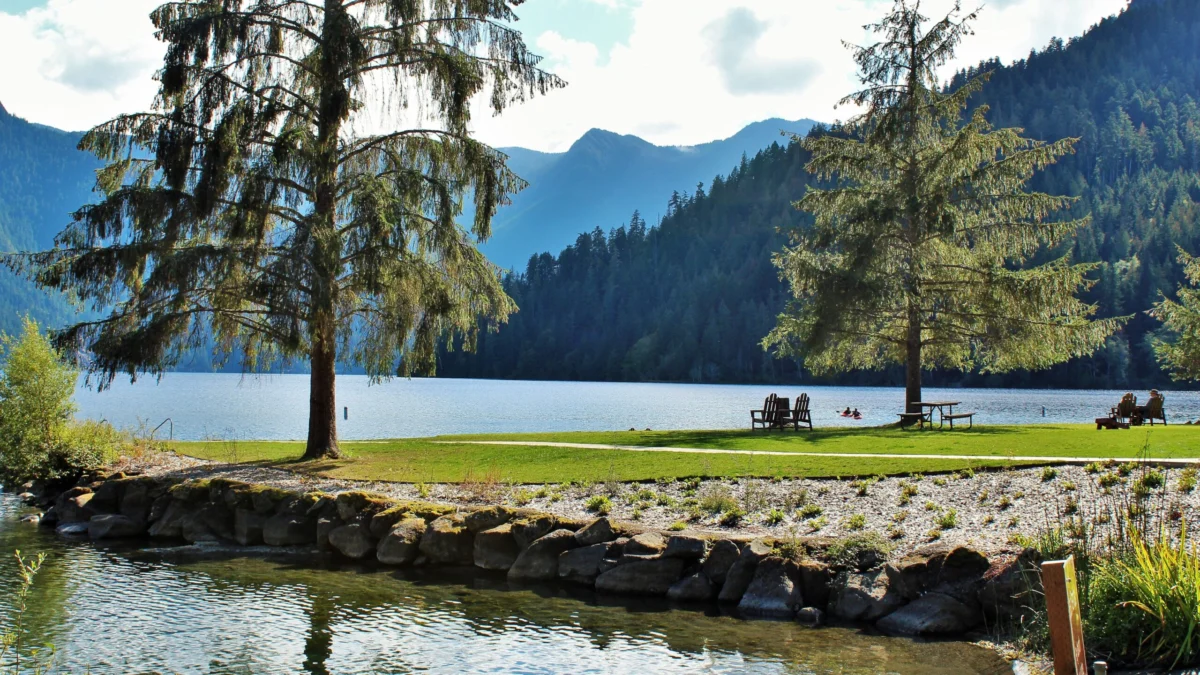
Olympic National Park, a sprawling mosaic of ecosystems covering nearly one million acres on Washington’s Olympic Peninsula, stands as one of the most diverse protected areas in the United States. From the jagged, snow-capped peaks of the Olympic Mountains to the temperate rainforests and the rugged, driftwood-strewn Pacific coastline, the park offers an unparalleled sensory experience. Whether you are a seasoned mountaineer seeking backcountry solitude or a family looking for accessible wonder, this guide details the essential pillars of an Olympic adventure.
Main Facts: The Geographic Tapestry of the Olympics
Olympic National Park is defined by its dramatic contrast. The park protects vast wilderness, including 95 percent of its total land area, which is designated as wilderness.
- Diverse Biomes: The park is home to three distinct ecosystems: subalpine forest and wildflower meadows, temperate rainforests, and the rugged Pacific coast.
- The Rainforest: The Hoh Rain Forest is one of the quietest places in the United States and serves as a premier example of a temperate rainforest, receiving upwards of 140 inches of rain annually.
- Elevational Range: The park rises from sea level to the 7,965-foot summit of Mount Olympus, creating a unique vertical climate that supports diverse flora and fauna, including the endemic Olympic marmot.
- Accessibility: Located roughly three hours from Seattle, the park is best navigated via a loop—the Olympic Peninsula—which circles the mountain range, connecting diverse trailheads and visitor hubs.
Chronology of Exploration: From Indigenous Stewardship to Modern Tourism
The history of the Olympic Peninsula is deeply rooted in the stewardship of the Hoh, Quileute, Makah, and Klallam tribes, who have called this region home for millennia.
- Pre-1800s: Indigenous peoples utilized the mountains and coastlines for resources, spiritual practice, and trade. The oral histories of these tribes are woven into the very fabric of the landscape, including the formation of Lake Crescent.
- 1890s: The "Press Expedition" of 1889-1890 was the first recorded attempt to traverse the interior of the Olympic Mountains, drawing national attention to the area’s rugged, uncharted beauty.
- 1909: President Theodore Roosevelt designated the region as Mount Olympus National Monument to protect the dwindling population of Roosevelt elk.
- 1938: President Franklin D. Roosevelt signed the bill creating Olympic National Park, expanding the protections to include the vast forests and coastline.
- 1981: The park was designated a UNESCO World Heritage Site, recognizing its unique ecological significance and the pristine nature of its temperate rainforests.
Supporting Data: Navigating the Trails and Waters
The Art of Hiking
No visit is complete without hitting the trails. The Hall of Mosses in the Hoh Rain Forest is a short, 1.1-mile loop that feels lifted from a Tolkien novel. Hikers wander beneath giant Sitka spruce and Western hemlock draped in club moss, creating an ethereal, verdant canopy.
For those seeking elevation, Hurricane Hill provides a six-mile round-trip experience. At the summit, the payoff is a 360-degree panorama. On clear days, the view stretches across the Strait of Juan de Fuca to Vancouver Island and the distant peaks of the San Juan Islands.
For the intrepid day-hiker, the Ozette Triangle Trail offers a 9.4-mile loop. With an elevation gain of only 538 feet, the challenge lies in the terrain, which shifts from deep, mossy forest to the raw, rugged coastline of the Pacific, where the tides dictate the rhythm of the walk.
Thermal Waters at Sol Duc
The Sol Duc Hot Springs Resort, nestled west of Lake Crescent, offers a restorative retreat. Fed by rain and snowmelt, the mineral-rich waters are channeled into four distinct pools, ranging from 50 to 104 degrees Fahrenheit. These springs serve as a vital respite for hikers post-excursion. Note: The springs are seasonal and close during the winter months, so visitors should plan accordingly.
Nautical Exploration
Lake Crescent, a glacial marvel reaching depths of 624 feet, offers a profound look at the park’s geology. Guided boat tours provide 90 minutes of insight into the lake’s formation, local Indigenous lore, and the crystal-clear water quality that defines this basin. For those who prefer independence, rowboat rentals are available through the Lake Crescent Lodge.
Official Responses and Conservation Efforts
The National Park Service (NPS) manages the park with a focus on "Leave No Trace" principles. Due to the high volume of visitors, the NPS has implemented specific regulations to preserve the integrity of the wilderness.
- Dark Sky Initiative: The Olympic Dark Rangers, a dedicated group of rangers and volunteers, manage a public telescope program at Hurricane Ridge. Their efforts are part of a broader national initiative to preserve the night sky. By reducing light pollution, the park allows visitors to observe galaxies and constellations that are invisible in urban areas.
- Wildlife Protection: The park enforces strict regulations regarding pets. Dogs are prohibited on most trails to protect the sensitive habitats of Roosevelt elk, black bears, and mountain lions.
- Infrastructure Management: Given the harsh winter conditions at high altitudes, the NPS advises that visitors to Hurricane Ridge must carry tire chains from November through April, as weather conditions can shift from sun to blizzard within minutes.
Implications: The Future of the Olympic Wilderness
The primary challenge facing Olympic National Park in the 21st century is the tension between increasing tourism and ecological preservation.
Climate and Seasonal Shifts
The park’s glaciers, including the Blue Glacier on Mount Olympus, are retreating at an accelerated pace due to warming global temperatures. This has direct implications for water levels in the Elwha and Sol Duc rivers, which rely on glacial melt for summer flow.
Winter Recreation: A Unique Opportunity
Olympic National Park is home to one of the only three lift-serviced ski areas within the U.S. National Park system. The Hurricane Ridge Ski and Snowboard Area is a testament to the park’s year-round utility. However, the lack of groomed or marked backcountry trails for cross-country skiing and snowshoeing means that visitors must be highly skilled in navigation and avalanche safety. As the park sees more backcountry winter traffic, the demand for increased search-and-rescue resources and safety education has grown.
The "Quiet" Economy
The park is not just a destination; it is an economic driver for the town of Port Angeles and the surrounding Olympic Peninsula. The "quiet" tourism—stargazing, hiking, and botanical study—encourages longer stays, which supports local businesses while spreading the visitor load away from the primary summer peaks.
Final Advice for the Traveler
To truly experience the Olympic Peninsula, one must be prepared for "Olympic weather." It is a land of microclimates; it may be raining in the Hoh Rain Forest while the sun is shining at Hurricane Ridge. Pack layers, respect the wildlife, and ensure you have offline maps before entering the deep wilderness. Whether you are traversing the rugged coastline of Ozette or soaking in the thermal pools of Sol Duc, you are stepping into a landscape that demands both reverence and preparation.
As you leave the park, the goal remains simple: to ensure the mossy halls, the deep blue lakes, and the jagged, starlit ridges remain as wild as they were when the first explorers arrived centuries ago.
 Asro
Asro
 Siti Muinah
