

Warning: This article contains spoilers for the plot of Toy Story 5.
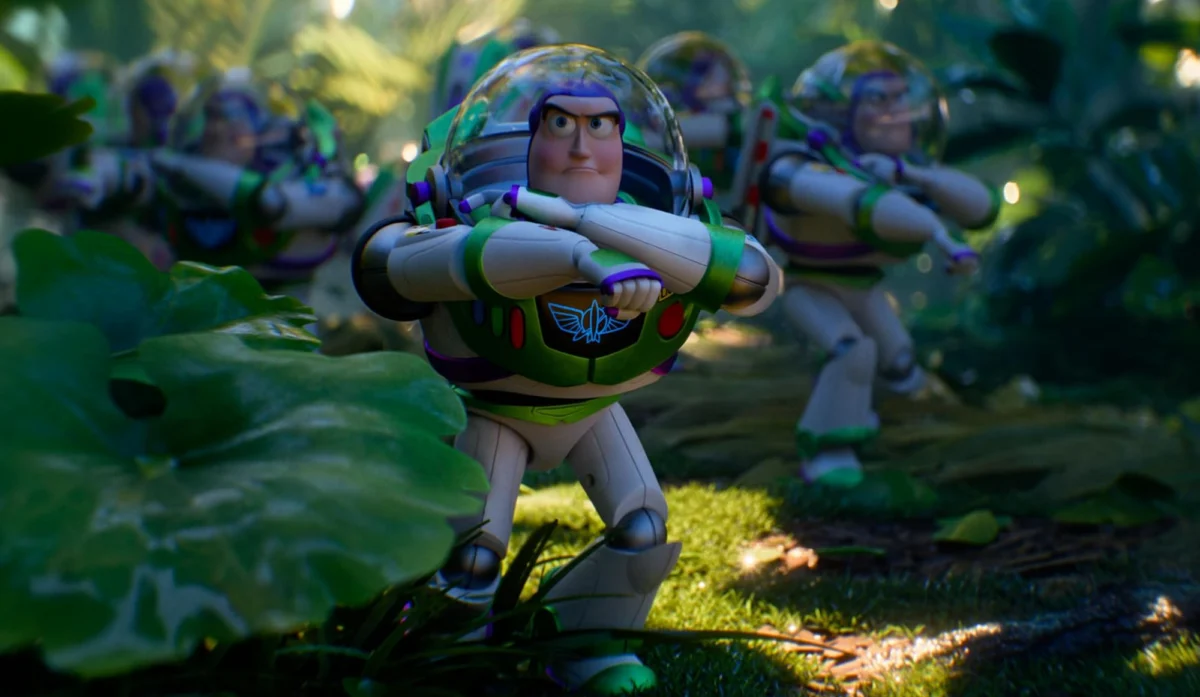
In the storied history of Pixar Animation Studios, few franchises have managed to balance nostalgic sentimentality with high-concept experimentation quite like Toy Story. As the studio prepares to usher in the fifth chapter of the legendary saga, fans have been treated to a glimpse of one of the film’s most audacious sequences: a dreamlike, forest-set encounter that sees a legion of abandoned Buzz Lightyear action figures experiencing the majesty of the natural world for the very first time.
While the premise of plastic space rangers navigating the wilderness is inherently compelling, it is the creative execution—a deliberate, stylistic nod to the 1942 Walt Disney classic Bambi—that has captured the attention of audiences. By blending modern CGI prowess with the hauntingly beautiful aesthetic of a bygone era, Toy Story 5 attempts to bridge the gap between Pixar’s digital revolution and the hand-drawn legacy of its parent company.
The Genesis of a Surreal Cinematic Moment
The scene in question follows a "bevy" of discarded Buzz Lightyear figures—a direct reference to the recurring narrative trope of mass-produced toys struggling with their identity—as they wander through an expansive, lush forest. For toys accustomed to the carpeted landscapes of a bedroom, the forest is a terrifyingly vast, untamed frontier.
The creative team behind Toy Story 5 revealed that the sequence was initially intended to be a straightforward narrative beat. The storyboards were finalized, the character motivations were set, and the physical choreography of the Buzzes interacting with the environment was locked in. However, something was fundamentally missing. According to the production team, the scene lacked the emotional resonance required to anchor such a pivotal moment in the toys’ journey.
The breakthrough occurred during a collaborative session between director Andrew Stanton and co-director McKenna Harris. "We had the scene boarded—the Buzzes all in nature, meeting these animals—but we didn’t have a track in mind and something wasn’t really clicking," Harris explained in an exclusive interview with Gold Derby.
The solution, proposed by Stanton, was as simple as it was bold: lean into the absurdity. By framing the encounter through the lens of one of Disney’s most cherished films, the team transformed a standard exploration sequence into a poignant, meta-textual homage.

Chronology: From Concept to Screen
The development of the "Bambi sequence" serves as a perfect microcosm for the production philosophy of Toy Story 5.
- Initial Conceptualization: The production team identified the need for a "fish-out-of-water" sequence to underscore the existential crisis of the multiple Buzz Lightyear units.
- The Stagnation Phase: Early iterations of the scene felt disjointed. While the visuals were impressive, the tone wavered between slapstick comedy and existential dread, failing to find a consistent emotional anchor.
- The "Stanton" Pivot: Director Andrew Stanton identified the visual parallels between the toys’ discovery of the forest and the classic "first steps" of the titular fawn in Bambi. He suggested incorporating the 1942 film’s iconic score, "Love Is a Song," to dictate the pacing and emotional weight of the scene.
- Integration: The animation team worked to synchronize the movements of the Buzz Lightyear figures with the sweeping, orchestral swells of the Frank Churchill and Larry Morey composition.
- Final Polish: The team committed to the "surrealness" of the moment, ensuring that the CGI renditions of the doe and Thumper felt like ethereal, almost ghostly manifestations within the toys’ reality.
Supporting Data: The Power of Audio-Visual Cues
The use of "Love Is a Song" is a calculated choice in audience manipulation—and it works. In animation, the marriage of music and movement is the primary driver of emotional throughput. By utilizing a piece of music so deeply embedded in the cultural consciousness of Disney fans, the filmmakers were able to bypass lengthy expository dialogue.
Psychologically, the juxtaposition of a recognizable piece of mid-century art with the modern, clean-lined, high-fidelity geometry of a Buzz Lightyear toy creates a "cognitive dissonance" that the film uses to its advantage. Producer Lindsey Collins noted that the goal was to keep the audience off-balance. "That storyline always needed to feel like you didn’t know where it was going," she stated. "Every scene had to lean into the surrealness of it."
The technical challenge was significant: how do you render a CGI deer and rabbit in a way that respects the original 1942 aesthetics while existing in the high-definition world of 2026 animation? The result is a hybrid visual style that honors the history of traditional animation while utilizing the advanced lighting engines of Pixar’s current pipeline.
Official Responses and Creative Intent
The "brain trust" at Pixar—the core creative team steering the Toy Story franchise—has been transparent about their desire to push the boundaries of what these characters can do.
"It started as a nod and became a full homage," said producer Lindsey Collins. The decision to "commit" to the bit, as she describes it, highlights a shift in the studio’s strategy. Rather than playing it safe with established characters, the directors are finding ways to insert the Toy Story toys into entirely different cinematic genres. By placing 50 identical space rangers into a pastoral, romanticized landscape, the film forces the audience to view the toys not just as merchandise, but as characters in a broader, more existential narrative.
For Andrew Stanton, whose track record with Finding Nemo and WALL-E demonstrates a penchant for high-concept storytelling, this sequence is a testament to the idea that animation is a malleable medium. The homage is not meant to be a parody, but rather a reflection of how the toys perceive the world—through the fragmented, borrowed imagery of the human media they have consumed over decades.

Implications: The Future of the ‘Toy Story’ Universe
The inclusion of such a specific, high-brow homage has significant implications for the future of the franchise. It suggests that Toy Story 5 is less concerned with maintaining a grounded "toy reality" and more interested in exploring the internal, perhaps hallucinatory, experiences of the toys themselves.
1. Stylistic Fluidity
By incorporating the aesthetic of Bambi, the film signals that the Toy Story universe is becoming more porous. We may see future entries that adopt the visual language of noir, westerns, or even abstract art, depending on the toys’ environment and psychological state.
2. The Legacy of Disney Animation
This move cements Toy Story as the "flagship" of the Disney/Pixar merger. By paying tribute to the 1942 original, the film creates a lineage that connects the early days of cel animation to the current era of artificial intelligence and advanced rendering.
3. Audience Expectations
The success of this scene relies on a sophisticated audience. It assumes that viewers are familiar with the history of the Disney canon. This indicates a shift in marketing and narrative strategy: Pixar is no longer just targeting children; they are creating content that demands a high degree of "film literacy" from their viewers.
Conclusion
The "Bambi sequence" in Toy Story 5 is a bold gamble. It risks alienating those who prefer the grounded, suburban charm of the original trilogy, but it rewards those who are willing to follow the characters into the unknown. By embracing the surreal and the historical, the filmmakers have managed to breathe new life into a franchise that has, by all accounts, already reached "infinity and beyond."
As we look toward the film’s full release, the question remains: what other cinematic worlds will the toys inhabit? If this homage is any indication, the future of Toy Story lies not in the toy chest, but in the limitless potential of the stories we tell ourselves.
 Nana
Nana
 Asro
Asro
 Ammar Sabilarrohman
