

The 12th edition of the Bentonville Film Festival (BFF) has officially drawn to a close in Bentonville, Arkansas, leaving behind a profound impact on the independent film landscape. Known for its commitment to diversity, inclusivity, and the amplification of underrepresented voices, this year’s festival solidified its reputation as a critical touchstone for filmmakers whose work challenges the status quo.
As the curtains fell on this year’s festivities, the awards ceremony highlighted a diverse array of projects that span genres, from intimate, poetic narratives to hard-hitting, socially conscious documentaries. At the forefront of the winner’s circle were Walter Thompson-Hernández’s If I Go Will They Miss Me and Judd Ehrlich’s Jane Elliott Against the World, both of which captured the zeitgeist of contemporary cinema.
The Vanguard of Narrative Cinema
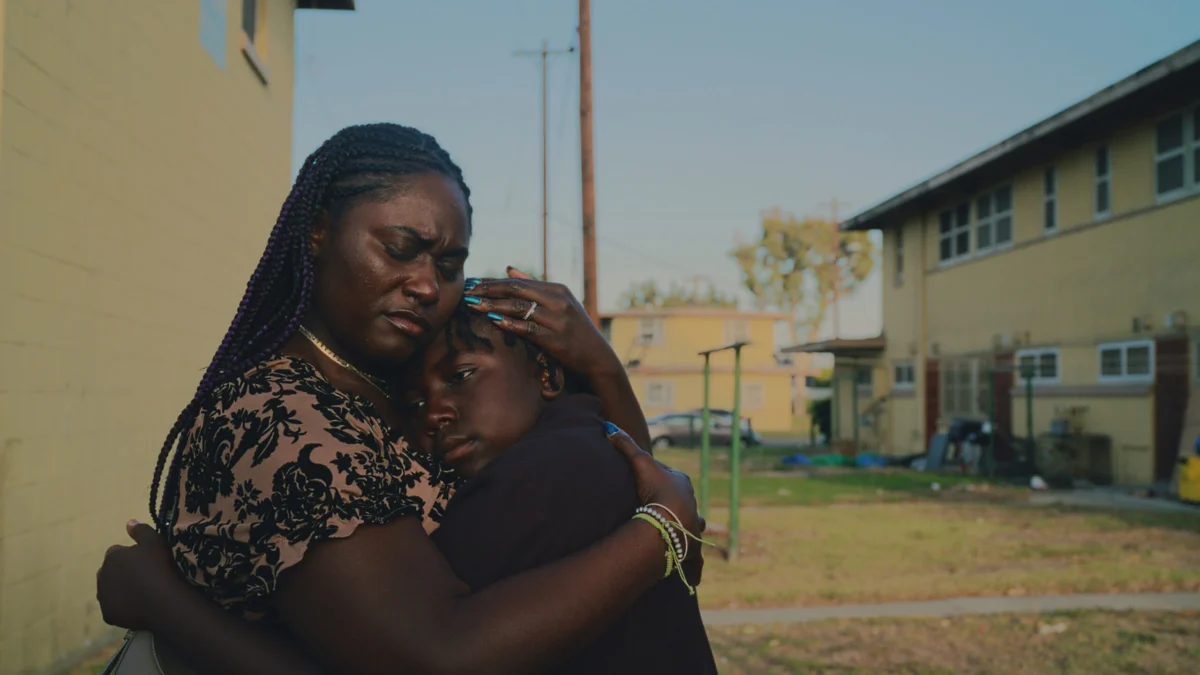
The crowning achievement of the festival, the Best Narrative Feature award, was bestowed upon If I Go Will They Miss Me. Directed by Walter Thompson-Hernández, the film was lauded by the jury as a "thoughtful, poetic, and stunning cinematic experience."
The jury’s statement underscored the film’s unique ability to balance technical precision with raw emotional resonance. "We marveled at the visual language, which rendered a methodical approach without sacrificing a sense of improvisation and heart," the jury noted. The film is a poignant exploration of Black fatherhood and familial love, elevating the internal struggles of its characters to a mythological status that honors their complexity rather than merely observing it from a distance.
While If I Go Will They Miss Me took the top prize, the festival also saw significant recognition for emerging directorial talent. Gisella Bonilla’s The Musical earned a Special Jury Mention for Directorial Vision. The jury praised Bonilla’s command of the comedy genre, a feat notoriously difficult for even the most seasoned filmmakers. With standout performances from Will Brill and Rob Lowe, the film proved that precision and comedic timing are the hallmarks of a director to watch.
Similarly, the film BRB, directed by Kate Cobb, received a Special Jury Mention for Lead Performances. The jury highlighted the work of Zoe Colletti and Autumn Best, whose portrayal of sisterhood was described as "filled with warmth, vulnerability, and undeniable charisma." The film’s ability to navigate the complexities of human connection anchored the festival’s commitment to character-driven storytelling.
Documentary Filmmaking as a Catalyst for Change
The documentary category at the 2026 Bentonville Film Festival was defined by its unflinching commitment to social truth. Jane Elliott Against the World, directed by Judd Ehrlich, was named Best Documentary. The film serves as a rigorous examination of the life and legacy of the legendary educator and anti-racism activist, Jane Elliott.

"This film is a raw and unflinching glimpse into the life and career of a legendary educator," the jury stated. By documenting both the personal cost of Elliott’s activism and the monumental impact of her methods, the film acts as a clarion call for the possibility of a more equitable world.
Complementing this winner was the Special Jury Mention recipient, Summer 2000: The X-Cetra Story, directed by Ayden Mayeri. A masterclass in archival storytelling, the film explores the intersection of personal memory and internet culture, showcasing how the digital age has fundamentally reshaped the way we view our own histories.
Homegrown Talent and Local Impact
The "Homegrown" category—a cornerstone of the Bentonville festival’s mission to foster regional and grassroots filmmaking—saw a powerful victory for Baby/Girls, directed by Jackie Jesko and Alyse Walsh. Through two years of exhaustive and sensitive access, the documentary provides a harrowing look at systemic failures, all while maintaining a deeply human focus.
"The result is documentary filmmaking at its most urgent and compassionate," the jury remarked, commending the directors for avoiding the pitfalls of exploitation.
The category also honored Lisa Cole’s Filthy, which received a Special Jury Mention. The film’s narrative arc—a journey from a muted, restrictive reality to a world of vibrant liberation—served as a metaphor for the themes of purity culture and maternal bonds that have become central to the current cultural conversation.
Episodic Potential and the Future of Television
As the line between film and television continues to blur, the festival’s "Best Episodic" category has gained increased importance. This year’s winner, Too Romantic, directed by Talia Light Rake, was recognized for its sharp, contemporary relevance. By merging the pacing of internet-era social media humor with the structure of the classic romantic comedy, Rake has created a pilot that feels both nostalgic and distinctly modern. The jury noted the project’s "significant potential for future episodes and a fully realized television series," signaling that Bentonville is a fertile ground for the next generation of episodic creators.
A Global Perspective: Short Film Honors
The festival’s short film program continued to prove that brevity does not compromise depth. The top prize went to France’s Find The Boy, directed by Pauline Goasmat, a moving exploration of identity and the enduring nature of love.

The category also saw two notable Special Jury Mentions:
- Paper Daughter (USA), directed by Cami Kwan, which was praised for its innovative use of animation to address the complexities of desperation and identity.
- She Chose War (USA), directed by Sarah Moshman, a documentary short that provided a gripping, intimate look at a Ukrainian woman’s choice to trade an academic future for the front lines of conflict.
Official Responses and Industry Implications
The atmosphere at this year’s festival was one of both celebration and reflection. Geena Davis, the chair of the Bentonville Film Festival, emphasized the importance of these awards in the broader context of the entertainment industry.
"These awards reflect the passion and drive of storytellers, whose work will continue to broaden perspectives and engage audiences throughout the year," Davis remarked. "We congratulate our BFF award winners, and we’re so thankful to every filmmaker here for their contributions to the success of this year’s BFF."
The implication of these selections is clear: the industry is hungry for narratives that move beyond the traditional canon. By elevating stories that tackle systemic inequality, complex familial dynamics, and the psychological weight of the modern world, the Bentonville Film Festival is not merely hosting a competition—it is actively curating the future of cinema.
Conclusion: The Legacy of the 12th Edition
As the dust settles in Bentonville, the impact of the 12th edition of the festival remains palpable. The winners represent a diverse, global, and highly skilled cohort of storytellers. They have proven that whether through the medium of a feature film, a documentary, or an episodic pilot, the power of a well-told story lies in its ability to force the audience to confront the uncomfortable, celebrate the human, and imagine the impossible.
For the participants and the attendees, the festival has once again proven to be a vital laboratory for innovation. As these films move from the festival circuit to broader distribution, they carry with them the spirit of Bentonville—a commitment to empathy, a dedication to truth, and an unwavering belief in the power of the moving image to change the world.
The 2026 Bentonville Film Festival will be remembered not only for the accolades it distributed but for the conversations it sparked, the perspectives it widened, and the foundation it laid for a more inclusive future in film.
 Ammar Sabilarrohman
 Siti Muinah
 Iffa Jayyana
