

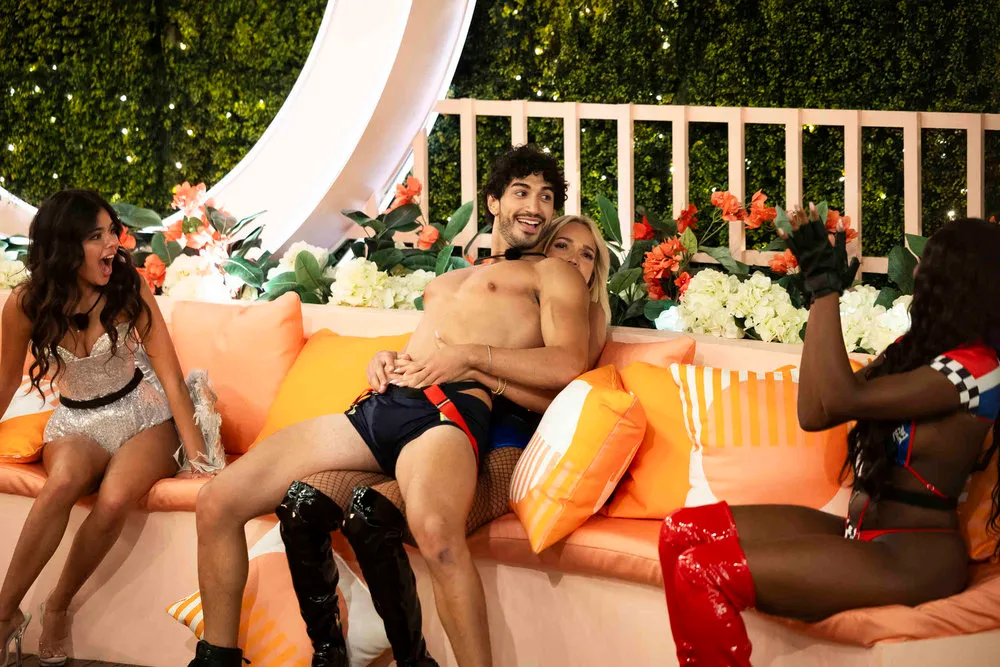
The Love Island USA villa, a space designed for romantic connections and summer entertainment, has once again become the epicenter of a heated cultural discourse. This week, the reality television juggernaut finds itself grappling with a recurring crisis: the discovery of racially offensive material attributed to a new cast member. The latest individual at the heart of this controversy is Alannah Keyser, a “bombshell” contestant who entered the show during the highly anticipated Casa Amor phase. Within hours of her debut, social media platforms erupted, not with discussions of her romantic prospects, but with evidence of past behavior that has left viewers demanding immediate intervention from production.
The Genesis of the Alannah Keyser Controversy
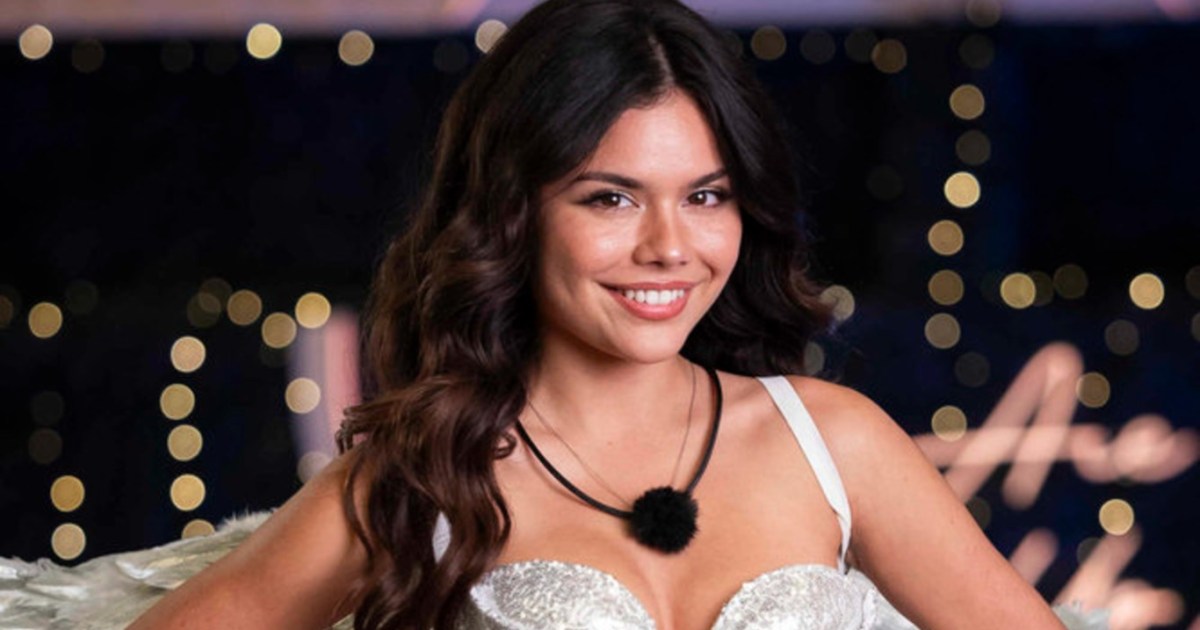
Alannah Keyser made her first appearance on Love Island USA this past Sunday, entering the show as a Casa Amor bombshell. In the high-stakes environment of the villa, where contestants are expected to win over both their fellow islanders and the audience, Keyser’s introduction was meant to shake up established dynamics. However, the internet’s collective investigative power moved faster than the broadcast schedule.
Shortly after her introduction, viewers began circulating a resurfaced video on social media, most notably on TikTok and X (formerly Twitter). In the clip, Keyser appears to be singing along to a song and, according to the widespread allegations from fans, utters the N-word. The viral nature of the clip triggered an immediate investigation by the fan base, which quickly unearthed further evidence. Sleuthing viewers also identified a historical comment on Instagram, purportedly authored by Keyser, in which she allegedly used the same racial slur.
The backlash was instantaneous. For many viewers, the presence of such content is a direct affront to the inclusive environment that reality television should strive to maintain. As the hashtag calling for her removal gained momentum, the conversation shifted from the actions of a single contestant to the structural failures of the show’s casting and vetting processes.
A Pattern of Behavior: A Chronological Look at Recent Scandals
The incident involving Alannah Keyser is far from an isolated event. It is, in fact, the latest in a series of similar controversies that have plagued Love Island USA in recent seasons, raising serious questions about the production team’s commitment to thorough background checks.
The Season 8 Trend
The current season, Season 8, has been particularly fraught. Before the controversy surrounding Keyser, the show had already seen the removal of another contestant earlier this year due to similar allegations of racial misconduct. The pattern of removing cast members mid-season has become a recurring rhythm, leading many long-term fans to suffer from "scandal fatigue."
Historical Precedents
This issue is not confined to the current cycle. In Season 7, the production team was forced to address the fallout from multiple contestants who were removed from the villa following the emergence of racially insensitive social media history. These recurring exits highlight a systemic issue: the failure of the vetting process to identify potentially disqualifying content before filming commences. Each instance has followed a similar trajectory—a contestant is introduced, the public unearths controversial social media history, and the production is forced to react under intense public pressure.
Casting and Vetting: Why Does This Keep Happening?
The central question fueling the outrage is one of due diligence. In an era where digital footprints are permanent and easily accessible, fans are struggling to understand how individuals with a history of using racial slurs make it through multiple rounds of casting and psychological evaluations.
The Failure of Due Diligence
Critics argue that the sheer frequency of these scandals suggests a lack of rigorous vetting. "How is this such a common occurrence?" one viewer lamented on social media. The sentiment is echoed by many who feel that a simple search of a contestant’s digital history should be a prerequisite for entry into a high-profile, televised environment. The failure to do so, according to these critics, suggests either gross negligence or a lack of concern for the brand’s reputation and the comfort of the audience.
The "Engagement" Theory
Among the more cynical segments of the fan base, a theory has emerged: that the production team may be intentionally casting controversial figures to drive social media engagement. While there is no empirical evidence to support the claim that producers are purposefully courting scandal, the perception alone is damaging to the show’s credibility. When a program is consistently associated with racial controversy, it risks alienating its core demographic and becoming known more for its off-screen drama than its on-screen narrative.
Implications for the Brand and the Audience
The implications of this recurring pattern extend far beyond the fate of one individual contestant. The brand identity of Love Island USA is currently being tested.
The Viewer’s Ultimatum
The fan base is increasingly vocal, and their threats are becoming more tangible. The common refrain of "delete my Peacock account" signifies a shift from passive viewing to active consumer activism. Viewers are no longer content to merely criticize; they are demanding accountability. For a streaming service like Peacock, which relies on subscriber retention, the threat of a mass exodus based on ethical objections is a serious business concern.
The Burden of Representation
Reality television often serves as a microcosm of society, and viewers expect a certain level of social responsibility from the platforms they support. When a show fails to curate a cast that reflects a standard of decency, it loses its status as an aspirational or escapist form of media. The presence of contestants with a history of using racial slurs creates an environment that many viewers find toxic, effectively ruining the "fantasy" of the show.
Official Responses and the Path Forward
As of this writing, the producers of Love Island USA have maintained a degree of silence regarding Alannah Keyser’s specific situation, though they have historically acted quickly when public pressure reaches a critical mass. The industry standard for these situations has evolved toward swift removal, as seen in previous seasons.
What Happens Next?
The decision to remove a contestant is a logistical and legal challenge. Producers must balance the integrity of the show’s narrative with the necessity of maintaining a safe and respectful work environment for all participants. If the precedent of Season 7 and early Season 8 holds, it is highly probable that Keyser’s time in the villa will be cut short. However, the bigger issue remains: will this be the last time such a story makes headlines?
The Need for Structural Reform
To stop this cycle, the production team must undergo a radical shift in its casting protocols. This should include:
- Enhanced Digital Audits: Utilizing professional firms to conduct deep-dive digital background checks on all potential contestants.
- Accountability for Casting Directors: Implementing stricter performance reviews for the teams responsible for recruiting and vetting cast members.
- Transparent Communication: Engaging with the audience when controversies arise, rather than waiting for the situation to boil over.
Conclusion: A Turning Point for Reality TV
The controversy surrounding Alannah Keyser is a symptom of a larger, systemic problem in the reality television industry. The ease with which the public uncovers this information, contrasted with the seeming inability of professional casting teams to do the same, is a glaring discrepancy that cannot be ignored.
As Love Island USA continues its run, the eyes of the audience are firmly fixed on the producers. The question is not just whether Alannah Keyser will remain in the villa, but whether the show can evolve to meet the moral expectations of its audience. If the production team fails to implement meaningful changes to their vetting process, they risk not only the loss of their audience but the permanent erosion of the show’s viability in an increasingly conscious cultural landscape.
For now, the drama continues on screen, but the real stakes are taking place in the court of public opinion. The ball is firmly in the court of the Love Island producers, and for their viewers, the time for excuses has long since passed.
 Neng Nana
 Azzam Bilal Chamdy
 Nana
Nana
