

By [Your Name/Journalistic Staff]
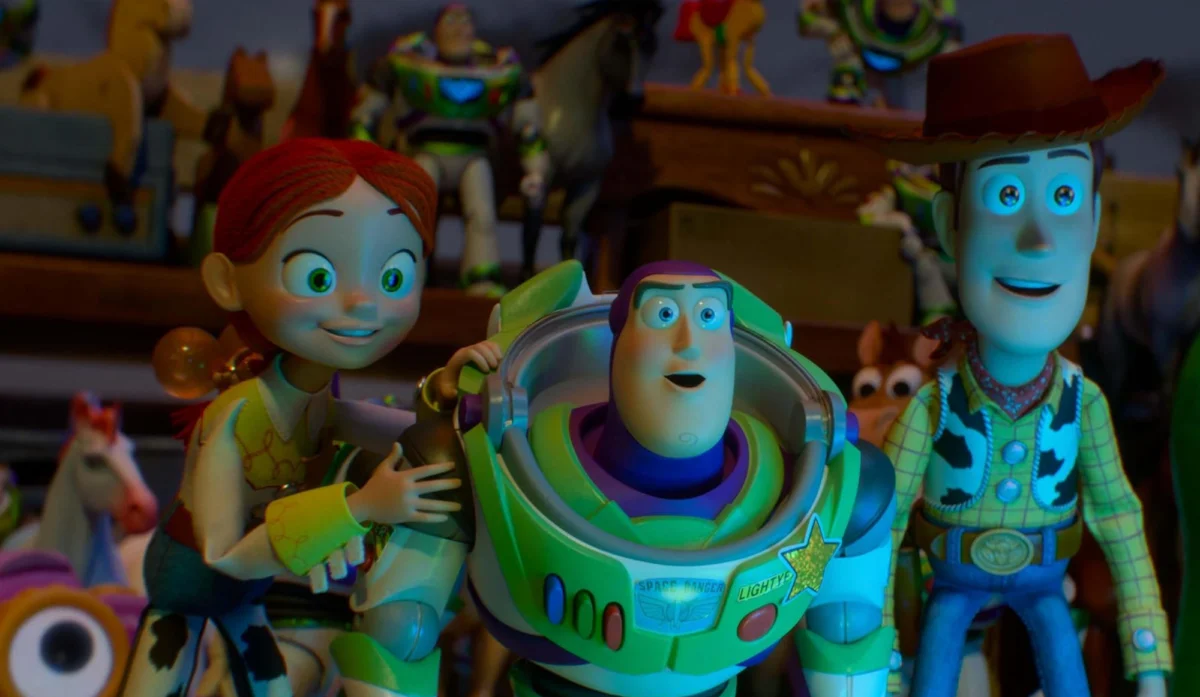
In the high-stakes ecosystem of Hollywood, few cinematic pillars are as sturdy as the Toy Story franchise. With the arrival of Toy Story 5 in theaters, the animation juggernaut has once again flexed its commercial muscles, raking in a staggering $160 million during its opening weekend. This figure represents the largest domestic debut of the year, a testament to the enduring cross-generational appeal of Woody, Buzz, and their expanding ensemble. With critical reception mirroring its financial dominance, the film has instantly solidified its status as the front-runner for the Best Animated Feature prize at the 2027 Oscars.
However, the path to the gold statue is paved with historical hurdles. As the industry looks toward the 99th Academy Awards, a central question looms over the production: Will the “number five” attached to the title trigger a subconscious bias against the film, or does the Toy Story nameplate possess an inherent immunity to the “sequel curse” that has plagued so many other animated franchises?
A Statistical Overview: The Academy’s Complicated Relationship with Sequels
To understand the challenge facing Toy Story 5, one must look at the historical data of the Best Animated Feature category, which was first introduced by the Academy of Motion Picture Arts and Sciences in 2001. In the intervening two-and-a-half decades, sequels have struggled to find consistent favor with voters.
Since the category’s inception, only two sequels have claimed the trophy—and both hail from the same intellectual property. Toy Story 3 (2010) secured the win, bolstered by the rare distinction of also receiving a Best Picture nomination, a feat that signaled its status as a piece of "prestige" cinema rather than mere franchise filler. Its successor, Toy Story 4 (2019), also triumphed, fending off competition from How to Train Your Dragon: The Hidden World.
These victories, however, appear to be the exception rather than the rule. The Academy has frequently demonstrated a preference for original storytelling, often snubbing sequels that were commercially successful and critically lauded. The history of the category is littered with "what-ifs" and near-misses, suggesting that for most franchises, the law of diminishing returns is a very real obstacle at the ballot box.
A Chronology of Near-Misses and Snubs
The historical trajectory of animated sequels at the Oscars reveals a pattern of disappointment that should give any studio executive pause.

The Early Disappointments
The inaugural winner, Shrek (2001), set a high bar for computer-generated storytelling. Yet, when Shrek 2 arrived in 2004, it found itself outclassed by Pixar’s The Incredibles. This began a trend where the novelty of the original was rewarded, but the continuation was treated as an afterthought. Decades later, the Incredibles franchise would face the same wall; Incredibles 2 (2018) lost to the kinetic, ground-breaking Spider-Man: Into the Spider-Verse.
The "Spider-Verse" and "Flow" Phenomena
The recent history of the category shows that even critically acclaimed sequels struggle against singular, auteur-driven projects. Spider-Man: Across the Spider-Verse (2023), despite being widely considered a masterpiece of animation, lost to Hayao Miyazaki’s The Boy and the Heron. Similarly, the recent critical darling Flow has acted as a spoiler for major studio sequels. Both Inside Out 2 and the latest Wallace and Gromit entry, Vengeance Most Fowl, saw their Oscar aspirations derailed by the smaller-scale, emotionally resonant Flow.
The Franchise Graveyard
The list of franchises that have hit a ceiling at the Academy Awards is extensive:
- Kung Fu Panda: Neither the first nor the second film could overcome the respective juggernauts of WALL-E and Rango.
- How to Train Your Dragon: Despite universal acclaim for all three entries, the franchise failed to capture the Oscar in its primary categories.
- Wreck-It Ralph: The series failed to convert its two nominations into a win, losing to Brave and Spider-Man: Into the Spider-Verse.
- Despicable Me: Despite being a global box-office titan, the franchise has only managed a single nomination, losing out to Frozen.
- Shaun the Sheep: Neither the original nor Farmageddon could break through against industry giants like Inside Out and Soul.
The "Snub" Factor: When Success Isn’t Enough
Perhaps the most discouraging data point for a major franchise is the "snub factor." Success at the box office or even nominations at the Golden Globes and BAFTAs is no guarantee of an Academy Award invitation.
Consider the cases of Frozen 2 (2019), Finding Dory (2016), and Happy Feet 2 (2011). Each of these films served as the follow-up to an Oscar-winning predecessor. Yet, when the time came for Academy nominations, they were conspicuously absent from the ballot. These omissions suggest that voters are often fatigued by long-running series, viewing them as corporate products rather than creative endeavors worthy of top-tier recognition.
Even when films receive secondary recognition—as seen with The Croods: A New Age (2020) and Moana 2 (2024), both of which secured Golden Globe nods—the Academy often holds the line, leaving them off the final list of nominees. The systemic reluctance to honor repeat installments suggests that the Academy prioritizes "the new" over "the familiar."
Implications for Toy Story 5: Is the Franchise Immune?
Despite the overwhelming evidence that sequels face an uphill battle, Toy Story 5 occupies a unique position. The franchise is arguably the only one in the history of the medium to achieve a consistent "critical consensus" across five decades.

Why Toy Story 5 Might Succeed
- Cultural Heritage: The Toy Story brand is synonymous with the maturation of computer animation. To vote against a Toy Story film is, for many, to vote against the very history of modern animation.
- The "Finality" Narrative: Oscar voters are suckers for a good narrative. If Disney and Pixar market Toy Story 5 as the definitive conclusion to the saga, it will likely garner the same "career achievement" sentiment that helped The Lord of the Rings: The Return of the King sweep the Oscars in 2004.
- The Lack of Strong Rivals: While the 2027 race is still unfolding, the current lack of a clear, singular indie breakout that could challenge Toy Story 5 gives it a clear lane to victory.
The Counter-Argument
The primary risk for Toy Story 5 is the "diminishing returns" narrative. There is a palpable sense in industry circles that, while the film is technically flawless, the story has reached its natural conclusion. If voters feel that the film was made solely for commercial gain rather than artistic necessity, the "number five" could indeed become a weight around its neck.
Official Responses and Industry Sentiment
While Pixar has remained largely tight-lipped regarding the Oscar campaign strategy, internal sources suggest the studio is leaning into the film’s emotional depth. Director interviews have emphasized that this chapter is the most character-driven to date, a move clearly designed to combat the "just another sequel" perception.
Critics have also weighed in, noting that the animation technology on display in Toy Story 5 represents a leap forward, potentially securing nominations in technical categories like Best Sound or Best Original Score, which could create a "halo effect" that bolsters its chances in the Animated Feature race.
Conclusion: The Final Verdict
As we approach the 2027 Oscars, the industry finds itself at a crossroads. Will the Academy continue its trend of favoring independent, original voices like Flow and The Boy and the Heron, or will it succumb to the nostalgia and technical perfection of the Toy Story juggernaut?
If there is one lesson to be learned from the history of the Best Animated Feature category, it is this: Oscar voters possess a unique, often unpredictable set of criteria. They crave innovation, yet they are seduced by legacy. Toy Story 5 is a masterclass in the latter. While the historical data warns of the dangers of being a sequel, the sheer force of the Toy Story brand—and the high probability of a "farewell" narrative—positions it as the film to beat. Whether it can overcome the weight of its own history remains the most compelling drama of the upcoming awards season.
 Ammar Sabilarrohman
 Siti Muinah
 Iffa Jayyana
