

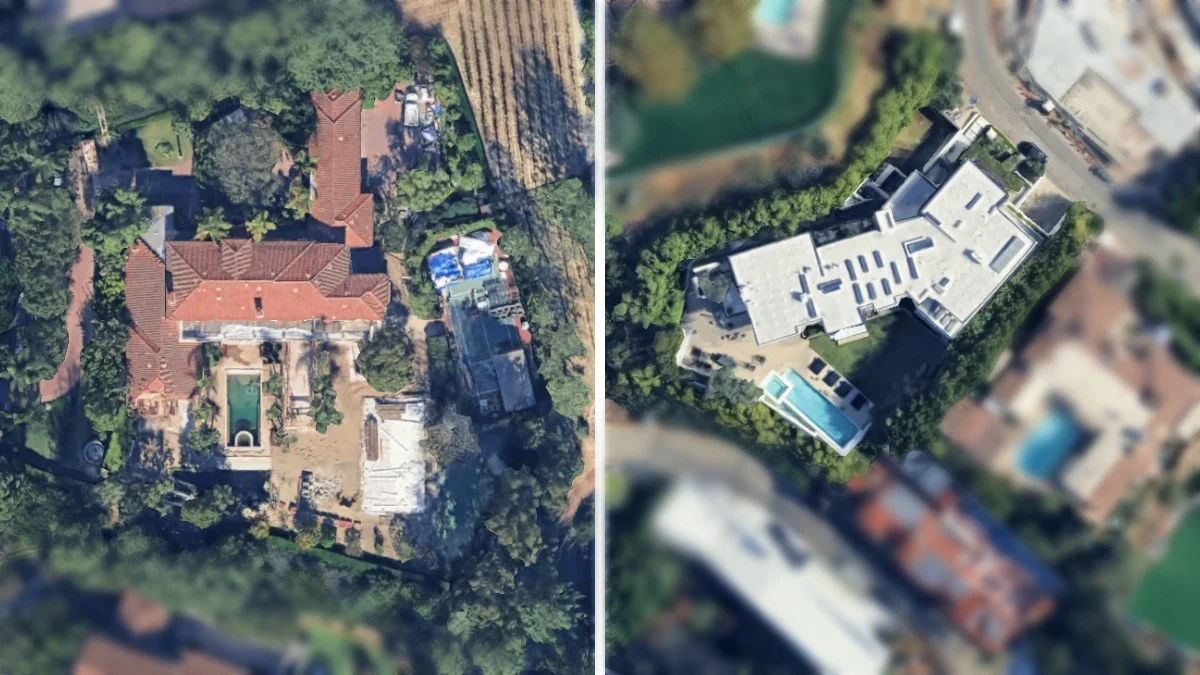
In a move that has sent ripples through the upper echelons of the global luxury real estate market, Russ Savage—the visionary founder of Rockstar Energy and a powerhouse investor—has listed a collection of five trophy properties for a combined $297 million. This strategic liquidation of assets across Los Angeles, Aspen, and Park City is more than a mere portfolio rebalancing; it is a calculated wager on the next great wealth explosion.
Savage, who famously sold his beverage empire to PepsiCo in 2020 for over $4 billion, believes we are standing on the precipice of a new era of capital creation. By offloading these marquee assets now, he is positioning himself to capture the liquidity that he expects will flow from a wave of imminent Initial Public Offerings (IPOs) from titans of industry, including OpenAI, Anthropic, and SpaceX.
The Thesis: A New Stratosphere of Wealth
The logic behind Savage’s decision is rooted in his observation of the shifting macroeconomic landscape. As the technology sector prepares to unleash a flurry of public listings, Savage anticipates the emergence of a "new class" of ultra-high-net-worth individuals. These individuals, flush with post-IPO capital, will not be looking for standard luxury; they will be hunting for "trophy" assets—properties that serve as status symbols in the world’s most exclusive leisure destinations.

"We’re entering a new stratosphere of top-end wealth, where there’s no limit," Savage noted in a recent discussion regarding his market outlook. "They’re going to want a ski house and they’re going to want a house in the sun."
Savage’s perspective highlights a growing trend among the ultra-wealthy: the pivot from traditional asset classes toward high-concept, experiential real estate. For these future buyers, a home is not just a residence; it is a curated experience, a wellness sanctuary, and a private retreat designed to reflect a new, tech-driven aesthetic of success.
A Portfolio Built on Vision and Renovation
To understand the magnitude of this listing, one must look at the history of the properties themselves. Savage has built a reputation not merely as a buyer of real estate, but as an architect of value. His strategy has consistently involved acquiring premier parcels, executing extensive, high-end renovations, and often leasing the properties to high-profile celebrity tenants, thereby cementing their cultural cachet.

The Los Angeles Crown Jewels
The flagship of his current sell-off is a sprawling estate in the ultra-exclusive Beverly Park neighborhood, which Savage acquired in 2007. Over the last decade, he has transformed the compound into a masterclass in modern luxury. With the main residence expanded to roughly 15,000 square feet and the recent addition of a sophisticated guesthouse and a state-of-the-art fitness facility, the property represents the pinnacle of Southern California living. Complementing this is a sleek, 13,000-square-foot contemporary residence in the Bird Streets, a neighborhood famous for its commanding views of the Sunset Strip and the sprawling L.A. basin.
The Mountain Retreats: Aspen and Park City
Savage’s mountain holdings are equally impressive. His Aspen retreat, situated on the slopes of Red Mountain, is a testament to the marriage of rugged alpine beauty and modern architectural refinement. With its dramatic concrete-and-glass facade and panoramic views, the property has become a legendary rental, reportedly commanding upwards of $950,000 per month.
In Park City, the portfolio includes the renowned "Monitor’s Rest." This wellness-focused compound is less a house and more a private resort, featuring a full-scale bowling alley, indoor-outdoor swimming facilities, and a design language that emphasizes privacy and relaxation.

Chronology: From Beverage Titan to Real Estate Mogul
The trajectory of Savage’s real estate career mirrors the meteoric rise of his business ventures.
- 2007: Savage begins his foray into high-end real estate, acquiring the Beverly Park estate that would serve as the cornerstone of his portfolio for over 15 years.
- 2020: The sale of Rockstar Energy to PepsiCo provides the liquidity necessary for Savage to aggressively expand his real estate footprint, moving from a high-net-worth investor to a billionaire property mogul.
- 2021–2023: Savage focuses on "value-add" renovations, injecting millions into his existing properties to modernize them for a new generation of buyers. During this time, he also expands his footprint in Florida, securing historical and celebrity-owned estates.
- 2025: Savage initiates the $297 million sell-off, signaling a definitive shift in his investment strategy toward the Sunshine State.
Supporting Data: The Triple-Value Play
The financial performance of these properties is, by any metric, staggering. According to industry records, the combined asking price of $297 million is nearly $187 million more than what Savage originally paid for the collection. This represents an appreciation of nearly three times his initial investment.
This return is not accidental. It is the result of what real estate analysts call "trophy asset inflation." By purchasing in high-demand, supply-constrained enclaves—Beverly Park, the Bird Streets, and the heart of Aspen—Savage ensured that his properties would appreciate at a rate significantly higher than the broader market. His ability to modernize these homes to meet the hyper-specific demands of the ultra-wealthy—such as private fitness centers, wellness zones, and extreme privacy—has allowed him to command premiums that traditional developers often miss.

The Pivot to the Sunshine State
While Savage is divesting from the West, he is not retiring from the market. His future focus is squarely on Florida. Through his family office, Savage has spent the last few years building a dominant footprint in the Miami Beach area. His acquisitions, which include the historic Star Island estate formerly owned by Rosie O’Donnell (purchased for $36 million), indicate a strategic belief that Florida’s tax-friendly environment and status as a global hub for the ultra-wealthy will yield even greater returns in the coming decade.
Implications for the Luxury Real Estate Market
Savage’s move carries significant implications for the broader luxury real estate landscape:
- Market Sentiment: When a billionaire known for aggressive, successful investments shifts his capital, the market takes note. This sell-off may signal to other high-net-worth investors that the "peak" of these specific mountain and L.A. markets has been reached, prompting a broader migration of capital toward emerging hubs like Miami.
- The "Tech-Billionaire" Effect: Savage’s belief that IPOs will drive the next wave of luxury consumption suggests that residential developers and brokers should focus their marketing efforts on the tech sector. The aesthetic preferences of a SpaceX executive or an OpenAI engineer are vastly different from the traditional old-money buyers of the 1990s and 2000s.
- The Rise of Wellness Real Estate: The inclusion of amenities like bowling alleys, private fitness centers, and "wellness-focused" designs at properties like Monitor’s Rest confirms that the post-pandemic buyer is prioritizing health and isolation over traditional concepts of display.
Conclusion
Russ Savage’s $297 million gamble is a bold bet on the future of wealth. By liquidating his West Coast and mountain assets, he is not just cashing in on a successful investment cycle; he is resetting his board for a new game. Whether the anticipated wave of tech IPOs will generate the specific buyer profile he expects remains to be seen, but history has proven that when Savage moves, the market often follows. As he shifts his gaze toward the Florida coast, the real estate world will be watching to see if his latest pivot results in yet another windfall of historic proportions.
 Ali Ikhwan
 Laily UPN
 Raul Delapena Setiawan
