

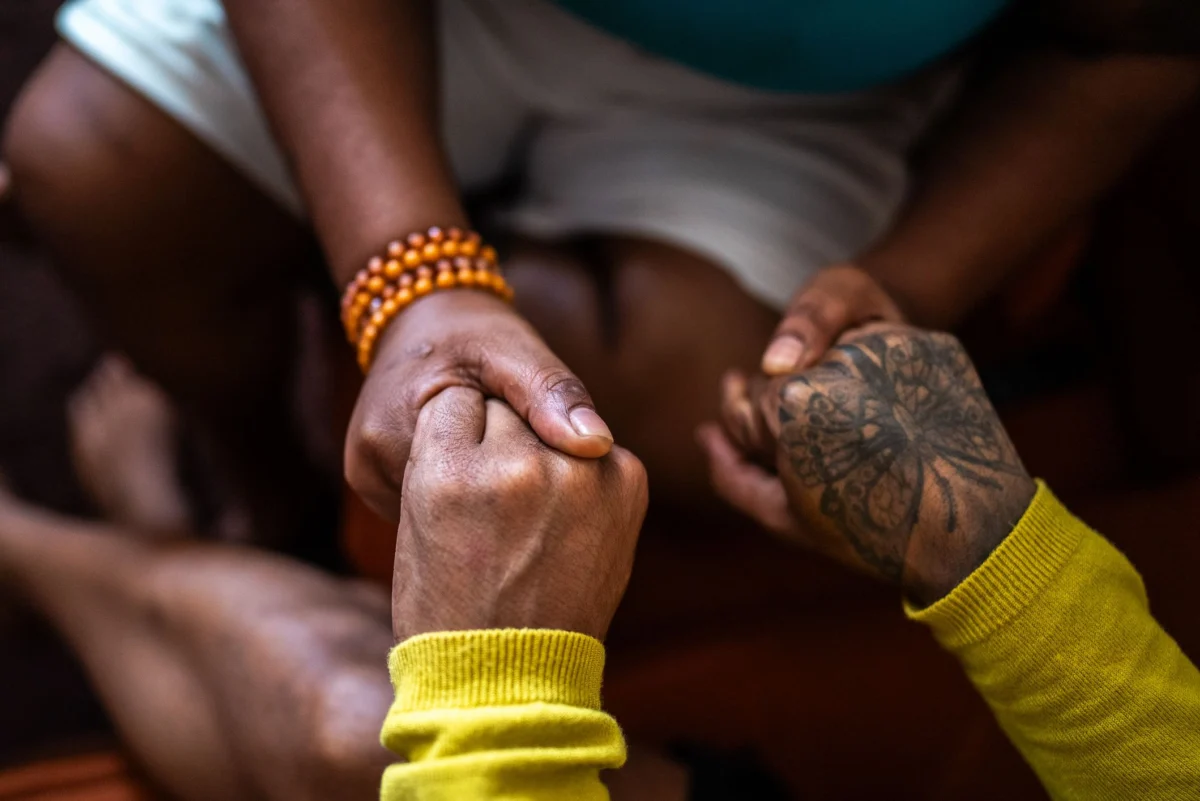
The statistics surrounding Black women’s breast health are, by any objective measure, sobering. They are a narrative of systemic disparities, biological challenges, and a healthcare system that has historically failed to provide equitable outcomes. Yet, to view Black women solely through the lens of these grim metrics is to miss the most critical part of the story: the profound, life-altering, and community-shifting resilience displayed by those who refuse to be defined by a diagnosis.
The Reality of the Numbers: A Statistical Overview
The data, while incomplete in its ability to capture the human experience, paints a stark picture of the landscape Black women navigate. According to the National Breast Cancer Foundation, Black women are diagnosed with breast cancer at a younger median age—60, compared to 62 for their white counterparts. Most alarmingly, they are 38% more likely to die from the disease.

Perhaps the most daunting figure is that Black women face the lowest survival rates across every known stage of breast cancer. A significant driver of this disparity is the prevalence of Triple-Negative Breast Cancer (TNBC). Approximately one in five Black women diagnosed with breast cancer faces TNBC, a particularly aggressive and difficult-to-treat subtype that lacks the hormone receptors (estrogen and progesterone) and the HER2 protein that many other cancers rely on for growth. Because standard hormonal therapies are ineffective against TNBC, these patients often face fewer treatment options and a higher risk of recurrence.
A Chronology of Advocacy: From Personal Battle to Collective Movement
The journey for many Black women often begins not with a routine screening, but with a moment of intuition—a self-exam that reveals a lump that professionals may initially dismiss.

Take the case of Monique Bass, 53, who spent three years pushing for action after doctors repeatedly labeled her growing lump as "benign." It was only through her persistent advocacy that a lumpectomy was performed, revealing stage 1 invasive ductal carcinoma. Similarly, Marylande Regis, a 38-year-old registered nurse, faced dismissal when she reported a lump shortly after breastfeeding. She was told it was likely a clogged duct, but her refusal to accept that assessment led to an early diagnosis of stage 2B BRCA1-positive breast cancer.
These stories follow a recurring chronology:
.jpg)
- The Intuition: A patient notices a physical change or feels that something is fundamentally "off."
- The Dismissal: Medical providers, often citing the patient’s age or "low risk" profile, may suggest a wait-and-see approach.
- The Advocacy: The patient insists on further diagnostics, often against the grain of initial medical advice.
- The Diagnosis: Confirmation of disease, often at a stage where intervention is critical.
- The Pivot: The transition from patient to survivor and, frequently, to advocate.
Supporting Data and Systemic Barriers
Why do these disparities persist? Researchers point to a complex interplay of factors, including systemic racism in healthcare, differences in access to high-quality diagnostic imaging, and, in some cases, biological predispositions.
However, the "data gap" is also a social one. For decades, clinical trials have underrepresented Black women, leading to treatments that may not be optimized for their specific genetic or biological profiles. This is why organizations like the African American Breast Cancer Alliance and the TOUCH Black Breast Cancer Alliance have become essential. They are not merely support groups; they are catalysts for change, forcing the medical establishment to reckon with the reality that health equity is not a suggestion—it is a medical necessity.

The Human Element: Narratives of Courage
The stories of the 13 women highlighted here transcend the clinical, offering a blueprint for survival that includes faith, humor, and a radical commitment to self-care.
Annita White, a PhD student and administrator, describes her journey as a transformation. "What once felt like the end became the beginning of something greater," she says. After surviving stage 1 breast cancer, she now serves as a beacon for others, proving that a cancer diagnosis can, in some cases, clarify one’s purpose.

Jessica Ncube, a licensed clinical social worker, highlights the burden of the "strong Black woman" trope. "Strength became less about holding everything in and more about being honest about what I needed," she notes. Her journey involved a double mastectomy and the hard-won realization that vulnerability is not a weakness, but a component of true health.
For others, like Ricki Fairley, the diagnosis was the catalyst for a total life overhaul. Upon receiving a stage 3A TNBC diagnosis, Fairley "quit her life"—leaving a job and a marriage that no longer served her—to prioritize her peace. After later beating metastatic breast cancer, she co-founded the TOUCH Black Breast Cancer Alliance to ensure that no woman has to navigate the system with as little support as she initially found.

Official Responses and Clinical Implications
The medical community is slowly shifting its focus toward "culturally competent care." This includes:
- Earlier Screening: Advocating for screenings to begin earlier for Black women given the younger median age of diagnosis.
- Increased Research Funding: Targeted initiatives specifically for TNBC to discover new, more effective treatment protocols.
- Integrative Support: Acknowledging that mental health—including therapy—is a vital part of the physical recovery process, particularly for those facing the trauma of a cancer diagnosis.
Physicians are increasingly being trained to listen more intently to patient intuition. The stories of Patricia Fox, who used therapy to "fortify" her mind against the stress of cancer, and Judy Fambrough-Billingsley, who channeled her decades of civil rights activism into her fight, demonstrate that the patient’s psychological state is a critical factor in treatment outcomes.

Implications: Building a New Blueprint
The implications of these stories are clear: survival is a community project. The "blueprint" these women are passing on to the next generation includes:
- Radical Self-Advocacy: Never apologize for asking for a second opinion or demanding an MRI.
- The Power of Community: Whether through podcasts, prayer calls, or nonprofit organizations, finding a tribe is essential to navigating the isolation of treatment.
- Redefining Strength: Strength is not the absence of fear or the ability to endure pain in silence; it is the ability to ask for help, to weep, and to center one’s own peace in the face of chaos.
Conclusion
Black women are far more than a data point. They are the architects of their own survival. While the medical establishment works to close the gap in mortality rates through better research and more equitable access to care, these women continue to bridge the gap with their own stories.

As Ameiko Newman aptly puts it, "Cancer doesn’t define you. You define you." By sharing their experiences—the 3 a.m. phone calls, the head-shaving parties, the moments of rage, and the moments of profound joy—these women are not just surviving; they are building a legacy. They are ensuring that for the woman who comes after them, the statistics will eventually tell a different, far more hopeful story. The path forward requires a systemic commitment to equity, but it is paved by the indomitable spirit of those who have already walked the fire and emerged with a blueprint for the future.
 Asro
Asro
 Suro Senen
 Azzam Bilal Chamdy
