

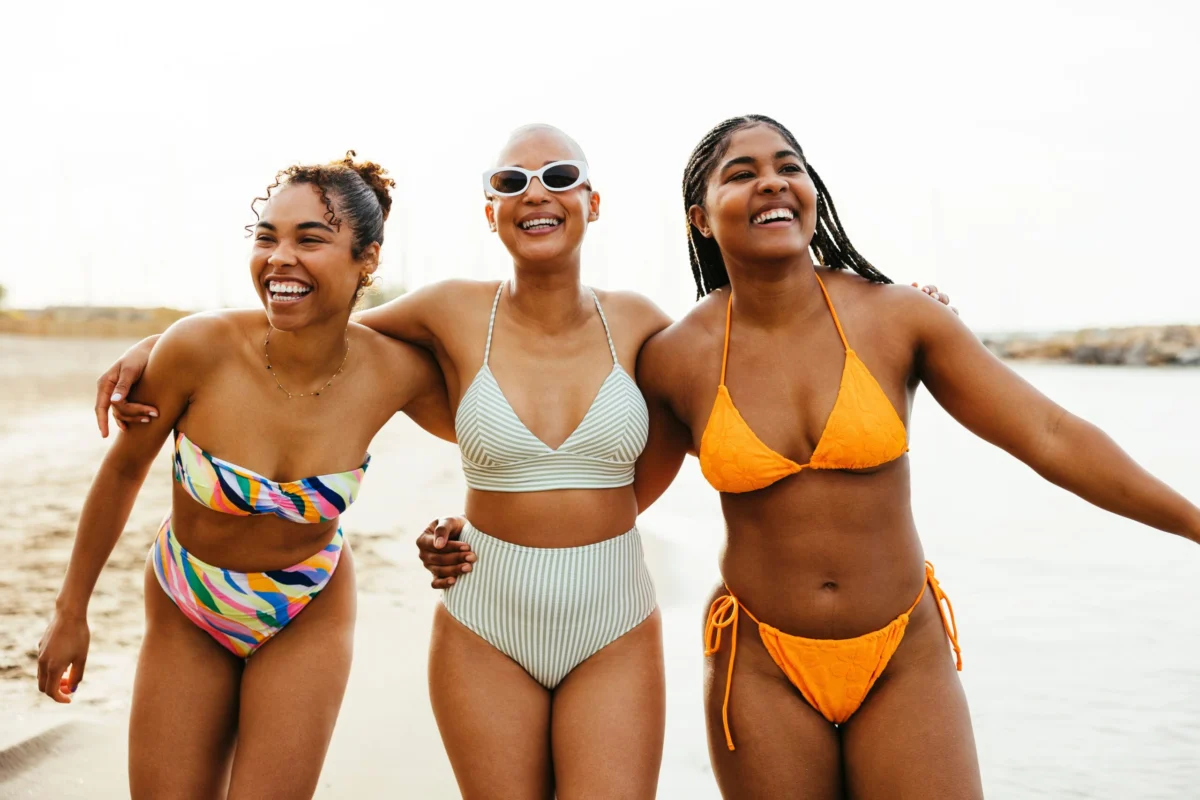
In a travel landscape historically dominated by honeymooners and babymooners, a new trend is emerging, one that centers on self-actualization, friendship, and the celebration of individual achievement. Enter the "we-moon"—a dedicated getaway for single women designed to honor life milestones that fall outside the traditional romantic or parental tracks.
Whether it is the completion of a master’s degree, a hard-earned promotion, or the publication of a first book, the we-moon provides a necessary space for women to celebrate their own victories alongside their closest companions. By shifting the focus from societal expectations to personal fulfillment, this travel movement is redefining how we value our own accomplishments.
The Genesis of the We-Moon
The concept was born out of a quiet realization: society has perfected the art of the celebration for couples and families, but it often leaves single women without a framework to mark their own significant life events.
"So often we have our dream destinations on reserve for the day we can go with the person we’ve agreed to spend our life with," says the author, who recently hosted her own we-moon at the Four Seasons Resort and Residences Anguilla to celebrate the launch of her first book. "There’s the honeymoon and the babymoon, but when do single women get to celebrate life milestones and fulfill the desire for companionship and adventure? That’s the we-moon."
Unlike a typical "girls’ trip," which is often centered on escapism or casual recreation, the we-moon is intentional. It is a curated experience intended to validate the traveler’s path, ensuring that the person who has worked hard for a milestone is given the same level of pomp and circumstance traditionally reserved for brides-to-be or expectant mothers.
Chronology of a Successful Celebration
Planning a we-moon requires a departure from the "groupthink" mentality that often plagues multi-person travel. To ensure the experience remains restorative rather than draining, the planning phase should follow a strategic timeline.
Phase 1: Alignment and Expectation Setting
The most critical step in a we-moon is the pre-trip conversation regarding budget and objectives. As Dr. Joy Harden Bradford, author of Sisterhood Heals, emphasizes, hidden disparities in financial comfort or travel styles are the primary cause of trip-related friction.

"You don’t want to wait until you get there to find out that there’s a difference in the group about that," Dr. Bradford notes. This phase involves frank discussions about rooming preferences, the desired level of luxury, and the balance between group activities and solitary downtime.
Phase 2: The Infrastructure of Privacy
A defining feature of a successful we-moon is the accommodation choice. Unlike a group vacation where guests might squeeze into a shared suite to save costs, the we-moon prioritizes personal space. For the Anguilla trip, the group opted for a villa rental. This provided a "best of both worlds" scenario: the privacy of a personal home paired with the concierge and amenity access of a luxury hotel.
Having individual bedrooms and bathrooms is not just a luxury; it is a psychological necessity. It allows for different biological clocks—the early bird who wants to read on the balcony at sunrise versus the night owl who prefers room service and a late start—to coexist without resentment.
Phase 3: Curated Experiences and Optionality
The itinerary for a we-moon should be flexible by design. While communal experiences—such as a group spa day or a Jeep island tour—foster connection, the schedule must leave room for individual pursuits. During the Anguilla retreat, for instance, a poolside yoga session was offered as an elective. While some opted for a nap, others engaged in a one-on-one session with an instructor to address specific physical needs.
Supporting Data: Why "We-Mooning" Works
The psychology behind the we-moon is rooted in the necessity of deep, non-romantic connection. Research consistently shows that women’s friendships are critical to long-term health and emotional resilience.
According to Dr. Bradford, the we-moon acts as a "pressure valve" for the stresses of modern life. "There’s so much going on in our regular life that there’s a lot of expectations for what a vacation should be," she explains. By moving away from a rigid, "overplanned" itinerary, the group creates an environment where everyone can return to their daily lives feeling restored rather than exhausted.
Furthermore, the integration of "new experiences"—such as a margarita-making class—serves a cognitive function. Engaging in new skills has been linked to improved brain health and neuroplasticity. When these activities are performed in a group setting, they function as a social experiment; the shared experience of learning (or failing) at a new task lowers the guard of the participants, fostering a stronger sense of team cohesion.

Expert Perspectives on Vulnerability
Dr. Joy Harden Bradford emphasizes that the true value of a we-moon lies in the depth of the conversation. When we are caught in the routine of daily life, we often lack the "backdrop" necessary for profound vulnerability.
"If these are people that you’re actually hoping to grow closer to, then it is important to continue to go deeper with those relationships," Dr. Bradford says. "Girls trips really provide a great opportunity and a great backdrop because you are away from your regular routine to maybe get into some of those things that you don’t have time to talk about later."
The key is "setting the mood." Whether it is a late-night session in a private jacuzzi or a quiet moment by a fire pit, the setting must be curated to allow for the unraveling of the self. By creating these intentional "containers" for conversation, friends can move past the superficial and into the transformative.
Implications for the Travel Industry
The rise of the we-moon is not merely a cultural shift; it is a business opportunity. Hospitality brands that recognize this demographic—single, independent, high-achieving women with disposable income—stand to benefit by pivoting their marketing.
Historically, resorts have marketed villa rentals exclusively to families. However, the success of the we-moon model demonstrates a growing demand for "privacy-plus" travel, where groups of friends seek the amenities of a five-star resort without the intrusion of a crowded hotel lobby.
Key Implications:
- Targeted Amenities: Resorts that offer "group-to-individual" concierge services—such as private cooking classes or dedicated yoga instructors—will attract this demographic.
- The End of "Bachelorette-Only" Marketing: Travel providers are beginning to see that women travel in groups for many reasons, not just pre-nuptial celebrations.
- Mental Health and Wellness Focus: The we-moon movement aligns with a broader societal push toward mental wellness, where travel is viewed as an investment in emotional health rather than just a leisure expense.
Conclusion
The "we-moon" is a testament to the fact that companionship is not defined by rings or marriage certificates. It is a deliberate act of choosing one’s community to validate one’s own path.
By removing the pressure to conform to traditional timelines and instead focusing on intentional, private, and restorative travel, women are creating a new tradition. Whether it is a milestone reached or simply a friendship that needs tending, the we-moon proves that the most important celebrations are the ones where we feel most authentically ourselves. As we continue to move toward a more inclusive definition of success, the we-moon will likely become a permanent fixture in the modern traveler’s lexicon—a reminder that the best company we can keep is the one we choose for ourselves.
 Reynand Wu
 Iffa Jayyana
 Lina Irawan
