

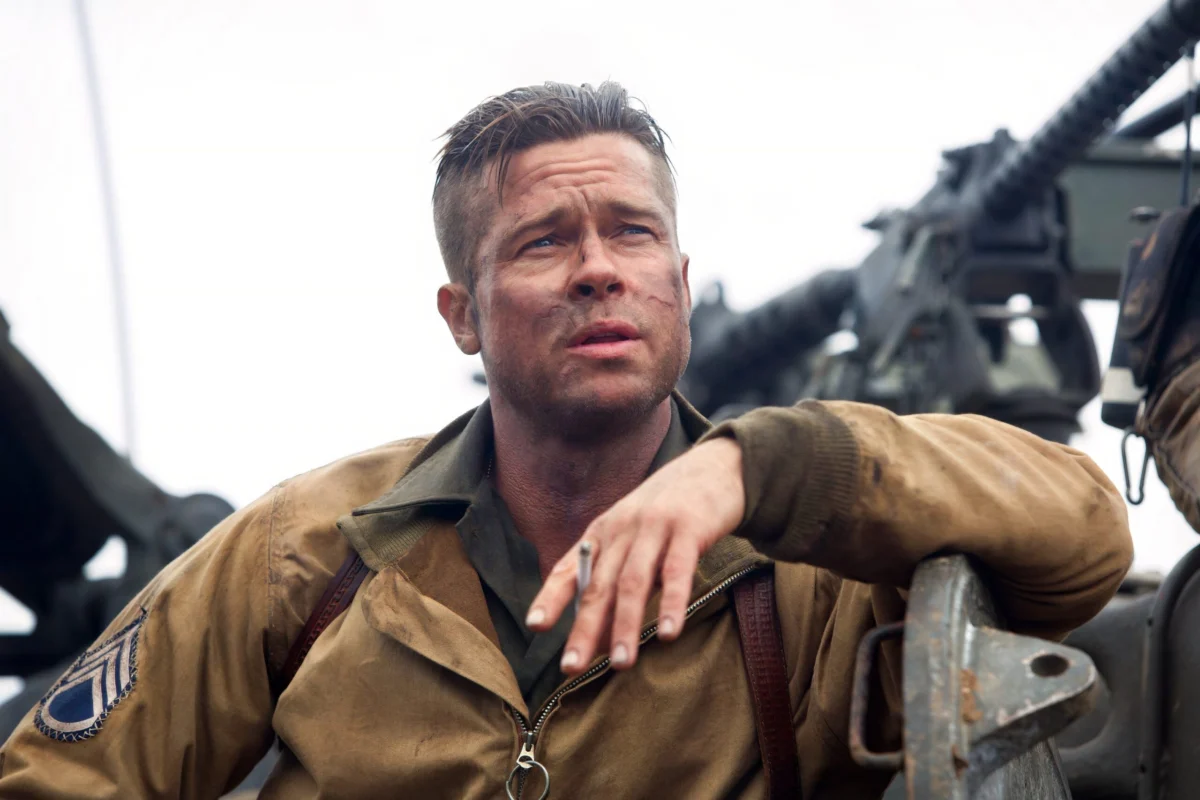
Twelve years after its initial release, David Ayer’s Fury (2014) continues to command attention not merely for its visceral depiction of tank warfare, but for its haunting exploration of the moral erosion inherent in conflict. As the film finds a new audience on Pluto TV this June, it serves as a timely reminder that the most devastating casualties of war are often the fragments of humanity soldiers leave behind in the trenches.
The Power Fantasy and the Reality of Steel
For anyone familiar with the Battlefield video game franchise, the fantasy is familiar: the thrill of being a tank commander, an unstoppable force of steel rolling across a digital landscape, shrugging off incoming fire. Fury provides the cinematic equivalent of that high-octane power fantasy. It is, by almost any metric, one of the most accurate and intense portrayals of armored warfare ever captured on celluloid.
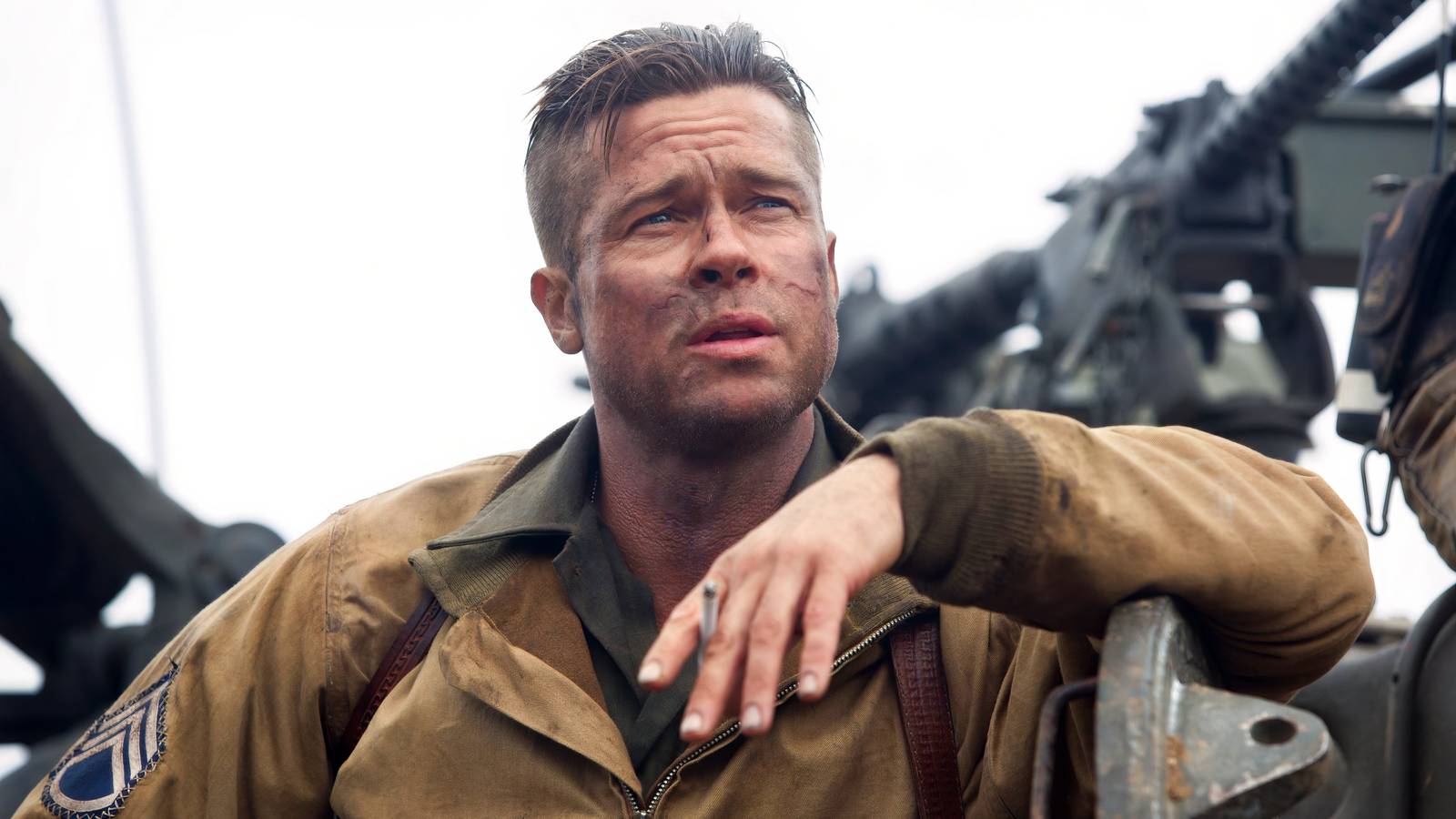
Set in the final weeks of World War II, the narrative follows a battle-hardened American tank crew pushing deep into Nazi Germany. Led by Don "Wardaddy" Collier—portrayed with a jagged, weary intensity by Brad Pitt—the crew is a microcosm of the war’s psychological toll. Alongside Pitt, the ensemble cast includes the volatile Grady (Jon Bernthal), the devoutly religious Boyd (Shia LaBeouf), and the newcomer Norman (Logan Lerman), a clerk-turned-soldier whose innocence acts as the audience’s window into the hellscape of the front lines.
A Chronology of Conflict: From Normandy to the Heart of Germany
To understand the gravity of Fury, one must look at the trajectory of the film’s narrative arc, which mirrors the desperation of the Allied push into the Third Reich.
- The Introduction: We are introduced to the crew of the Sherman tank named "Fury" as they struggle to integrate a fresh, terrified recruit into a unit that has been tempered by years of relentless combat.
- The Tactical Centerpiece: The film’s mid-point features an armored clash against a German Tiger tank. This sequence is a masterclass in tension, highlighting the claustrophobia of a tank and the terrifying, split-second tactical decisions that determine whether a crew lives or dies.
- The Turning Point: The occupation of the village of Kirchohsen marks a shift from external conflict to internal moral struggle. This is the moment where the film pivots from a conventional war movie into a character study.
- The Climax: The final stand, where the damaged, immobilized Fury must face down a battalion of SS soldiers, serves as the ultimate test of the crew’s bond and their commitment to their grim, fatalistic duty.
Supporting Data: The Technical Authenticity of ‘Fury’
Director David Ayer, known for his gritty, grounded approach to storytelling (Suicide Squad, The Beekeeper), insisted on a level of technical and environmental realism that set Fury apart from its contemporaries.
The production utilized a genuine Tiger 131—the only running Tiger tank in the world, on loan from the Bovington Tank Museum. This was not a CGI construct or a prop; it was a 57-ton piece of history. The presence of the authentic machine allowed the actors to interact with the environment in a way that feels tangibly heavy, echoing the "clanking" reality of 1940s warfare.
Furthermore, the film’s sound design—specifically the distinct, metallic "thud" of armor-piercing rounds against steel—was meticulously researched. In an era where war films often lean into stylized, explosive tropes, Fury chose the path of the jarring, sudden, and often silent death that defines the reality of tank crews, who often fought for days without seeing the faces of the men they killed.
The Apartment Sequence: A Study in Moral Duality
While the tank battles are the spectacle, the film’s soul resides in a quiet, domestic scene in an occupied German apartment. Following the capture of Kirchohsen, Wardaddy takes Norman into a home occupied by two women, Emma and her older cousin.
The scene is intentionally designed to provoke anxiety. The audience, conditioned by Wardaddy’s previous behavior—forcing Norman to kill, bullying him, and asserting his dominance—expects the worst. Pitt plays the scene with a razor-thin margin between paternal protection and predatory menace.
However, the scene transforms into something deeply melancholic. As they share eggs, smoke cigarettes, and listen to Norman play the piano, the war outside vanishes. It is a fleeting, fragile glimpse of the lives these men abandoned years prior. This sequence serves as a vital counterpoint to the film’s broader thesis: that war does not necessarily turn men into monsters, but rather forces them into a constant, exhausting struggle to remain human.
Official Responses and Critical Legacy
Upon its 2014 release, critics praised Fury for its uncompromising vision. Reviewers noted that while the film did not shy away from the graphic nature of combat, it was the performances—particularly Pitt’s—that elevated the material.
"Wardaddy is a man hollowed out," one critic noted during the film’s press junket, "but he is not empty." David Ayer has frequently stated in interviews that the character of Wardaddy was intended to represent the "cynical survivor." The film’s legacy lies in its refusal to offer a traditional hero’s journey. There is no redemption arc for the characters; there is only the survival of the unit and the eventual, inevitable loss of their own moral compasses.

Implications: The Moral Cost of Survival
The broader implication of Fury is a grim one. The film argues that "ideals are peaceful, but history is violent." By framing the story around the character of Norman, the audience experiences the slow death of an idealist.
The apartment scene, where Wardaddy protects the women from the lewd, drunken soldiers of his own unit, acts as the final evidence of his internal struggle. He is not a man who has lost his humanity; he is a man who is guarding it behind a wall of violence, terrified that if he drops his guard for a second, he will be consumed by the brutality he has been forced to commit.
As Fury finds a new home on streaming platforms like Pluto TV, it remains a difficult, essential watch. It strips away the romanticism often associated with the "Greatest Generation" and forces the viewer to confront the cost of victory. The battle for the tank is fought with ammunition, but the real war—the one that persists long after the smoke clears—is the fight to maintain one’s own soul in the face of industrial-scale slaughter.
In the final assessment, Fury is more than a war movie; it is a meditation on the limits of endurance. It asks the audience a question that has no easy answer: How much of yourself can you sacrifice for a cause before you cease to be the person you were when the fighting began? Twelve years later, the film’s answer remains as bleak and honest as ever.
 Basiran
 Nana Muazin
 Layla Zulfa
