

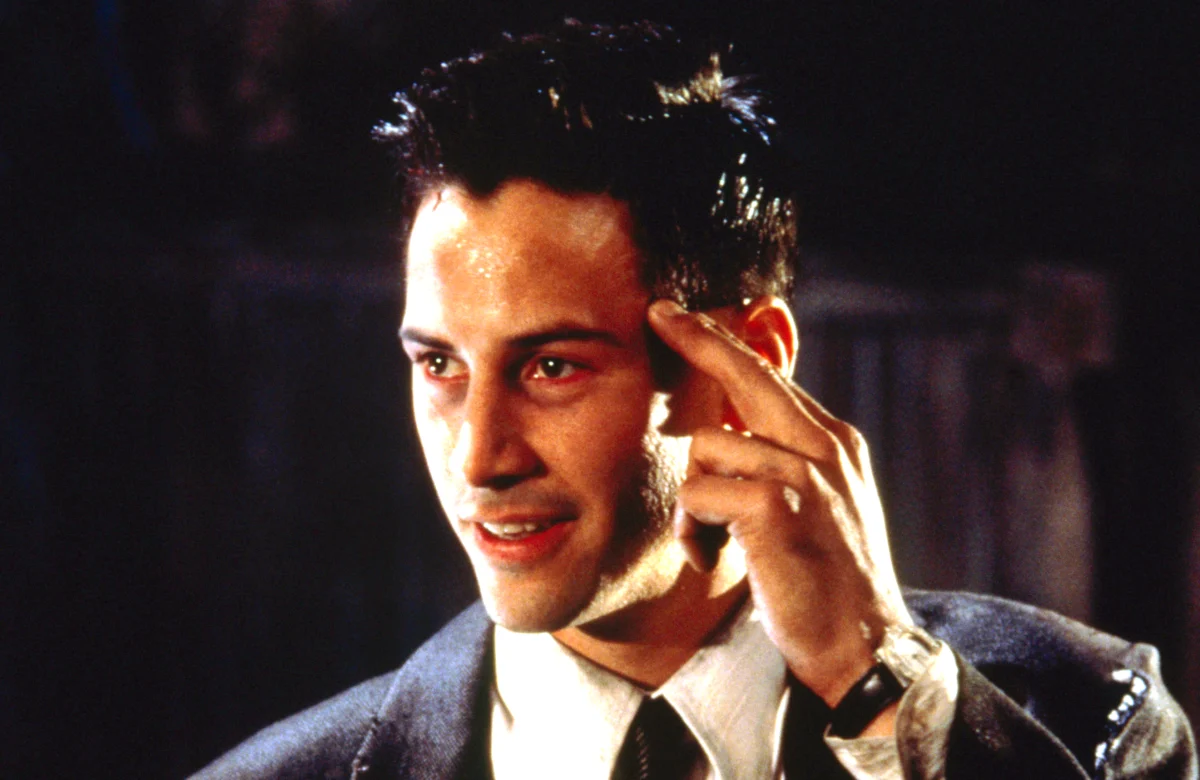
In the vast, shifting landscape of streaming libraries, films often drift into the ether, forgotten until they resurface as cult curiosities. Such is the case with Johnny Mnemonic, the 1995 cyberpunk thriller that serves as a fascinating time capsule of mid-90s anxiety regarding the internet, corporate hegemony, and the fragility of the human mind. With the film slated to depart Netflix on June 30, 2026, viewers have a dwindling window to witness a rare, unhinged performance from Keanu Reeves—a man better known for his stoic, controlled intensity than for the explosive, scenery-chewing outbursts found in this particular feature.
The Premise: Data, Danger, and a Ticking Clock
At its core, Johnny Mnemonic is a high-concept sci-fi tragedy. Based on the short story by William Gibson—the visionary author credited with popularizing the term "cyberspace"—the film stars Keanu Reeves as the titular character, a data courier whose brain has been surgically modified to serve as a high-capacity storage device.
In a world where information is the most dangerous commodity, Johnny is hired to transport sensitive, encrypted data across international borders. The stakes are predictably catastrophic: the data package he is carrying exceeds his brain’s safe storage limit. If he cannot offload the information within a set timeframe, he faces fatal neurological collapse. Toss in a squad of relentless Yakuza assassins, a mysterious corporate cabal, and a lack of reliable allies, and Johnny finds himself in a desperate, neon-soaked race through the industrial decay of a dystopian New Jersey. He eventually aligns with Jane, a cyborg mercenary played by Dina Meyer, in a bid to survive the digital upload that could either save his life or end it.
Chronology of a Cult Classic
To understand Johnny Mnemonic, one must understand the era of its creation.
- 1981: William Gibson publishes the original "Johnny Mnemonic" short story in Omni magazine, establishing the blueprint for the cyberpunk genre.
- 1994: Production begins with a modest vision. Director Robert Longo, a renowned visual artist, initially conceived the project as a low-budget, experimental art film.
- 1995: The film is released to theaters. Following significant studio interference and budget inflation to $30 million, the final product is a jarring hybrid of arthouse aesthetic and big-budget action tropes.
- 1995-2025: Over three decades, the film undergoes a critical reappraisal. While initially panned by critics like Roger Ebert, it gains a dedicated following due to its prescient themes and iconic, surreal imagery.
- 2026: As the film prepares to leave Netflix, it remains a subject of intense discussion among genre enthusiasts, particularly for its influence on modern cyberpunk media like Altered Carbon and Cyberpunk 2077.
The “Room Service” Phenomenon: A Rare Look at Unfiltered Reeves
Keanu Reeves is an actor defined by his reliability. Whether as Neo in The Matrix or John Wick in the eponymous franchise, Reeves provides a grounding, stoic presence that allows audiences to project themselves into his shoes. He is the professional, the friend of the crew, and the master of the "cool" performance.
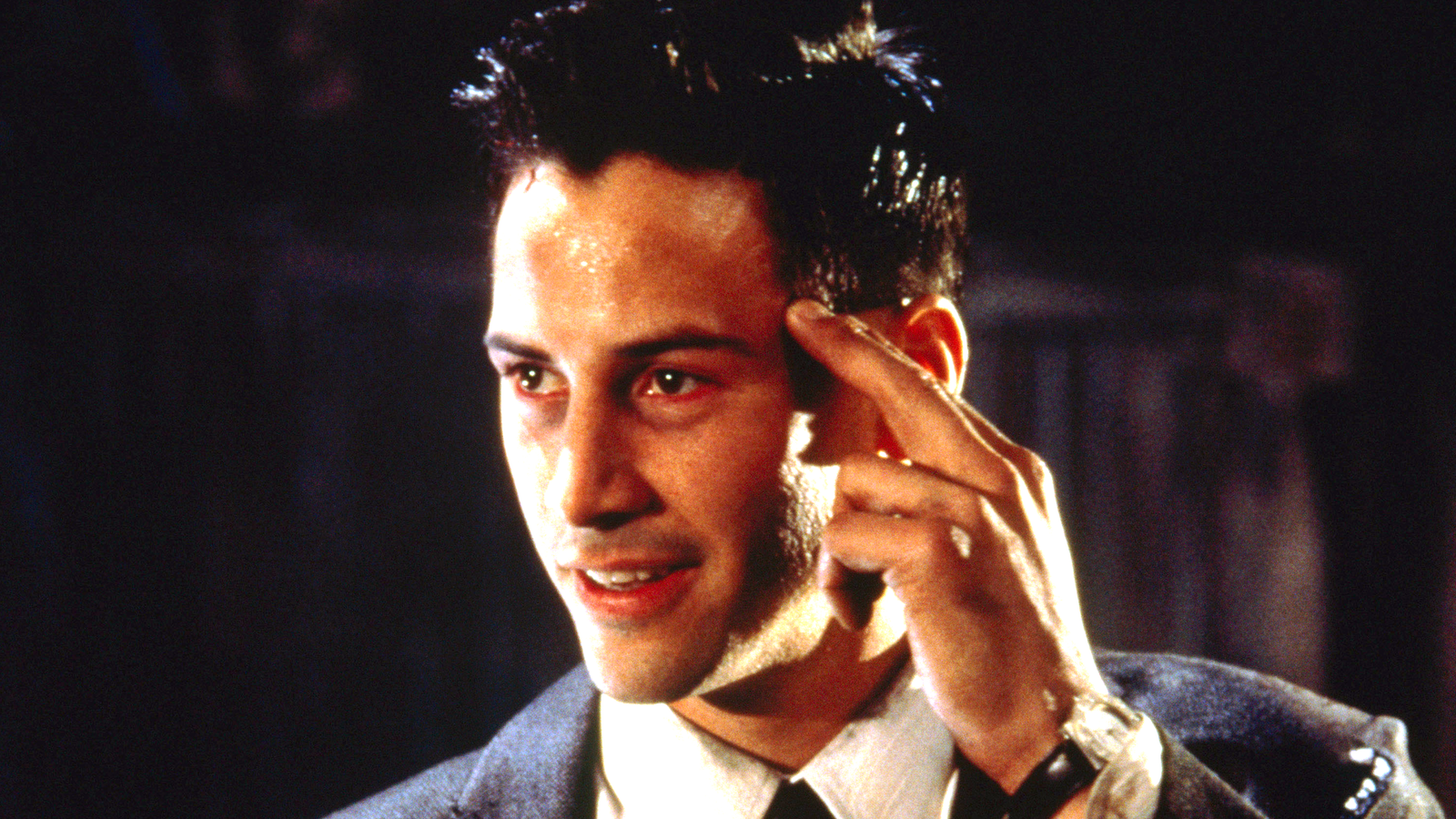
However, Johnny Mnemonic offers a glimpse of an outlier: the "Cage-ian" freakout. Near the film’s climax, following a harrowing encounter with the Street Preacher (played with terrifying intensity by Dolph Lundgren), Johnny finally breaks. In a sequence that has become a staple of internet meme culture, Reeves delivers a 90-second monologue that is as baffling as it is captivating. Screaming about his need for "room service" and the crushing weight of his own existence, it is a moment of pure, unfiltered vulnerability that contradicts every expectation one might have of a Keanu Reeves performance. It is a cinematic anomaly that makes the film essential viewing, if only for the sheer spectacle of seeing a screen legend completely lose his composure.
Supporting Data: A Production History of Excess and Intervention
The history of Johnny Mnemonic is as chaotic as the film’s narrative. Initially, William Gibson and Robert Longo sought a budget of roughly $1.5 million. They envisioned a gritty, black-and-white aesthetic that leaned into the abstract, psychological horror of the source material.
The studio, seeing the potential for a blockbuster, intervened. The budget ballooned to $30 million, and the film was retooled to fit the mold of a standard 1990s action caper. This "suit that doesn’t fit" feeling permeates the movie. It is caught between the high-minded, techno-noir aspirations of Gibson and the demand for explosions, choreographed fights, and a star-studded cast including Ice-T, Takeshi Kitano, and Henry Rollins.
The visual contrast is striking. The film occupies a binary world: places are either sterile, high-tech environments or filthy, industrial ruins. There is no middle class, no suburbs, and no suburban normalcy. This stark dichotomy, while perhaps unintentional due to budgetary constraints, has become the defining visual language of the cyberpunk genre in the decades that followed.
Official Responses and Critical Reception
Historically, the critical reception of Johnny Mnemonic was harsh. In 1995, audiences were confused by its tone, and critics found the plot unnecessarily convoluted. Roger Ebert noted that the film felt like a collection of ideas in search of a cohesive narrative.
However, looking back from 2026, the sentiment has shifted. Modern critics often cite the film’s "messiness" as its greatest strength. It is a movie that refuses to be boring. Every frame is packed with invention, from the rogue AIs lurking in the network to the bizarre fashion and set design that defined 90s digital futurism. While it may not be a "perfect" film, it is a significant one. It is a failure of ambition rather than a failure of imagination, which is a rare commodity in today’s landscape of risk-averse studio filmmaking.
Implications: The Legacy of the Data Courier
Why does Johnny Mnemonic matter now? In an era where artificial intelligence, data privacy, and the physical integration of technology are no longer science fiction but daily realities, the film’s premise feels less like a fantasy and more like a warning.

The film anticipated the obsession with "big data" and the fear of our own neural capacity being overwhelmed by the information age. Beyond its narrative, the film serves as a testament to the "lost" era of filmmaking where directors were given just enough rope to hang themselves—or to create something entirely unique.
For those who want to see the roots of modern cyberpunk, or simply want to witness Keanu Reeves in a moment of unparalleled dramatic intensity, the time to watch is now. Once it leaves the platform, it returns to the shadowy corners of the internet—a fitting place for a movie about a man whose brain is a vault of secret, lost information.
If you find yourself intrigued by the chaos of the 1995 theatrical cut, consider also seeking out the black-and-white extended cut, which brings the film closer to the original vision of Robert Longo. It is, perhaps, the "cleaner" version of a dirty story, but the theatrical version currently on Netflix—with all its glaring, vibrant, and frantic imperfections—remains the definitive experience.
Do not wait for the stream to go cold. Grab your gear, check your brain-ware, and log in to Johnny Mnemonic before the clock runs out on June 30. You might come for the action, but you will stay for the room service.
 Basiran
 Nana Muazin
 Layla Zulfa
