

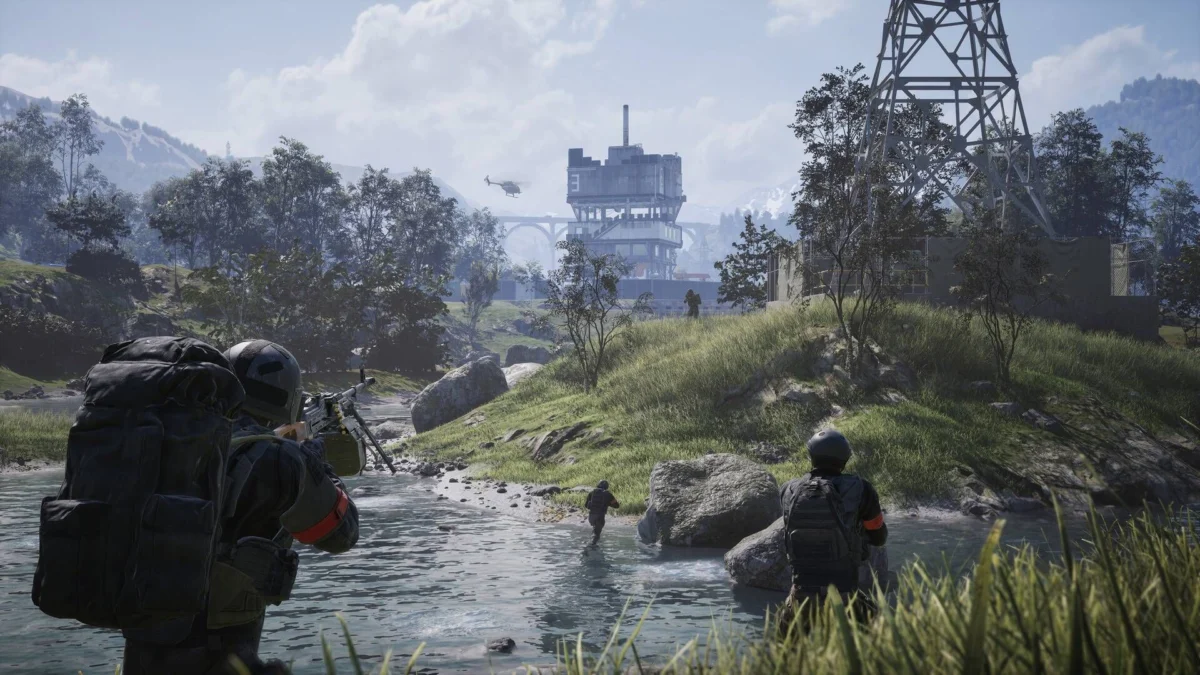
In the hyper-competitive landscape of first-person shooters (FPS), the industry has long been bifurcated into two distinct camps: the twitch-reflex arcade shooters like Call of Duty and the punishing, ultra-realistic simulations such as Escape from Tarkov or Hell Let Loose. For the aging demographic of players who grew up on the golden age of shooters but now find themselves juggling career demands and parenthood, the options have felt increasingly binary.
Enter Wardogs, the latest ambitious project from Bulkhead. Positioned as a "tactical all-out warfare" experience, the game aims to carve out a sophisticated middle ground. It is designed for the player who craves depth and strategy but lacks the hours required to maintain the high-octane mechanical precision of a professional e-sports athlete.
The Core Philosophy: "Selfish Teamwork"
At the heart of Wardogs is a design philosophy that challenges the traditional "hero shooter" or "milsim" tropes. Bulkhead CEO Joe Brammer describes the game’s primary mechanic as "selfish teamwork"—a concept that ensures every player, regardless of their skill level or playstyle, remains an asset to their team.
"One of the best mechanics in Wardogs is what we call ‘selfish teamwork,’" Brammer explained during a recent interview. "Let’s say you just want to make in-game cash. The way you do that is by getting kills, or perhaps you choose to be a sniper, hanging out on the edge of the zone to pick off opposition players. You are playing for your own gain, but by the very nature of being in the zone and reducing the enemy’s player count, you are contributing to the collective objective. You can’t not help your team."
This design intent is a direct response to the "lone wolf" problem that plagues many large-scale multiplayer titles, where players often ignore objectives to chase personal statistics. In Wardogs, the game’s systems reward the individual’s desire for progress while funneling that energy into the team’s success.
Chronology of Development: From Arena Shooters to Tactical Warfare
The path to Wardogs is rooted in the history of Bulkhead itself. The studio’s debut title, Battalion 1944, was a love letter to the classic arena shooters of the late 90s and early 2000s, such as Counter-Strike and Quake. At that time, the development team was composed of younger, reflex-driven players who could compete at the highest levels of competitive play.
However, as the studio matured, so did its creators. The shift from the twitch-heavy Battalion 1944 to the more methodical Wardogs reflects a natural evolution of the team’s own life stages.
- 2016–2018: The era of Battalion 1944. Bulkhead establishes its reputation for tight, high-skill-ceiling gunplay.
- 2022–2024: Conceptualization of Wardogs. The team identifies a "missing middle" in the shooter market—games that are tactical but not necessarily "punishing" to the point of being a second job.
- 2025: The shift toward systems-heavy design. The team begins implementing RuneScape-style skill progression, where proficiency in weapons and movement is gained through active use rather than arbitrary level-ups.
- June 2026: Official unveiling and entry into closed pre-alpha playtesting. The studio pivots toward gathering community feedback to refine the balance between complexity and accessibility.
Supporting Data: The "Dad Gamer" Demographic
The term "dad gamer" is often used colloquially, but it represents a massive, underserved demographic of players between the ages of 30 and 45. These players have significant disposable income but extremely limited time.
Bulkhead’s internal testing data suggests that Wardogs has the potential to bridge the gap between casual and hardcore. In an anecdote provided by Brammer, he described how the studio’s operations team—mostly young non-gamers—were successfully integrated into the gameplay loop.
"When they’re playtesting, they think they’re actually in a war. They think they’re going to die, and they aren’t enjoying that fear," Brammer noted. "But because it matters how many people you have in the control zone, whoever had the operations team on their side was winning. There were five people just sitting in a building, terrified, and yet they were still contributing to the team effort."
This suggests that Wardogs isn’t just about reaction time; it’s about positioning, presence, and the weight of numbers. By allowing players to contribute through passive utility—such as holding a sector—the game creates a low-pressure entry point for less experienced players, while the deep mechanics (base-building, vehicle management, and a vast weapon economy) keep the hardcore audience engaged.
Official Responses and Strategic Intent
When asked about the shift in tone, Brammer is candid about his personal life informing his creative output. Now 33, with a two-year-old child at home, he admits that the days of grinding for thousands of hours to maintain top-tier reflex speeds are over.
"I haven’t got time to be as good as the younger crowd now," Brammer said, laughing. "It didn’t have to be a gap in the market for us to develop Wardogs; it just had to be something that we thought was cool. When we make games that we want to play in our evenings, we make a better game because of it."
This sentiment is echoed across the studio. The team is no longer building for the e-sports stage; they are building for their own living rooms. By focusing on "fun" over "frustration," they are betting that a large portion of the market feels the same fatigue toward the current crop of punishing, high-stakes shooters.

Technical Ambition: 100-Player Warfare
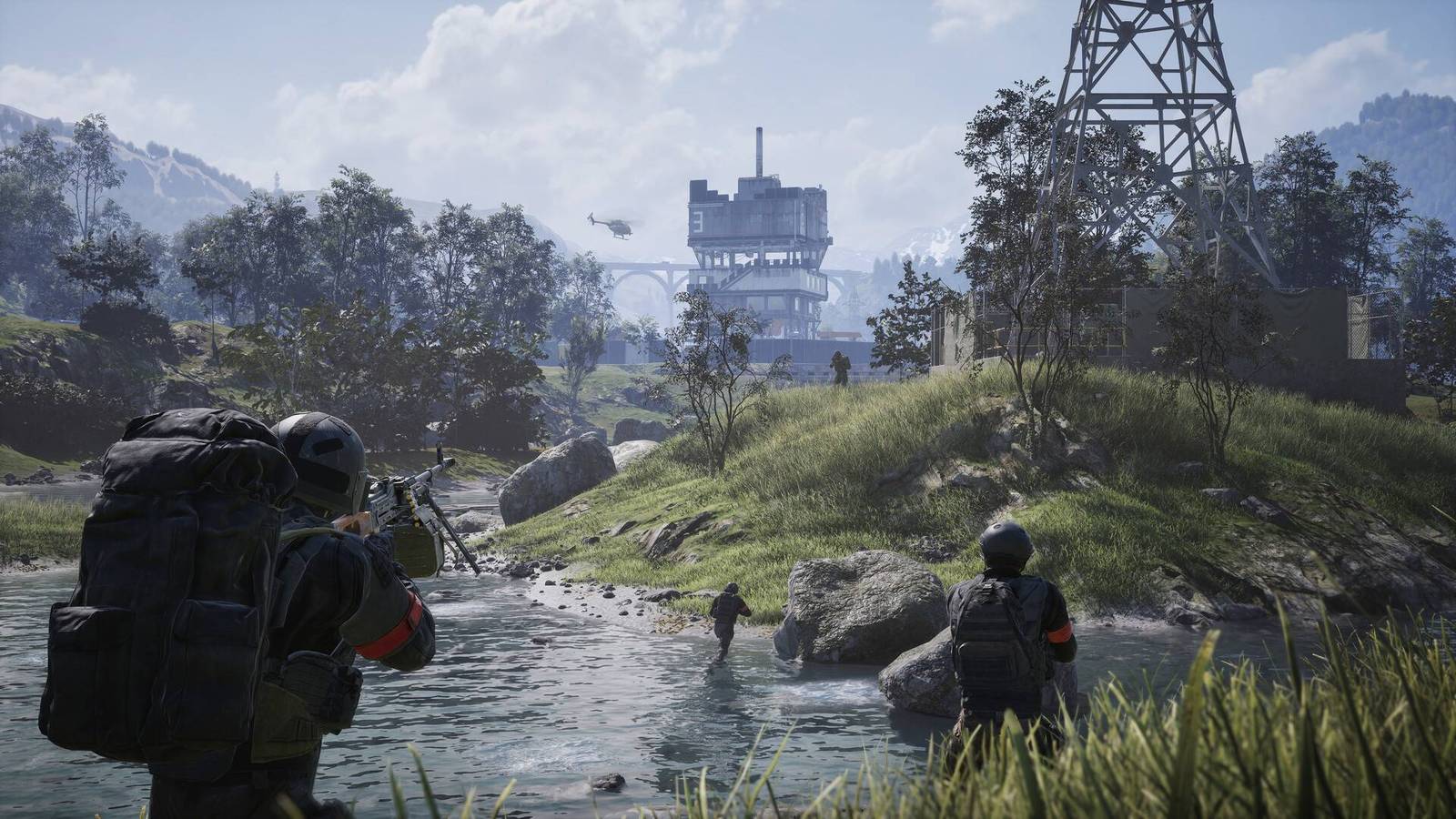
To support this "all-out" vision, Wardogs boasts an impressive technical feature set:
- 100-Player Matches: Allowing for massive, shifting frontlines that make every player feel like a small part of a larger, living conflict.
- Destructible Environments: Ensuring that no defensive position is truly permanent, forcing players to adapt their strategies as the map literally falls apart around them.
- Cash-Based Metagame: A persistent economy that allows players to trade, upgrade, and customize their loadouts, adding a layer of strategic depth that persists between matches.
- Base-Building: Integrating elements of survival-crafting into the frontline, allowing squads to create their own forward operating bases or fortifications.
Implications for the FPS Genre
If Wardogs succeeds, it could signal a significant pivot in how FPS games are marketed and developed. For the last decade, the trend has been toward "hardcore realism"—a genre that demands complete immersion and often punishes mistakes with long respawn timers or the loss of all equipped gear.
Wardogs proposes a different path: one where the game is "hardcore" in its breadth of systems, but "accessible" in its application. By valuing player time and rewarding strategic presence over purely twitch-based mechanical skill, Bulkhead is betting on a future where shooters can be both sophisticated and sustainable for the average adult.
As the industry moves toward the scheduled early access launch later this year, the success of Wardogs will likely depend on whether it can maintain that delicate balance. Can it remain deep enough for the veterans, yet welcoming enough for the "dad gamer" who just wants to log in for an hour after the kids are in bed?
For now, the project remains one of the most anticipated entries in the genre. As Brammer puts it, the goal is simple: "We’re making the game that we want to play." If history is any indication, that shared passion is often the most vital ingredient for long-term success in a crowded gaming market.
 Nana Muazin
 Layla Zulfa
 Basiran
