

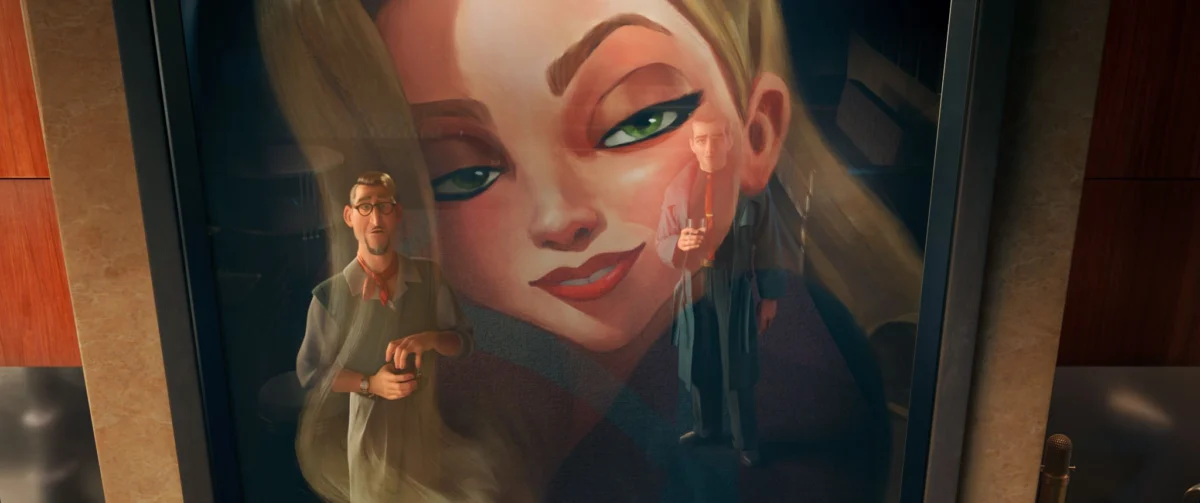
For nearly three decades, the name Ray Gunn has existed as a phantom project in the mind of one of animation’s most revered auteurs, Brad Bird. Long before he delivered the high-octane superheroics of The Incredibles or the culinary charm of Ratatouille, Bird was sketching out the contours of a gritty, neo-noir sci-fi world—a story he famously described as "the Maltese Falcon meets Buck Rogers."
Now, with the project finally reaching fruition under the partnership of Skydance Animation and Netflix, the film is slated for a global streaming release on December 18, 2026. Yet, despite the triumph of finally bringing his "white whale" to the screen, Bird finds himself in a new kind of battle: the struggle to convince the world’s largest streaming platform to give his passion project the one thing it lacks—a grand, cinematic theatrical run.
The Genesis of a Neo-Noir Dream: A 30-Year Chronology
To understand the weight of Ray Gunn, one must look back to the late 1990s. Before Bird revolutionized the medium with 1999’s The Iron Giant, the seeds for a stylized, hand-drawn detective story were already being planted. Unlike the bright, expansive worlds that defined his later career at Pixar, Ray Gunn was born from a desire to explore the shadows.
- The Conceptual Phase (1995–1999): Bird began formulating the project as a stylistic antithesis to the then-dominant trends in animation. He envisioned a world steeped in atmosphere, rain-slicked streets, and moral ambiguity—elements that would become hallmarks of his creative identity.
- The Pixar Years (2000–2018): Throughout his tenure at Pixar, where he directed The Incredibles and Ratatouille, Bird kept Ray Gunn in the "drawer." He has noted that it was never a fit for the studio’s mandate, which favored heartfelt, family-centric narratives over the hard-boiled, cynical edge of a detective noir.
- The Skydance Pivot (2020–2024): With the shift in the animation landscape, Bird found a home at Skydance Animation. The partnership allowed him the creative freedom to finally realize his vision, utilizing a blend of traditional hand-drawn techniques and modern digital craftsmanship to capture the "noir" aesthetic he had cultivated for thirty years.
- The Netflix Acquisition (2025–2026): Netflix stepped in to distribute the project, providing the backing necessary to complete the ambitious film. However, the streaming model presents a final, existential hurdle for the director: the digital-first release.
A Director’s Plea: "It’s For People That Like Movies"
Speaking at the Annecy International Animation Film Festival in June 2026, Bird was candid about his frustration with the current state of distribution. When confronted with the inevitable industry question—"Who is this movie for?"—his answer was as blunt as a hard-boiled detective’s dialogue.
"It’s a movie I wanted to see and that never changed," Bird told Polygon. "It’s for people that like movies, OK?"
This statement highlights the central tension of the film’s release. Bird views Ray Gunn not as "content" to be consumed on a tablet or a laptop while multitasking, but as an immersive sensory experience. He has been actively lobbying Netflix to allow for a limited theatrical window, a move that the streamer has flirted with in the past.
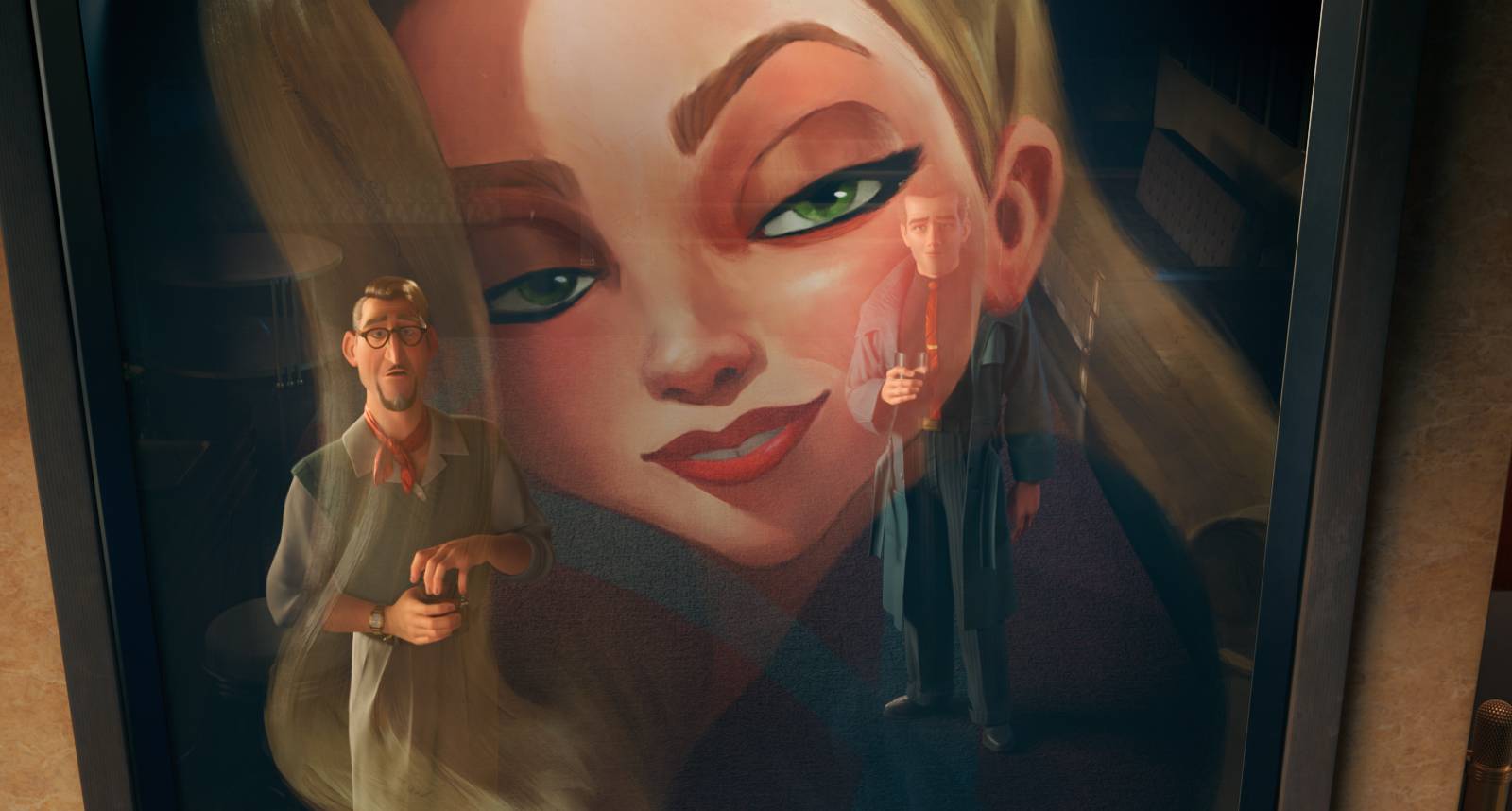
Netflix has previously opened the doors of cinema for major projects—including the high-profile KPop Demon Hunters and the series finale of Stranger Things. Bird is hoping that Ray Gunn will be granted similar prestige treatment. "I’m talking. I don’t know whether they’re listening," he admitted with a laugh, underscoring the power imbalance between an auteur and a data-driven distribution giant.
The Case for the Big Screen: Artistry Over Algorithm
Brad Bird’s insistence on theatricality is not mere nostalgia; it is a defense of his specific craft. Bird has long been a champion of hand-drawn animation, a medium he believes has been unfairly sidelined by the industry’s obsession with hyper-realistic CGI.
The Hand-Drawn Aesthetic
"It was hand-drawn in my mind, and Pixar didn’t do that," Bird explained. He rejects the notion that hand-drawn animation is an "outdated" medium, arguing that its aesthetic impact is entirely dependent on the vision of the filmmaker. For Ray Gunn, the texture, the line work, and the deliberate use of light and shadow are intended to wash over an audience in a darkened room, not to be viewed through the flat, pixelated glare of a living room screen.
The "Cinema United" Philosophy
Bird’s advocacy is backed by his membership in Cinema United, an organization dedicated to preserving the theatrical experience. For Bird, the act of going to the movies is a communal covenant—an agreement between the viewer and the creator to engage with the artform without distraction.
If Netflix remains immovable, Bird offers a tongue-in-cheek solution for his fans. "I would recommend you find the biggest screen you can, even if it’s down the street at your neighbor’s place," he says. "Barge right in there and say, ‘We’re seeing this movie because you have a big screen and that’s the way it should be seen.’"
Why the Genre Still Matters: Greed and Technology
Beyond the medium, the message of Ray Gunn remains strikingly relevant. In the decades since Bird first dreamed up the story, the world has drifted closer to the dystopian realities that noir fiction often explores. The emergence of high-tech surveillance, the rise of powerful, unchecked corporations, and the ethical dilemmas posed by rapidly evolving technology make the themes of Ray Gunn more poignant today than they were in the 90s.

"There are certain things that will eternally be there," Bird notes. "Greed will always be current, and the dark and positive side of technology will always be current. Those elements never go out of style."
By positioning Ray Gunn alongside modern genre pillars like Blade Runner 2049 and The Expanse, it becomes clear that Bird is looking to create a definitive entry in the canon. He is not merely directing an animated film; he is crafting a piece of cinematic history that addresses the human condition through the lens of a futuristic detective story.
Implications for the Future of Animation
The outcome of the Ray Gunn distribution debate may have far-reaching implications for the industry. As streamers continue to consolidate power, the ability for a legendary director to advocate for a traditional theatrical release serves as a litmus test for how "prestige" animation will be treated in the coming decade.
If Netflix grants a theatrical release, it could signal a shift in their strategy—one that acknowledges that certain "auteur-driven" films require the gravity and scope of a theater to achieve their full cultural impact. If they deny it, it may cement the divide between the "streaming-exclusive" content factory and the "event-cinema" experience that directors like Bird still fight to protect.
Ultimately, Ray Gunn represents more than just a long-delayed passion project. It is a stand-off between the efficiency of the digital age and the romanticism of the silver screen. For Brad Bird, the goal is simple: he wants his audience to look up, be swallowed by the dark, and see the story exactly as he saw it thirty years ago—in the biggest, brightest light possible.
 Nana Muazin
 Layla Zulfa
 Basiran
