

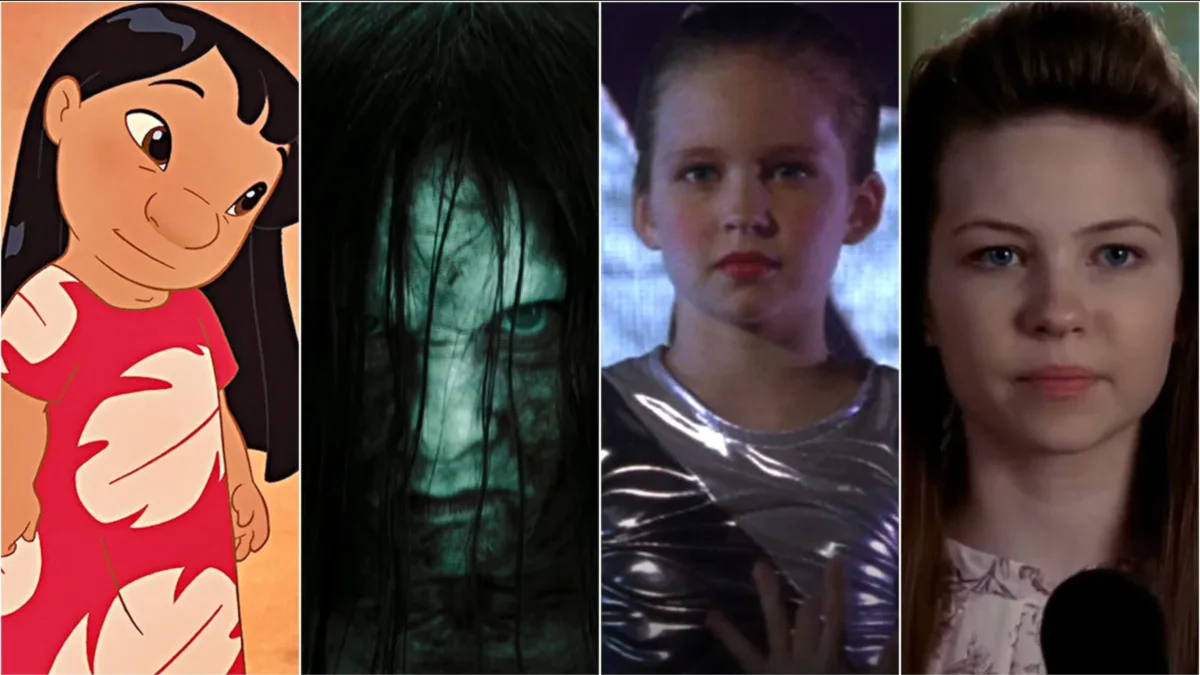
The entertainment industry is once again mourning the loss of a talent who defined the childhoods of millions, only to face a harrowing decline out of the public eye. Daveigh Chase, the actress best known for voicing Lilo Pelekai in Disney’s Lilo & Stitch and portraying the terrifying Samara Morgan in The Ring, has died at the age of 35.
On Monday, a report released by the Los Angeles County Department of Medical Examiner provided a definitive, if sobering, conclusion to the speculation surrounding her passing. According to the medical report, Chase—who was also known by the name Daveigh Schwallier—died on June 16, 2026, at a hospital in Los Angeles. The official cause of death has been identified as acquired immunodeficiency syndrome (AIDS), with chronic polysubstance use cited as a significant contributing factor.
The Official Findings: A Medical Perspective
The medical examiner’s report sheds light on the final, turbulent months of the actress’s life. While initial reports from relatives at the time of her death suggested she was suffering from meningitis and a severe blood infection, the post-mortem investigation revealed a more complex clinical reality.
AIDS, the advanced stage of HIV infection, had severely compromised Chase’s immune system. This, coupled with what medical professionals define as "chronic polysubstance use"—the consumption of multiple psychoactive substances either simultaneously or within a brief, overlapping window—created a fatal confluence of health complications. The Centers for Disease Control and Prevention (CDC) notes that polysubstance use significantly increases the risk of adverse health outcomes, as different substances can interact in unpredictable and often lethal ways within the human body.
The revelation of her struggle with substance abuse provides a painful coda to a life that began with immense promise and global recognition.
A Chronology of a Promising Career
Born Daveigh Elizabeth Chase-Schwallier in 1990, the young actress began her journey in Hollywood at the tender age of eight. Her early career was marked by a series of high-profile guest appearances on staple television programs of the late 1990s and early 2000s, including Sabrina the Teenage Witch and the long-running medical drama ER.
The Breakthrough Years
Her transition from a promising child actor to a household name occurred in 2001 with the release of the cult classic Donnie Darko. Playing Samantha Darko, the younger sister to Jake Gyllenhaal’s titular character, Chase displayed a range that belied her age.
However, it was 2002 that would cement her place in cinema history. That year, she achieved a rare feat: she became the voice of a beloved Disney icon while simultaneously terrifying audiences worldwide. As the voice of Lilo in Lilo & Stitch, she captured the hearts of millions with her portrayal of a lonely, spirited Hawaiian girl. The character’s success led to a franchise that spanned sequels and a television series consisting of 67 episodes, ensuring that Chase’s voice would be synonymous with the "Ohana" philosophy for a generation.
Simultaneously, she terrified the nation as Samara Morgan in Gore Verbinski’s horror masterpiece, The Ring. Her physical performance—the unnerving, crawling gait and the iconic image of a girl emerging from a television screen—remains one of the most indelible horror images of the 21st century.
Mid-Career and Final Roles
As she moved into her teenage years and early adulthood, Chase continued to work steadily. She secured a recurring role in HBO’s critically acclaimed drama Big Love, portraying Rhonda Volmer, the teenage bride of a polygamist cult leader. The role showcased her ability to tackle dark, complex material.
However, as the 2010s progressed, her filmography began to thin. Her final movie credit, the 2016 indie thriller American Romance, marked a shift away from the spotlight. In the years that followed, reports began to circulate about her personal struggles, with various news organizations noting that she had become homeless and was frequently seen in the vicinity of the Los Angeles hospital where she would eventually spend her final days.
The Shadow of Public Life: Supporting Data and Context
The trajectory of Daveigh Chase’s life is a poignant reminder of the "child star syndrome," a phenomenon where the immense pressures of early fame, the lack of traditional developmental milestones, and the transition into adult roles often lead to severe psychological and physical consequences.
While the entertainment industry has made strides in providing resources for young actors, the stories of those who lose their way remain frequent. The reports of Chase’s homelessness in her final years underscore the fragility of success in Hollywood. Despite the wealth and acclaim earned during her formative years, the lack of a sustainable safety net—or the isolation that often accompanies the end of a child star’s relevance—can leave individuals vulnerable to the cycle of poverty and addiction.
Official Responses and Public Reaction
Following the release of the medical report, the reaction from both the public and industry peers has been one of deep sorrow. Fans have taken to social media to share clips of her work, particularly the heartfelt moments from Lilo & Stitch and the chilling sequences from The Ring.
There has been no formal statement from her immediate family, who had previously maintained privacy regarding her health struggles. The Los Angeles County Coroner’s office has indicated that the case is now closed, though the file remains a stark record of the systemic failures that can affect even the most visible public figures.
Implications: A Call for Industry Accountability
The death of Daveigh Chase at only 35 years old raises critical questions about the entertainment industry’s responsibility toward its youngest employees. The "burnout" of child actors is not a new narrative, but it remains an urgent one.
The Mental Health Crisis in Hollywood
The intersection of substance abuse and mental health is a persistent epidemic within the arts. The normalization of high-stress environments, the pressure to maintain a "perfect" image, and the sudden cessation of work upon reaching adulthood can create a vacuum that many attempt to fill with substances.
Industry experts argue that more robust support systems—including mandatory long-term mental health counseling, financial literacy education, and post-childhood career counseling—are necessary. The goal is to move beyond mere legal compliance with labor laws and toward a culture of care that protects the person, not just the "brand."
Redefining the Narrative
The public’s interest in the causes of death for figures like Chase is often voyeuristic, but it also reflects a genuine concern for the human beings behind the characters. By bringing the reality of her struggle with HIV and polysubstance use into the light, the medical examiner’s report serves as a somber reminder that behind the silver screen lies a human life capable of being overwhelmed by the very same societal challenges that affect the general population.
Conclusion
Daveigh Chase’s legacy is complex. To many, she will always be the young girl who taught us that "Ohana means family." To others, she will remain the face of the horror genre’s most iconic villain. But to those who knew the reality of her final years, she was a person navigating a profound struggle who was ultimately failed by the systems around her.
As we look back on her career, the focus should not merely be on the tragedy of her end, but on the profound impact she had on the culture of the early 2000s. Her talent was immense, and her influence on the generations that grew up watching her remains undeniable. Her passing is a call to action for the industry to better protect those it chooses to place in the spotlight, ensuring that the next generation of child actors has the resources to thrive long after the cameras stop rolling.
In her passing, the industry is forced to confront the reality that for every star that shines brightly on screen, there is a human life that requires, and deserves, much more than just a fleeting moment of fame.
 Pevita Pearce
 Asro
Asro
 Lina Irawan
