

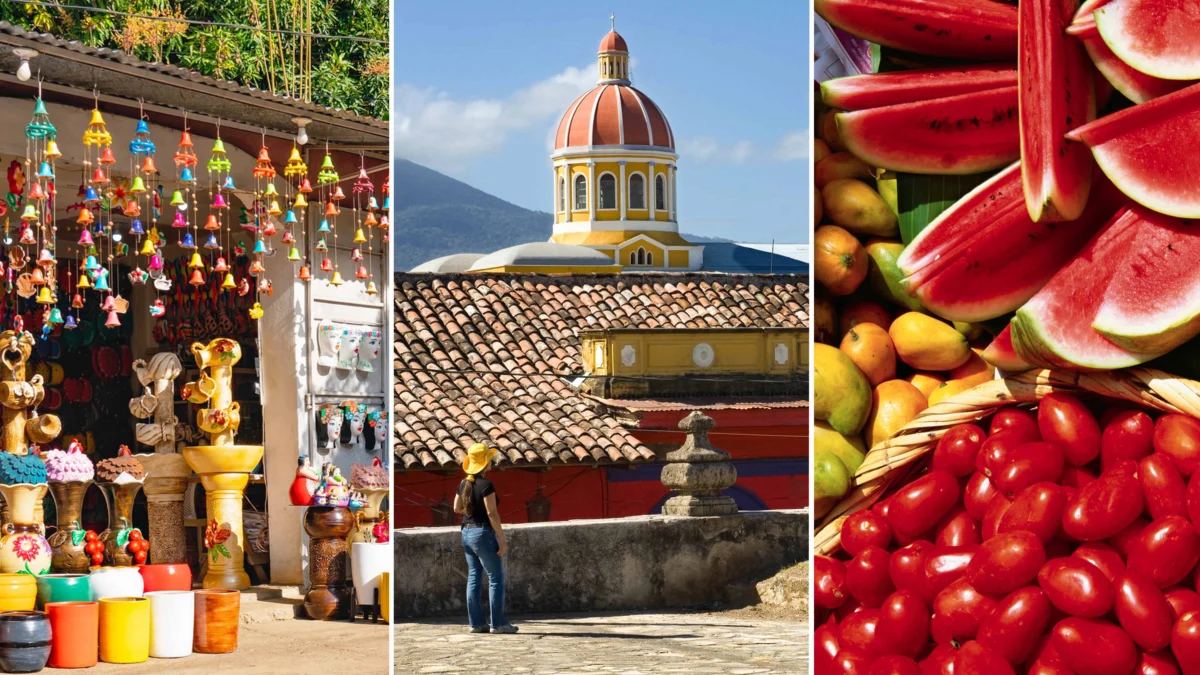
In the humid, sun-drenched streets of Granada, Nicaragua—the oldest colonial city in the Americas—the air is thick with the scent of roasting coffee and the rhythmic, melodic cadence of local telenovelas spilling from open doorways. For the casual tourist, the scene is a picturesque tableau of Spanish-style architecture and vibrant street markets. But for those traveling with Aurora Alvarez-Granados Ramírez, the experience is profoundly different.
Alvarez-Granados Ramírez is a bilingual guide who has redefined the traditional travel narrative in Central America. As a transgender woman, she navigates a region where LGBTQIA+ visibility often carries significant risk, transforming her professional role into an act of advocacy, cultural preservation, and radical authenticity.
The Chronology of a Journey
The journey, a two-week expedition spanning Nicaragua, Honduras, El Salvador, and Guatemala, brings together a diverse cohort of travelers ranging from 20 to 75 years old. Hailing from the United States, the United Kingdom, and Australia, the group is united by a desire to look beyond the surface of a region often reduced to "volcano-boarding" and colonial facades.
The itinerary is a carefully curated path through history and modern resilience. It begins in the colonial heart of Granada and moves through the cultural hubs of Managua—specifically the vibrant nightlife of Los Robles—before heading to the archaeological majesty of Copán in Honduras. As the trip winds through the western highlands of Guatemala and the urban centers of El Salvador, the group engages with the lived reality of the local population, far removed from the sanitized corridors of luxury resorts.
Indigenous Heritage and the Fluidity of Identity
A pivotal element of the tour is the intersection of modern queer identity with ancient Indigenous wisdom. Growing up surrounded by rigid, traditional Central American gender norms, Alvarez-Granados Ramírez found liberation in the spiritual tenets of her K’iche’ Mayan heritage.

"I grew up with my family telling me that every woman and every man has female and male energy within, and we can access this power at any time," she explains. This philosophy serves as a cornerstone for her guiding practice. Rather than presenting the region through a binary lens, she invites travelers to consider a more fluid, ancestral understanding of human existence.
This is most evident in her discussion of the huipil—a traditional garment worn by Mayan women. In modern Guatemala, the huipil has been reclaimed by the transgender community as a symbol of intersectional pride. For the trans women who wear it, the garment is not merely a piece of cloth; it is a declaration of existence, bridging the gap between cultural heritage and personal gender identity.
Supporting Data: The Reality of LGBTQIA+ Life in Central America
Travel in Central America for queer individuals remains a complex endeavor. Data from organizations like Equaldex highlights that while some regions are seeing a slow shift in public opinion, legal protections remain inconsistent and often unenforced.
- Social Challenges: Transgender individuals frequently face public harassment, misgendering, and social ostracization.
- Safety Protocols: For guides like Alvarez-Granados Ramírez, safety is an active, ongoing process. It involves "reading the room" and assessing potential risks in real-time, a burden that many tourists never have to contemplate.
- Community Resources: Despite systemic hurdles, pockets of thriving culture exist. Organizations such as Reinas de la Noche Otrans in Guatemala City provide essential medical and mental health services to the queer community, proving that resilience in the region is organized and institutionalized.
Voices of the Region: Mask-Makers and Revolution
In the Monimbó neighborhood of Masaya, Nicaragua, the tour encounters a multigenerational family of mask-makers. These artisans create pieces that are more than decorative; they are tools of history.
Alvarez-Granados Ramírez explains the historical significance: "During the last days of the Somoza dictatorship, locals wore these masks to protect their faces in battle and hide their identity, making them a symbol of resistance, revolution, and Nicaraguan pride." This history of resistance is a thread that connects the past to the 2018 political uprisings. By introducing travelers to these artisans, the tour underscores that Central American identity is forged in struggle, not just in the aesthetic appeal of its landscapes.

Implications for the Travel Industry
The traditional model of tourism in Central America often treats the region as a "postcard"—a place to be consumed visually rather than understood intellectually. The work of Aurora Alvarez-Granados Ramírez serves as a necessary interruption to this model.
Challenging the "Tourist Gaze"
Most organized tours prioritize convenience and safety by shielding travelers from "uncomfortable" truths. However, the implication of this trip is that travel should be an act of engagement. By sharing her own story—and the stories of queer Indigenous people—Alvarez-Granados Ramírez forces travelers to confront the systemic challenges of the region.
The Role of the Local Expert
The success of this tour suggests that the future of travel lies in the hands of local experts who occupy marginalized intersections. As Alvarez-Granados Ramírez notes, "Stories about queer Indigenous people and trans folks are not for everybody. Not everyone is ready to listen, but as a trans woman, I have an understanding of what the people traveling with me would be open to listening to."
This creates a high-trust environment. The travelers, many of whom arrived with stereotypes about safety and political instability, leave with a more nuanced understanding of the region. The bond formed between the 14 travelers and their guide is testament to the power of human connection over transactional sightseeing.
A Call for Authenticity
By the time the group reaches Antigua, the transformation is palpable. The "tour" has evolved into a community. The reluctance to end the journey speaks to the impact of being guided by someone who is not merely performing a job, but sharing a life.

For the travel industry at large, the implications are clear: travelers are increasingly seeking depth, authenticity, and diverse perspectives. The "postcard" era is fading, replaced by a demand for stories that are complex, at times traumatic, and always deeply human.
As Alvarez-Granados Ramírez reflects on her path, she remains steadfast: "Nobody has given me a guidebook for how to do it, but somebody has to put themselves out there. It’s my moment." Her work is a reminder that when we travel, we are not just visiting a place; we are stepping into the lived reality of those who call it home. To engage with that reality—with all its beauty and its burdens—is the highest form of travel.
Aurora Alvarez-Granados Ramírez leads select Intrepid Travel tours through Central America. Prospective travelers are encouraged to inquire directly with the tour operator to confirm specific guide assignments.
 Asro
Asro
 Siti Muinah
