

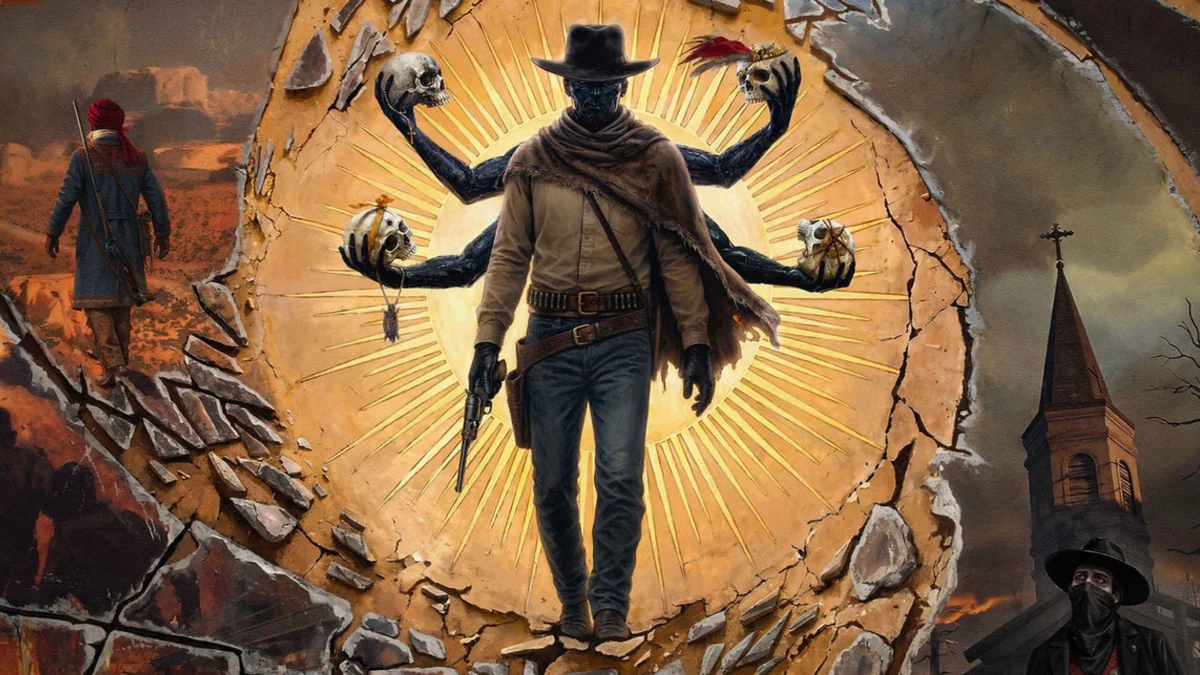
In the competitive landscape of modern game development, few titles arrive with the weight of artistic legacy that Guns of Eschaton carries. Developed by the burgeoning studio Eschatology Entertainment, the project has officially been unveiled as a supernatural, "Soulslike" first-person shooter set within a nightmarish, apocalyptic iteration of the American Wild West.
Beyond the immediate spectacle of its gameplay—which marries the visceral speed of DOOM with the deliberate, punishing difficulty of the Dark Souls series—the game serves as a poignant coda to the career of legendary art director Viktor Antonov. Antonov, the visionary architect behind the iconic cityscapes of Half-Life 2 and the dark, industrial aesthetic of Dishonored, passed away in 2025. Guns of Eschaton stands as his final creative contribution to the medium, a haunting parting gift that promises to redefine the boundaries of the FPS genre.
The Visionary Behind the Lens: Viktor Antonov’s Legacy
To understand the significance of Guns of Eschaton, one must first appreciate the singular influence of Viktor Antonov. Throughout his career, Antonov became known for his ability to build worlds that felt lived-in, oppressed, and historically grounded, even when they were draped in science fiction or fantasy. His work on Half-Life 2’s City 17 and Dishonored’s Dunwall established a gold standard for environmental storytelling, where the architecture itself narrated the history of the world.
Antonov’s involvement in Guns of Eschaton was not merely advisory. According to the studio, he was a foundational architect of the game’s core themes and visual language. His influence is unmistakable in the reveal trailer, which showcases a landscape that is both recognizably "Old West" and terrifyingly distorted. It is a world of gothic decay, where the vast, sun-bleached plains of the American frontier are haunted by impossible machinery and eldritch horrors. For fans of his previous work, this title offers one final opportunity to explore a world filtered through his singular, melancholic perspective.
A Chronicle of Development: From Concept to Reveal
The development of Guns of Eschaton has been a journey of careful, intentional creation. While the industry is accustomed to rapid-fire sequel announcements, Eschatology Entertainment has maintained a relatively low profile until this recent unveiling.
- Pre-2025: The project began in the early 2020s, with Antonov working closely with studio head Fuad Kuliev to define the "haunted frontier" aesthetic. Concepts shifted from traditional Western tropes to the supernatural, Soulslike structure that now defines the game.
- 2025: The death of Viktor Antonov marked a somber milestone for the studio. Following his passing, the team committed to ensuring his vision remained the primary directive for the game’s final design phases.
- Mid-2026: The official unveiling. After months of speculation and internal testing, the game was finally revealed to the public, showcasing a high-fidelity, polished experience that bridges the gap between historical Western weaponry and high-fantasy combat mechanics.
- The Future: As of June 30, 2026, the game is in active development for PlayStation 5, Xbox Series X/S, and PC, with a release date yet to be determined by the developers at 4Divinity and Eschatology Entertainment.
Gameplay Mechanics: The "Soulslike" Frontier
While the "Soulslike" label has become somewhat ubiquitous in the gaming industry, Guns of Eschaton attempts to justify the moniker in a first-person context. The game rejects the traditional "run-and-gun" philosophy, instead favoring a combat system rooted in the "feel, limitations, and brutality of 19th-century firearms."
The Multi-Armed Gunslinger
The protagonist is a man stripped of his identity and home, forced to navigate a landscape of ruin. Visually, he is a striking figure—a six-armed gunslinger. This design choice is not merely cosmetic; it is central to the gameplay. The extra limbs provide the player with distinct advantages in combat, allowing for complex reload animations, the handling of multiple heavy-caliber weapons, and the execution of intricate, rhythm-based parries against enemies that defy logic.
Weaponry and Customization
The game features an arsenal of over 20 unique weapons. Players must manage ammo types, as the supernatural nature of the enemies requires specific ballistic solutions. The combat loop encourages:
- Active and Passive Abilities: Players can build their gunslinger through a deep skill tree, emphasizing either mobility, raw damage, or defensive sustainability.
- Customization: Beyond the guns themselves, the armor and "consumable" systems allow for varied playstyles. Whether a player prefers a glass-cannon approach or a tanky brawler, the game’s systems are designed to accommodate high-stakes tactical decision-making.
- The Bullet System: Exploiting enemy weaknesses is a core mechanic. A boss might be impervious to standard lead, requiring the player to craft specialized ammunition using materials salvaged from the environment.
Official Responses and Creative Direction
The announcement has been met with both excitement and a sense of gravity, given the circumstances of the game’s development. Studio head Fuad Kuliev released a formal statement emphasizing the collaborative nature of the project:
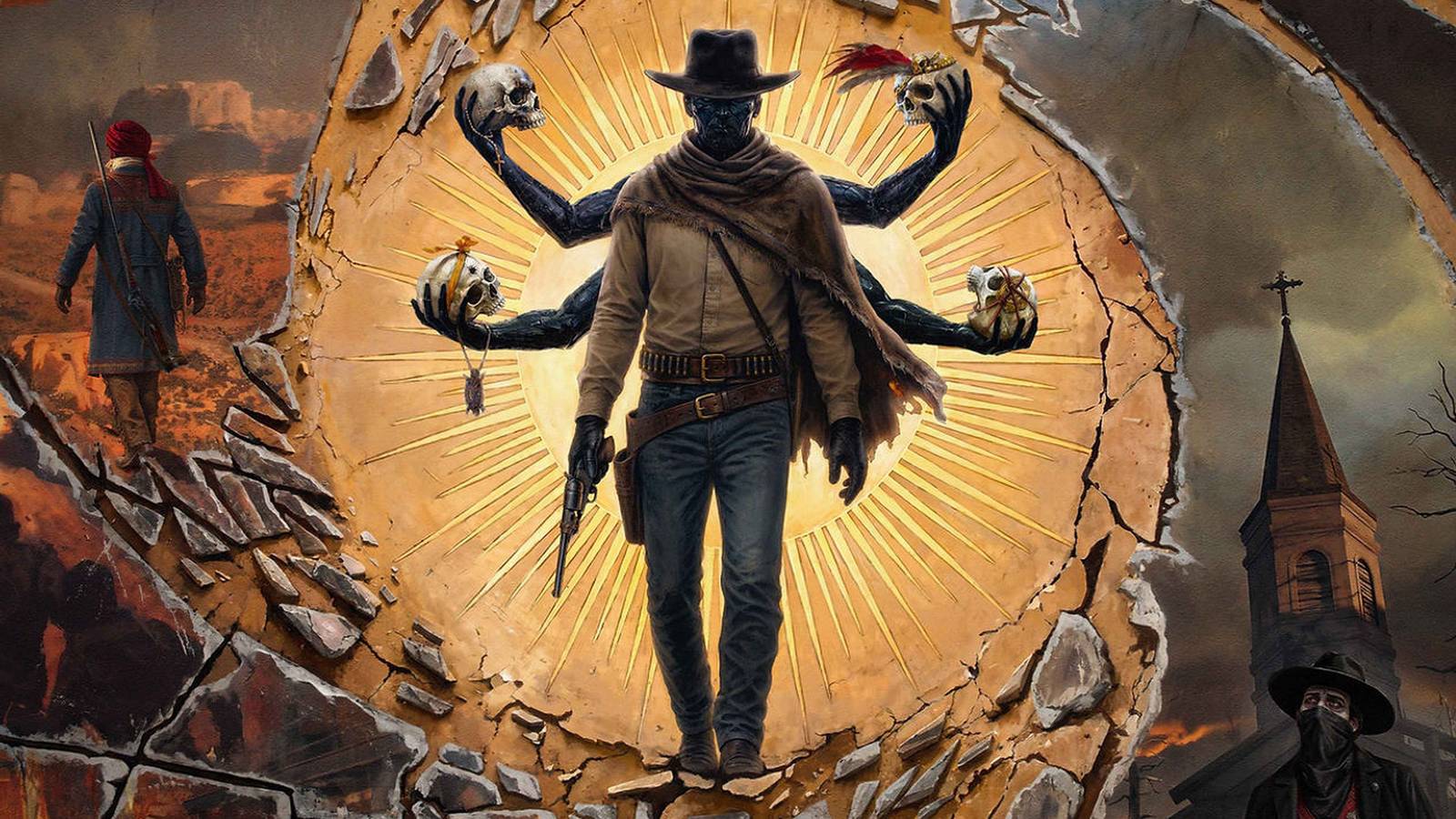
"We are incredibly honoured to be revealing Guns of Eschaton, the final project shaped by the extraordinary vision of Viktor Antonov. From the earliest stages of development, I had the privilege of shaping this world together with Viktor: where ideas, themes, and concepts evolved through his talent into the world players will see today."
Industry analysts note that the collaboration between a veteran like Antonov and a new studio like Eschatology suggests a "passing of the torch" dynamic. By grounding the game in the established prestige of the artist’s previous works—such as his contributions to Fallout 4 and DOOM—the developers are clearly aiming for a product that balances technical innovation with a deep, narrative-heavy artistic foundation.
Implications for the Industry
The success of Guns of Eschaton could have significant implications for the future of the FPS genre. For years, the genre has been split between narrative-driven campaigns and competitive multiplayer arenas. By attempting to marry the methodical, punishing pace of a Soulslike with the perspective and mechanics of a shooter, Eschatology Entertainment is entering a "high-risk, high-reward" space.
The "Train" Factor and Environmental Design
The inclusion of unique, non-human enemies—such as the "evil train" teased in the reveal—signals a departure from the realistic, gritty Westerns that have dominated the market (such as Red Dead Redemption). If this stylistic shift succeeds, it could pave the way for more "genre-mashup" games that prioritize surrealism over historical accuracy.
The Preservation of Artistic Vision
The industry is currently grappling with how to honor creators who pass away mid-project. Guns of Eschaton serves as a case study in how a studio can maintain the integrity of a late visionary’s work. By keeping Antonov’s concepts at the forefront of their marketing and design, the developers are setting a template for how legacy projects can be finalized with dignity and artistic consistency.
Looking Ahead: A World of Damnation
As it stands, Guns of Eschaton is one of the most anticipated titles on the horizon. The synopsis provided by the developers paints a bleak picture: "This is not only the end of America. It is the beginning of something far worse."
The promise of solo and co-op play suggests that the experience will be scalable, offering a lonely, oppressive journey for the solitary player and a tactical, cooperative challenge for those who wish to traverse the "haunted frontier" with allies. While the lack of a release date may frustrate some, the focus on polish and the honoring of Antonov’s final vision suggest that the wait will be measured in quality rather than speed.
For the gaming world, Guns of Eschaton represents more than just a new product—it is the final chapter of a master artist’s portfolio, a surreal, six-armed journey into a Western hellscape that promises to leave a lasting mark on the history of the medium. Whether or not it can successfully balance the intensity of a shooter with the mechanical depth of a Soulslike remains to be seen, but one thing is certain: the vision is, in every sense, legendary.
 Basiran
 Nana Muazin
 Layla Zulfa
