

In the landscape of modern wellness trends, "fibermaxxing"—the intentional, aggressive pursuit of high-fiber intake—has emerged as a viral sensation. While the nutritional benefits of fiber are scientifically indisputable, the rapid adoption of this trend has created a secondary phenomenon: a surge in uncomfortable, and often painful, gastrointestinal distress.
For many, the transition from a low-fiber, processed-food diet to one rich in whole grains, legumes, and cruciferous vegetables feels less like a wellness journey and more like a digestive assault. However, experts warn that these symptoms—bloating, cramping, and excessive gas—are not signs to abandon the goal, but rather signals that the body requires a more calibrated approach. The solution, according to nutritionists and gastroenterologists, is "fiber training."
The Science of Fiber: Why Your Gut Struggles with the "Good Stuff"
Fiber is a unique nutrient because it is the one carbohydrate the human body cannot digest. Unlike proteins or fats, which are broken down in the small intestine, dietary fiber travels largely intact into the colon. There, it serves as the primary fuel source for the gut microbiome.
"Fiber is difficult for your digestive system to break down and has to be handed off to bacteria in the colon, which is the entire point," explains Desiree Nielsen, RD, a recipe developer and plant-based nutrition expert. When fiber arrives in the colon, the bacteria ferment it, producing short-chain fatty acids that support immune health and metabolic function.
However, when an individual who is accustomed to a low-fiber intake suddenly consumes large quantities of it, the colonic bacteria are overwhelmed. This sudden metabolic activity results in the rapid production of gases, leading to the "barrage" of symptoms many fiber-seekers report.
The Case for Fiber: Beyond Regularity
While the short-term side effects can be discouraging, the long-term clinical benefits of fiber are profound. Nutrition experts consistently rank fiber deficiency as one of the most significant public health oversights in modern nutrition.
Beyond its well-known role in preventing constipation and promoting satiety, fiber acts as a critical regulator for several systemic functions:
- Cholesterol Management: Soluble fiber binds to cholesterol particles in the digestive system and removes them from the body, helping to lower LDL (the "bad" cholesterol) levels.
- Glycemic Control: By slowing the absorption of sugar, fiber prevents rapid insulin spikes, which is crucial for long-term metabolic health and diabetes prevention.
- Disease Prevention: High fiber intake is statistically linked to a lower risk of heart disease, stroke, and certain types of colorectal cancer.
Given these benefits, the goal is not to avoid fiber, but to optimize the body’s ability to process it through a methodology known as "fiber training."
What is Fiber Training? A Physiological Progression
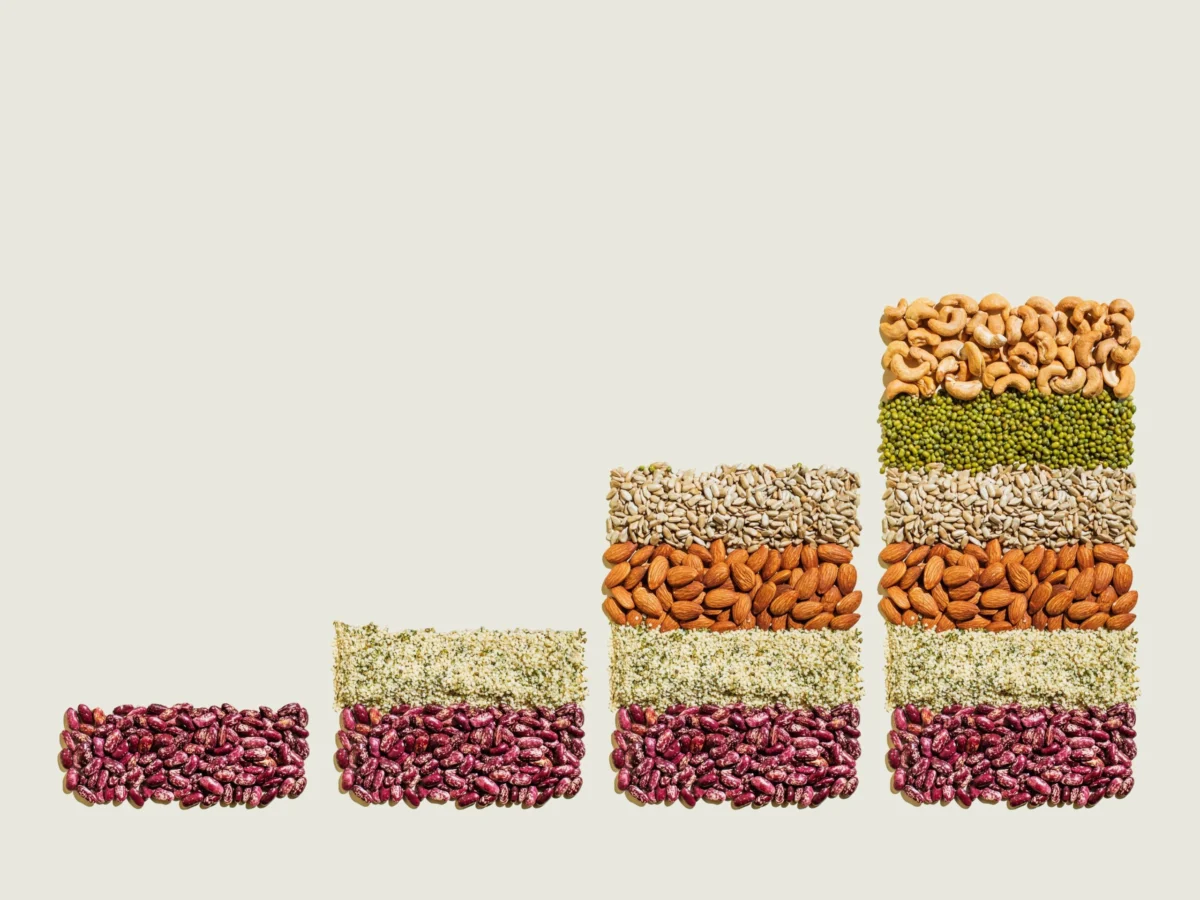
Fiber training is a systematic, progressive approach to increasing fiber intake. It treats the digestive system much like a muscle group in the gym.
"In much the same way that you wouldn’t go out and run a marathon tomorrow if you haven’t run a mile before, you need to work your way up to a high-fiber diet," says Nielsen.
Dr. Lisa Ganjhu, a gastroenterologist at NYU Langone Health, emphasizes that this is a matter of physical adaptation. "You start off with 10 pounds; when that becomes easy, you move to 20, then 30," she explains. This "colonic fitness" is essential for those who are currently suffering from chronic constipation.
A common mistake is assuming that adding massive amounts of fiber will immediately "fix" a backed-up system. In reality, adding too much fiber to a sluggish gut can create a "bottleneck on the highway." If the system is not prepared to process the influx, the blockage can intensify, leading to further pain and discomfort.
Implementing the Training Regimen: A Step-by-Step Approach
To begin fiber training, one must first establish a baseline. According to the Dietary Guidelines for Americans (2020-2025), the recommended daily intake varies by age and sex:
- Ages 19–30: 28 grams per day
- Ages 31–50: 25 grams per day
- Ages 51 and older: 22 grams per day
Most practitioners advise an incremental increase of three to five grams of fiber at a time. This should be sustained until the body shows no signs of digestive distress—typically a period of five to seven days.
Practical Examples of Incremental Increases
To hit a 5-gram increase, individuals can incorporate the following:
- One medium apple (approx. 4g)
- A half-cup of chickpeas (approx. 5g)
- One tablespoon of chia seeds (approx. 5g)
- Two tablespoons of ground flax (approx. 4g)
Once a specific level of intake becomes "comfortable"—meaning the absence of bloating or gas—an individual can move to the next increment. By repeating this cycle, a person can reach the recommended daily allowance without the dramatic symptoms associated with sudden dietary shifts.
Supporting Strategies: FODMAPs and Hydration
Not all fiber is created equal, particularly for those with sensitive digestive tracts. For individuals prone to bloating, the strategy should incorporate low-FODMAP foods. FODMAPs (fermentable oligosaccharides, disaccharides, monosaccharides, and polyols) are specific types of carbohydrates that are notoriously difficult for sensitive stomachs to ferment.
"If you are constipated, you want to be strategic," says Nielsen. "Kiwis are an excellent choice because they contain roughly four grams of fiber per two-fruit serving and have been clinically studied as an effective, gentle treatment for constipation."
Additionally, those increasing their fiber intake must increase their water consumption. Fiber acts like a sponge in the digestive tract; without adequate fluid, it can become dehydrated and firm, worsening constipation rather than alleviating it. While the "eight glasses a day" rule is often debated in scientific circles, the necessity of fluid to support fiber-induced motility is a medical consensus.
Implications for Public Health
The emergence of "fibermaxxing" as a cultural trend highlights a broader disconnect between nutritional knowledge and digestive reality. While social media platforms often encourage "all-or-nothing" approaches to health, the reality of biology is far more nuanced.
Medical experts, including Dr. Ganjhu, stress that the "awkward stage" of dietary adjustment is a temporary hurdle that can be managed through patience and scientific application. By moving away from the "fibermaxxing" mindset—which implies an immediate, total overhaul—and toward a "fiber training" mindset, individuals can achieve the long-term health benefits of a fiber-rich diet without the associated gastrointestinal trauma.
Final Takeaways
- Consistency over intensity: The goal is to reach your fiber targets over weeks, not days.
- Listen to your body: Symptoms are not just annoyances; they are markers of your current digestive capacity. If you feel pain, slow down the rate of increase.
- Hydration is non-negotiable: Fiber and water work in tandem. Ensure you are increasing both to keep stool soft and mobile.
- Prioritize quality: Focus on whole foods like legumes, seeds, and fruits. If your system remains resistant, consider a gentle psyllium-based supplement, which is often easier for the body to tolerate during the early stages of training.
Ultimately, the path to a healthier gut microbiome is not a sprint. By treating your digestion with the same respect and patience you would offer a physical training regimen, you can build the "colonic fitness" required to reap the substantial, life-extending benefits that fiber provides.
 Asro
Asro
 Suro Senen
