

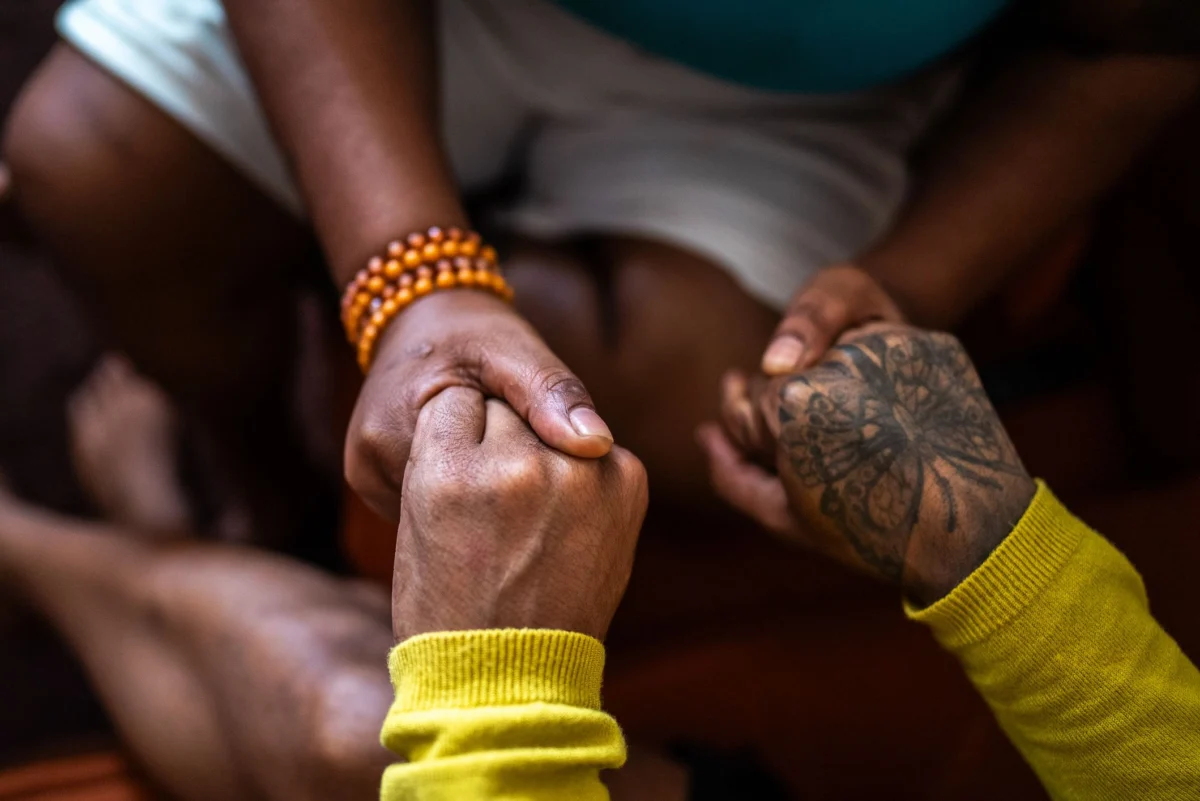
For decades, the narrative surrounding Black women’s breast health has been anchored in grim statistics. The numbers paint a portrait of disparity: Black women are diagnosed at a younger median age (60 compared to 62 for white women), face a 38% higher mortality rate, and are disproportionately affected by aggressive, hard-to-treat variants like triple-negative breast cancer (TNBC).
Yet, these metrics, while vital for public health research, fail to encapsulate the lived experience of the disease. They do not capture the 3 a.m. phone calls, the rituals of head-shaving parties, or the profound paradigm shifts that occur when a woman looks at her children and decides that survival is an act of defiance. By moving past the clinical data, we find a complex reality of resilience, advocacy, and a hard-won blueprint for survival that is being passed down to the next generation.

The Stark Reality: Understanding the Clinical Landscape
The medical community acknowledges that Black women face unique hurdles in breast cancer outcomes. According to data from the National Breast Cancer Foundation, one in five Black women diagnosed with breast cancer is battling TNBC. This form of the disease is notoriously aggressive, lacks the common receptors that respond to traditional hormonal therapies, and requires highly specialized, often grueling, treatment protocols.
When we examine the chronology of these journeys, a recurring theme emerges: the struggle for timely diagnosis. Many of the women profiled in this report—from Monique Bass to Marylande Regis—encountered a medical system that often dismissed their early concerns. Whether it was the "too young to worry" narrative or the misidentification of a tumor as a clogged milk duct, these women were forced to become their own primary advocates, pushing against institutional inertia to secure the biopsies that ultimately saved their lives.

Voices of Resilience: A Chronological Journey
The Fight for Early Detection
For many women, the journey begins not with a screening, but with an intuitive realization that something is wrong. Monique Bass, 53, discovered a lump during a self-exam at 47. Despite three benign biopsy results over three years, her persistence forced further investigation, revealing stage 1 invasive ductal carcinoma. Similarly, Marylande Regis, 38, faced medical skepticism after stopping breastfeeding, only to find that her "clogged duct" was actually aggressive stage 2B BRCA1-positive cancer. Their stories underscore a critical medical implication: the necessity of patient self-advocacy when clinical standards fall short.
Navigating the Treatment Gauntlet
The treatment phase—chemotherapy, radiation, and surgery—represents the crucible of the patient experience. For Annita White, 51, the loss of her hair and breasts stripped away her sense of self, leaving her feeling vulnerable. Yet, this phase also serves as a turning point. Jessica Ncube, 41, a clinical social worker, learned that true strength was not about "holding it all in," but rather embracing softness and accepting support. This shift in perspective is a common thread; as these women navigate the trauma of treatment, they often emerge with a redefined purpose.
.jpg)
The Power of Community and Advocacy
The aftermath of treatment is where many of these women transform their pain into public service. Ricki Fairley, 69, diagnosed with metastatic TNBC, fundamentally restructured her life, quitting her job and divorcing to prioritize her peace. Her subsequent work with The Black Breast Cancer Alliance has been instrumental in systemic advocacy. Other women, such as Ameiko Newman, have channeled their creativity into designing support wear, while Annette Colden has stepped into the role of a mentor, offering the 3 a.m. support she once needed herself.
Supporting Data: Why the Disparity Persists
The disparity in survival rates is not a biological inevitability but a convergence of socioeconomic and systemic factors. Public health experts point to several key drivers:

- Late-Stage Presentation: Delays in follow-up after an abnormal mammogram are significantly more common in the Black community, often due to lack of access to specialized care or medical mistrust.
- Access to Clinical Trials: Black women are underrepresented in clinical trials for new cancer therapies, which limits the development of treatments tailored to their genetic profiles.
- Social Determinants of Health: Factors such as housing stability, employment, and the ability to take time off for treatment contribute heavily to the likelihood of completing complex care plans.
Official Perspectives and Medical Implications
Medical organizations, including the American Cancer Society and various oncology networks, are increasingly focusing on "culturally competent care." The implication for the medical field is clear: the "one-size-fits-all" approach to screening and treatment is failing Black women.
Dr. Nita (Annita White) and other survivors argue that medical professionals must move beyond the standard protocols to address the "whole woman." This includes integrating mental health support, as evidenced by Patricia Fox’s experience with therapy. Fox notes that in the Black community, therapy is often treated as a taboo, yet for her, it was the essential fortification needed to survive. "You don’t have to suffer in silence," she asserts.

Moving Toward a New Blueprint for Survival
The stories of these 13 women provide a blueprint for a new standard of care—one that prioritizes the patient’s intuition, the necessity of emotional and spiritual support, and the urgent need for systemic change.
Key Takeaways for the Future:
- The Power of Advocacy: Never accept "you are too young" or "it’s nothing" when your body is signaling distress. Push for the second opinion and the imaging you deserve.
- Redefining Strength: Strength is not just physical endurance; it is the mental courage to ask for help, to seek therapy, and to build a community that can hold you when you are at your lowest.
- Collective Action: As demonstrated by the foundations established by Bass, Fairley, and White, individual survival is the first step toward collective advocacy. By sharing their experiences, these women are closing the gap that statistics alone cannot bridge.
Conclusion: Beyond the Numbers
The history of Black women’s health is often written in the language of loss. However, these narratives prove that the story is changing. Through the integration of faith, community, and radical self-advocacy, these women are reclaiming their narratives. They are not merely surviving; they are redefining what it means to live after a cancer diagnosis.

As we look toward the future, the goal must be to ensure that the "blueprint" provided by these survivors becomes the standard of care for every woman. By listening to the voices that the statistics seek to suppress, the medical community can move toward a future where the diagnosis of breast cancer is no longer a sentence of disparity, but a journey supported by equity, compassion, and systemic understanding.
The data will always be there to guide the science, but the stories of these women provide the soul of the movement. They are, and have always been, far more than a data point. They are the architects of a healthier future.
 Suro Senen
