

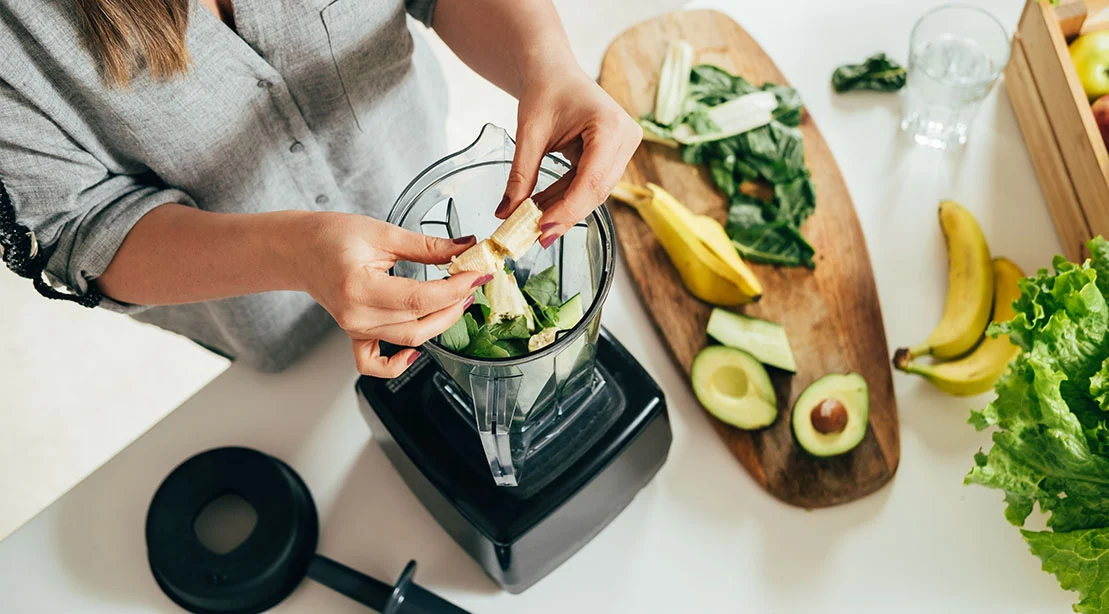
As the summer heat intensifies and the training intensity in the gym ramps up, the humble blender has become a central fixture in the kitchen for athletes and fitness enthusiasts alike. When executed with precision, a smoothie is far more than a convenient snack; it is a metabolic powerhouse capable of accelerating muscle recovery, jump-starting cognitive function, and providing a dense infusion of essential nutrients.
However, the line between a "nutritional hero" and a "liquid calorie bomb" is remarkably thin. Many gym-goers inadvertently sabotage their fitness goals by turning a healthy concept into a sugary, additive-heavy indulgence. To truly leverage the power of the blender, one must move past the "throw-it-all-in" approach and embrace a methodical, evidence-based strategy for building the perfect shake.
The Caloric Calculus: Understanding Energy Density
The most common mistake in smoothie preparation is a lack of awareness regarding energy density. It is easy to lose track of caloric intake when blending multiple "healthy" ingredients. A typical mix containing two scoops of protein powder, a heavy hand of peanut butter, full-fat Greek yogurt, and a banana can easily exceed 800 to 1,000 calories.
While athletes training at high volumes require substantial caloric intake, it is critical to recognize that liquid calories are processed differently by the body. Research consistently demonstrates that liquid meals are significantly less satiating than solid food. Consuming 500 calories in liquid form does not trigger the same satiety hormones as consuming 500 calories of whole food, which can lead to overeating later in the day.
The Golden Rule: For most individuals, a standard smoothie should hover between 300 and 400 calories. If you are using the drink as a complete meal replacement or a post-workout recovery tool after an exhaustive session, you have more latitude, but mindful portion control remains the key to maintaining a lean body composition.
The Banana Paradox: A Surprising Nutritional Conflict
For years, the banana has been the undisputed king of the smoothie world, prized for its ability to provide a silky, creamy texture and natural sweetness. However, recent scientific findings from the University of California, Davis, suggest a compelling reason to reconsider this staple.
The issue lies in a naturally occurring enzyme known as polyphenol oxidase (PPO). Found in high concentrations in bananas, PPO is responsible for the browning process in fruit. When you combine bananas with flavanol-rich foods—such as blueberries, blackberries, grapes, or high-quality cocoa powder—the PPO enzyme can significantly degrade the flavanols, effectively neutralizing their heart-healthy benefits.
Flavanols are potent antioxidants linked to improved blood flow, arterial health, and metabolic function. By stripping your smoothie of these compounds, you may be missing out on the primary health advantages of your chosen superfoods. If your goal is to maximize the antioxidant profile of your shake, consider swapping bananas for lower-PPO alternatives like mango, pineapple, or oranges, or keep the banana separate from your berry-based blends.
Macro-Architecture: Balancing Protein, Fats, and Carbs
A high-performance smoothie must be balanced. Skewing too heavily toward carbohydrates or protein can lead to blood sugar spikes or insufficient recovery support. To optimize your blend, utilize the "Macro-Triangle" approach:
- Protein: The cornerstone of muscle repair. Opt for high-quality whey, casein, or clean plant-based isolates. Cottage cheese and ultra-filtered milk are also excellent, slow-digesting protein sources.
- Complex Carbohydrates: Avoid relying solely on fruit. Integrate oats for sustained energy, or frozen vegetables to add volume without excessive glycemic impact.
- Healthy Fats: Essential for hormonal health and nutrient absorption (specifically fat-soluble vitamins). Flax seeds, chia seeds, hemp hearts, avocado, or raw nut butters provide the necessary lipid profile to keep you satisfied until your next meal.
The Hidden Danger of Emulsifiers
Beyond the macronutrients, the quality of your protein powder matters significantly. A glance at the back of most protein tubs reveals a list of additives—most notably emulsifiers like guar gum, xanthan gum, or soy lecithin. These ingredients are included to improve shelf-life and create a uniform texture.
However, emerging research into the human microbiome suggests that high exposure to these synthetic emulsifiers may disrupt the protective mucus layer of the gut. Chronic disruption of this barrier has been associated with an increased risk of inflammatory conditions, metabolic syndrome, and even cardiovascular issues.
While the occasional scoop of protein powder is unlikely to cause systemic harm, those who rely on protein bars, shakes, and processed "health foods" throughout the day are likely entering the "emulsifier red zone." Seek out clean, minimalist brands—such as Naked Nutrition, Equip, or Momentous—that prioritize pure ingredients over texture-enhancing additives.
Electrolytes and Recovery: The Salt Factor
There is a pervasive fear of sodium in the fitness community, often rooted in outdated nutritional advice. For the athlete, however, salt is an essential recovery tool. When you train, you lose vital electrolytes through sweat. Simply drinking plain water post-workout can lead to an electrolyte imbalance, hindering effective rehydration.
Adding a small pinch (approximately 1/8 teaspoon) of high-quality sea salt to your recovery smoothie can significantly improve your body’s ability to retain and utilize water. This simple addition facilitates faster rehydration and supports muscle contraction. If your smoothie already contains naturally salty ingredients like cottage cheese, you can skip this step, but for fruit-and-protein-based blends, that dash of salt is a performance enhancer.
The "Invisible" Nutrition: Incorporating Vegetables
Perhaps the most underutilized strategy in smoothie-making is the inclusion of vegetables. A well-constructed smoothie is an ideal vessel for nutrients that many men find difficult to incorporate into their daily diet.
The range of viable options is vast:
- Spinach: Mild in flavor and high in iron. Research published in Food Chemistry indicates that pureeing raw spinach actually helps release more antioxidants from the leaves, making them more bioavailable.
- Cauliflower: When frozen, it adds a creamy, frozen-yogurt-like consistency without the sugar.
- Carrots and Beets: These add sweetness and a wealth of nitrates, which have been shown to improve endurance by increasing blood flow to working muscles.
By masking these vegetables with flavorful additions like cinnamon, ginger, or cocoa powder, you can easily double your daily vegetable intake without sacrificing the dessert-like quality of your shake.
The Sugar Trap: Avoiding the "Liquid Candy" Effect
The modern smoothie landscape is often indistinguishable from a milkshake. Between dates, honey, agave, sweetened almond milk, and high-fructose fruit juices, it is easy to ingest 50 grams of sugar in a single glass.
Sugar spikes lead to rapid insulin responses, which, while beneficial immediately post-workout, are counterproductive for the rest of the day. As a rule of thumb, limit your smoothie to no more than two sources of sugar—including the fruit. If you are using fruit, you do not need added honey or dates. Furthermore, always ensure your dairy-free milks are labeled "unsweetened." The goal is to provide fuel, not a blood sugar rollercoaster.
Elevating the Experience: Spices as Functional Medicine
To turn a "meh" drink into a culinary highlight, look no further than your spice rack. Beyond flavor, spices offer profound health benefits:
- Cinnamon: Helps regulate blood sugar levels.
- Ginger: Acts as a powerful anti-inflammatory, perfect for post-training soreness.
- Cayenne: Can boost metabolic rate and support circulation.
- Cloves: Packed with manganese and antioxidants.
These spices add zero calories and massive flavor, transforming a utilitarian shake into a functional, enjoyable ritual.
Conclusion: Crafting Your Signature Blend
Building a better smoothie is about moving from convenience to craftsmanship. By controlling your caloric density, avoiding inflammatory emulsifiers, maximizing antioxidant absorption through thoughtful fruit pairing, and sneaking in a serving or two of vegetables, you transform your blender into a cornerstone of your health strategy.
Whether you are looking to pack on lean muscle, shed unwanted body fat, or simply ensure you hit your micronutrient goals in a busy work week, the smoothie remains the ultimate tool. Treat your blender with the same respect you treat your barbell—with focus, intention, and a commitment to quality.
The "Blueberry Cheesecake" Performance Smoothie
A balanced, high-protein recipe that adheres to the principles of clean, effective nutrition.
- 1 scoop high-quality, additive-free vanilla whey or pea protein isolate.
- 1/2 cup frozen wild blueberries (high in antioxidants).
- 1/4 cup full-fat Greek yogurt (for creaminess and probiotics).
- 1/2 cup frozen riced cauliflower (adds texture and fiber).
- 1 tbsp chia seeds (for healthy Omega-3 fats).
- 1/2 tsp cinnamon (for blood sugar support).
- 1 cup unsweetened almond or macadamia milk.
- 1/8 tsp sea salt.
Instructions: Add the liquid base first, followed by the greens/veggies, protein powder, and frozen fruit. Blend on high for 45–60 seconds until completely emulsified. Enjoy immediately for maximum nutrient bioavailability.
 Lina Irawan
 Jia Lissa
 Reynand Wu
