

For as long as humanity has recorded history, the quest for a "fountain of youth" has captivated the imagination, driving explorers and scientists alike toward the elusive promise of eternal vitality. While we have yet to discover a magical spring, modern science is increasingly looking inward—specifically, to the complex, protein-rich river of life coursing through our veins: our blood plasma.
A recent study published in Aging Cell has sent ripples through the longevity community, suggesting that a procedure known as therapeutic plasma exchange (TPE) may be capable of dialing back one’s biological age by an average of two and a half years. However, as the headlines buzz with the prospect of "clock-reversing" blood treatments, medical experts are urging a measured approach. Is plasma exchange the next great medical breakthrough, or is it a high-stakes, temporary fix for a biological reality that is far more complex than a simple filter can address?
The Main Facts: What is Therapeutic Plasma Exchange?
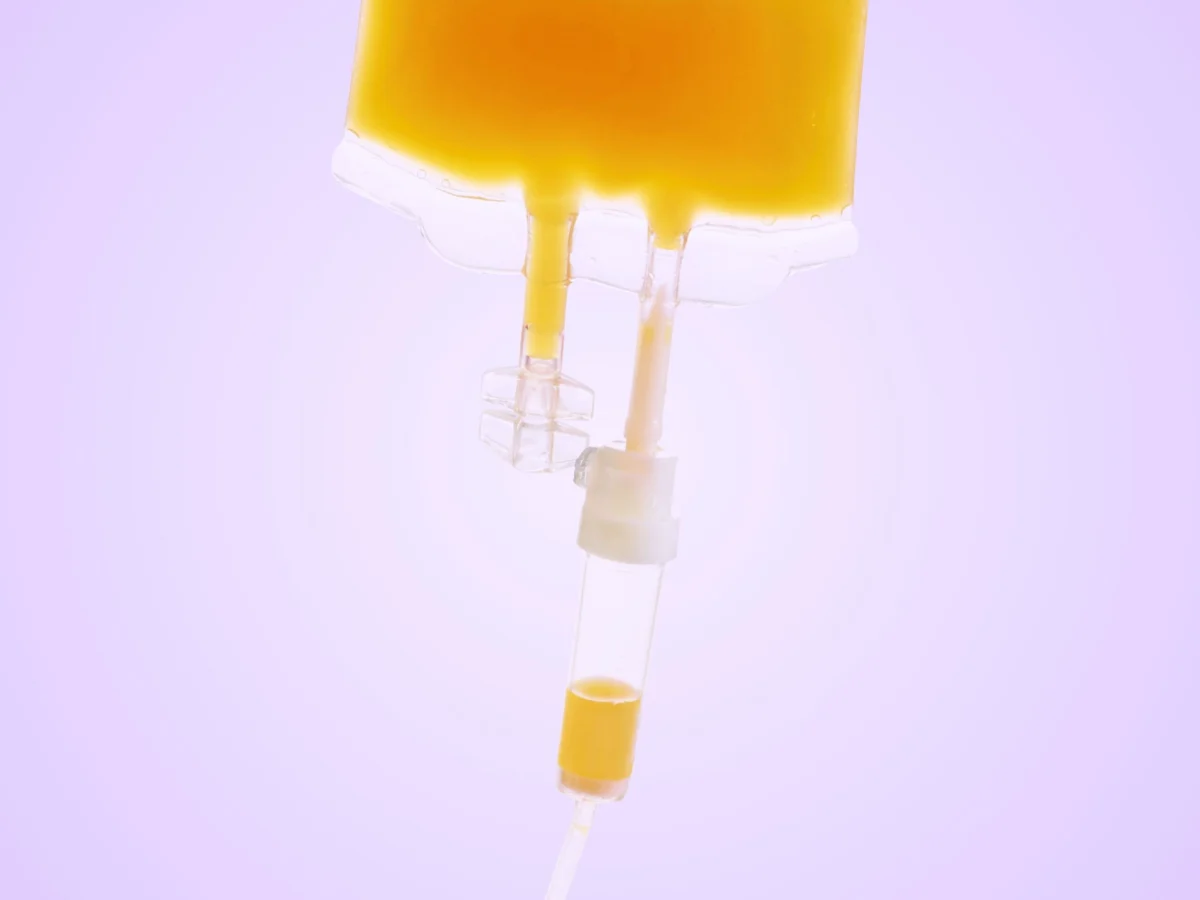
At its core, therapeutic plasma exchange is a medical procedure originally designed to treat severe autoimmune conditions, neurological disorders, and certain blood cancers. The process involves removing a patient’s plasma—the liquid component of blood that carries water, proteins, metabolites, hormones, and inflammatory signals—and replacing it with a combination of purified albumin and saline.
The hypothesis driving longevity research is that by removing the "toxic" buildup of inflammatory markers and systemic debris that accumulates in the plasma as we age, we can essentially reset the body’s internal signaling environment. If the plasma is the "DHL delivery system" of the human body, transporting instructions from the brain to the muscles and the kidneys to the lungs, then perhaps cleaning that delivery system can help the body function with the efficiency of a younger version of itself.
A Chronological Journey: From Parabiosis to Modern Trials
The scientific fascination with plasma as an anti-aging elixir did not emerge overnight. It is the culmination of over a decade of rigorous—and occasionally controversial—experimental research.
The Era of Parabiosis
Roughly 15 years ago, researchers began investigating the connection between circulating blood factors and the aging process through a surgical technique called parabiosis. In these experiments, the circulatory systems of two mice—one young, one old—were surgically linked. The results were startling: the older mice, when exposed to the circulatory environment of their younger counterparts, exhibited significantly improved tissue resilience, organ function, and recovery from stress.
The Shift to Clinical Intervention
These murine studies provided the initial "proof of concept" that something in the blood was driving, or at least modulating, the aging process. This prompted researchers to ask: If we can’t stitch people together like lab mice, can we use modern medical filtration to achieve similar results? This led to the application of TPE in humans, moving away from the controversial surgical models toward a more clinical, non-invasive (though physically demanding) filtration process.
Supporting Data: The 2025 Aging Cell Study
The recent study in Aging Cell enrolled 42 participants, subjecting them to a regimen of plasma exchange supplemented with purified albumin and, in some cases, intravenous immunoglobulin (IVIG) therapy. The researchers utilized advanced molecular tracking—measuring the "clocks" within our cells—to determine if the procedure had a measurable impact on the participants’ biological age.
On the surface, the data was compelling: several participants showed a reduction of approximately 2.5 years in biological age. However, the nuance lies in the timeline. Dr. Andrea Maier, a geriatrician and board member of the Academy for Health and Lifespan Research, points out a critical discrepancy in how these results are interpreted.
"If you dig a little deeper, the ‘2.5 years younger’ measurement is comparing the subjects’ status at the midterm of the study against their initial baseline," Dr. Maier explains. "By the end of the study, that effect had almost entirely evaporated."
This suggests that the body is not merely a passive vessel for blood. When you strip out a significant portion of a patient’s plasma and replace it with saline and albumin, the body undergoes a massive, systemic stress response. While there may be an initial "rejuvenation" effect as the inflammatory load is removed, the body quickly works to re-establish its original internal state. The biomarkers, once shifted, swing back toward their previous, more aged configuration as the body adapts to the intervention.
Official Perspectives: The Expert Consensus
The longevity community remains divided between the potential of blood-based interventions and the reality of the current clinical data. Dr. Keenan Walker, a senior investigator at the National Institute on Aging, notes that while the concept of "biological age" is a useful tool for tracking risk, it is not a fixed, singular metric.
"There is no one ‘biological age,’ but people try to estimate it using various molecular markers," Dr. Walker says. "What studies consistently show is that individuals whose biological age is significantly older than their chronological age are at higher risk for chronic disease and mortality. But we have to be careful not to conflate lowering a biomarker with actually extending a healthy lifespan."
A Personalized Approach vs. A Global "Reset"
Both Dr. Maier and Dr. Walker emphasize that if plasma-based therapies are to have a future, they cannot be the "one-size-fits-all" filtering process currently being marketed by some private clinics.
"Those who were less healthy saw a stronger intervention effect," Dr. Walker observes. "This suggests that the procedure might be acting as a ‘crutch’ for those with significant systemic inflammation, rather than a fountain of youth for the generally healthy."
Dr. Maier is even more cautious regarding the current "plasma clinic" trend. "I would call this a Phase 1 study," she notes. "We have learned that we can perform this procedure safely, but we have yet to prove it works in the long term, and we certainly have not proven it is beneficial for the general public."
Implications: The Future of Longevity Medicine
The implications of this research are twofold. First, it validates that our blood plasma is a treasure trove of biological data—a snapshot of our current health state. Second, it serves as a stark reminder that the body is a complex, self-regulating system that resists drastic external changes.
The Dangers of "Biohacking"
The most immediate implication is the danger of premature implementation. For individuals currently seeking out "plasma clinics" in the hopes of slowing their aging, the experts offer a stern warning: the procedure is physically taxing, expensive, and, based on current evidence, the benefits are transient. Treating your body as a machine to be "filtered" ignores the underlying causes of the aging process, which are often rooted in lifestyle, genetics, and cellular health.
The Path Forward
The future of longevity, according to those leading the field, lies in precision medicine. Rather than performing a broad, non-specific filtration of all plasma proteins, the next generation of therapies will likely target specific inflammatory markers or protein imbalances.
"It’s not a crazy idea," Dr. Maier concludes. "It’s grounded in a great deal of evidence, but it’s not for everybody. It needs to be more precise. This study is the first tiny step, but we should absolutely not be implementing this in general clinical practice yet. It is too rough on the body. I love innovation, but I believe the future of this field will look very different from the current, brute-force approach."
As we look toward the horizon of medical science, the lesson of the plasma exchange study is clear: there is no shortcut to longevity. While the prospect of a biological "reset" is intoxicating, true health span extension will likely be achieved not by replacing our blood, but by better understanding the intricate, delicate signaling systems that allow our bodies to repair and regenerate themselves naturally. For now, the fountain of youth remains a goal for the laboratory—not the local clinic.
 Asro
Asro
 Dwi Wanna
