


The podcasting landscape continues to undergo a rapid, multifaceted evolution. As the medium matures from its humble origins into a dominant pillar of modern digital media, it is increasingly defined by cross-media partnerships, high-stakes sports coverage, and a deepening focus on niche, expert-led content. This report synthesizes the latest industry movements, analyzing how major shows are positioning themselves for global audiences and how data-driven insights are reshaping the charts.
Main Facts: The Current Podcast Ecosystem
The contemporary podcasting industry is currently witnessing a trend toward professionalization and strategic expansion. Key developments in the sector include:

- The Globalization of Niche Content: Shows that were once regional favorites are now leveraging international events—such as the World Cup—to expand their footprints across borders.
- Expert-Driven Programming: There is a marked shift toward content that provides "stigma-free" guidance and expert analysis, particularly in fields like maternal mental health and historical political analysis.
- Cross-Media Synergy: The lines between broadcasting, digital activism, and podcasting are blurring. Broadcasters are moving away from traditional silos to embrace multi-platform strategies, combining red-carpet access with long-form audio storytelling.
- Data Dominance: Platforms like Apple Podcasts and Spotify remain the gatekeepers of industry success, with consistent chart-toppers like The Daily and The Joe Rogan Experience maintaining their grip on the public consciousness.
Chronology: A Trajectory of Growth
To understand where podcasting is heading, one must look at its recent trajectory:
2006 – The Foundation of Depth: Long-standing programs like My History Can Beat Up Your Politics established the blueprint for utilizing audio as a tool for intellectual enrichment. By consistently applying historical lenses to modern political debates, the show proved that there was a massive, untapped audience for "thoughtful and nuanced" long-form content.

The Rise of the Sports Media Powerhouse: The sports podcasting sector has seen an aggressive expansion. Programs like Stick to Football, featuring high-profile talent such as Gary Neville and Roy Keane, represent a shift toward high-production value, celebrity-driven sports analysis that moves beyond the local stadium to a global stage.
2023–2024 – The Pivot to Community and Wellness: Recent months have seen an influx of shows aimed at specific demographics, such as So Glad You Asked, which partners with clinical experts to provide actionable, evidence-based advice for parents. This represents a move toward "utility-based" podcasting—content that serves a functional purpose in the listener’s life beyond mere entertainment.

Supporting Data: Decoding the Charts
The metrics behind the industry reveal a complex picture of listener preferences. According to recent performance data, the charts are being driven by a mixture of legacy heavyweights and agile new entrants.
Top Performers and Market Leaders
- The Daily: Continues to dominate the Apple Podcasts rankings in the United States, cementing its role as the industry standard for daily news consumption.
- The Joe Rogan Experience: Retains its position as the primary force on Spotify in the United States, demonstrating the continued power of long-form, conversational, and often controversial interview formats.
- The Diary of a CEO: Steven Bartlett’s show has solidified its dominance in the Canadian business category, signaling that high-production, high-profile interviews remain a lucrative segment of the market.
Emergent Trends in Ranking
- Niche Success: The emergence of shows like The Rest Is World Cup as the highest new entry in Canadian "Courses" charts suggests that listeners are increasingly using podcasts as a vehicle for structured learning and deep-dive analysis.
- Unexpected Climbers: The Al & Juddy Show has seen significant gains in the Natural Sciences category in Ireland, proving that even niche scientific topics can achieve viral growth when supported by strong community engagement.
Official Responses and Strategic Shifts
The industry is responding to these shifts through strategic investment. "The Overlap," the production house behind Stick to Football, has made a concerted effort to broadcast from New York during the World Cup, signaling that they are not merely targeting a local UK audience but are chasing the global sports-media dollar.

Similarly, the collaboration between British broadcaster Clara Amfo and activist Munroe Bergdorf for their show Clara & Munroe Are Into It reflects a shift toward personality-led media. These hosts are leveraging their existing brand equity and "red carpet access" to bridge the gap between celebrity culture and critical analysis. By inviting the audience into their "encyclopaedic knowledge of pop culture," they are cultivating a loyal, participatory listener base that feels involved in the conversation.
Implications: The Future of Audio
What does this mean for the future of the medium? Several clear implications emerge from the current data:

1. The Death of the "One-Size-Fits-All" Model
The success of programs like So Glad You Asked—which offers expert-led, stigma-free guidance—indicates that listeners are moving away from general-interest shows and toward highly specialized, problem-solving content. Creators who can identify a specific pain point or interest group and provide authoritative content will likely find more success than those attempting broad-spectrum appeal.
2. The Physical-Digital Convergence
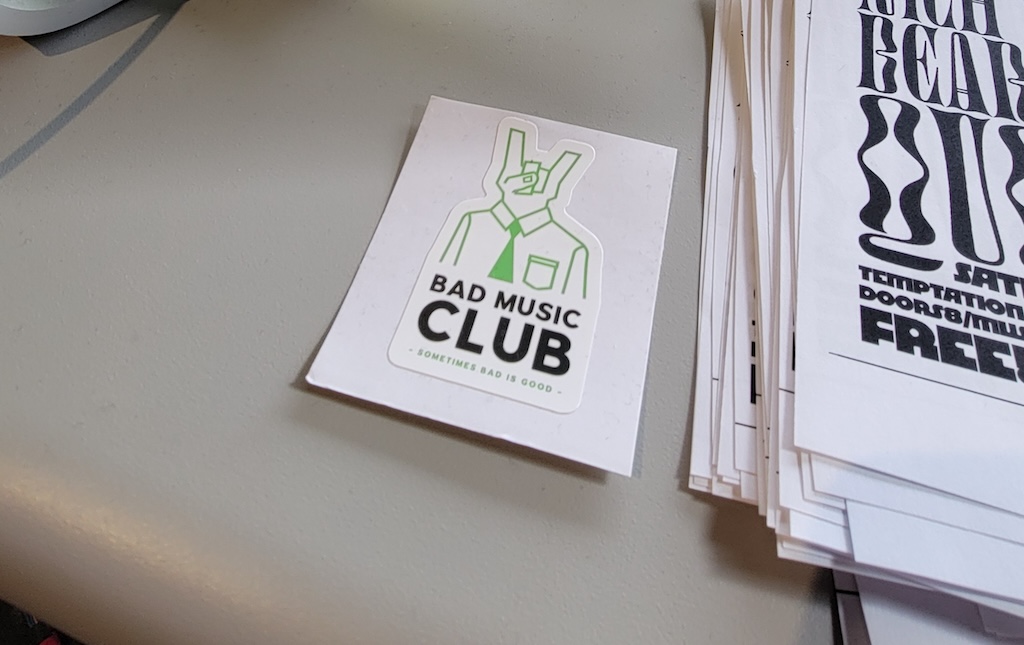
The "Podcasts in the Wild" phenomenon—such as stickers for Bad Music Club spotted in local record shops—reveals a growing need for physical-world marketing. Even in a digital-first industry, community building is increasingly taking place at the local level. Marketing that bridges the gap between the local record store and the global digital platform is becoming a vital strategy for independent podcasters.
3. The Institutionalization of Expertise
We are moving away from the era of "two people in a room talking" as the default. The most successful shows are now those that integrate external expertise—clinicians, historians, and subject matter experts—into their formats. By partnering with institutions like the MGH Center for Women’s Mental Health, podcasts are gaining a level of credibility that was previously reserved for traditional broadcast journalism.
4. Global Accessibility vs. Local Identity
The internationalization of content, particularly in sports, presents a challenge: how to maintain a distinct local voice while catering to a global audience. The success of shows that relocate their operations to major media hubs (like New York) during major events suggests that the future of podcasting will be increasingly "nomadic," with shows moving to where the action is to capture cultural momentum.

Conclusion
The podcast industry is no longer in its infancy. It has evolved into a sophisticated media ecosystem characterized by high barriers to entry, a focus on expert-led programming, and a drive toward global distribution. For creators, the lesson is clear: the most sustainable growth lies in the intersection of deep-seated expertise and authentic personality.
As we look toward the remainder of the year, expect to see further consolidation among top-tier shows and an even greater emphasis on data-driven content development. Whether through the lens of history, the intensity of the World Cup, or the empathy of clinical advice, the power of the medium remains rooted in its ability to connect experts and personalities directly with an engaged, niche-focused audience. The winners of the next phase of the "podcast wars" will be those who can effectively synthesize these elements into a cohesive, listener-first experience.
 Asep Darmawan
 Jia Lissa
 Neng Nana
