

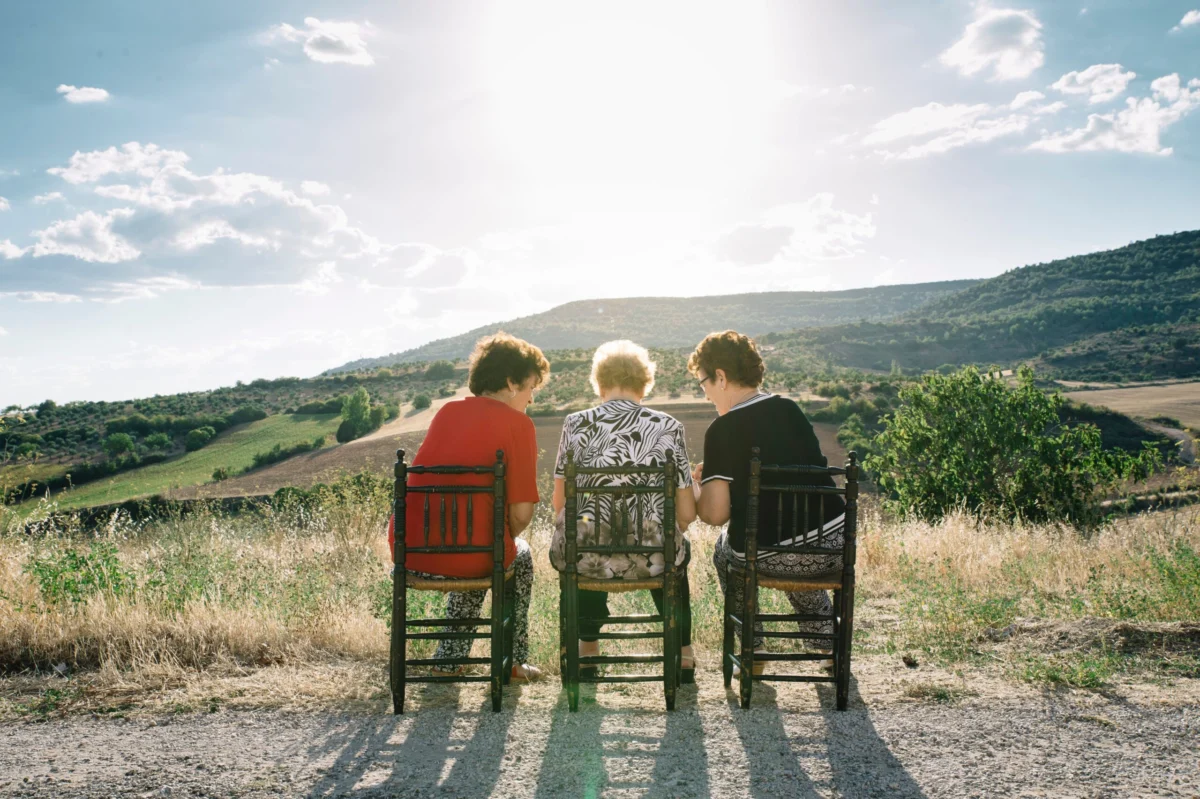
When the modern wellness industry pushes 12-step morning routines, expensive supplements, and high-intensity interval training, a quieter, more radical trend has begun to emerge from the cobblestone streets of Italy. Known on social media as “Nonnamaxxing,” this lifestyle movement suggests that the secret to longevity, vitality, and happiness isn’t found in a biohacking laboratory, but in the time-tested habits of the Italian nonna (grandmother).
For those living in Italy, these habits are not a curated aesthetic—they are the pulse of daily life. From the sprawling urban centers of Rome to the sun-drenched villages of Sardinia—one of the world’s prestigious "Blue Zones"—the Italian elderly population is defying global aging trends. As the number of centenarians in the country continues to climb, researchers and health experts are beginning to look past the "Instagrammable" facade of the trend to uncover the rigorous, science-backed lifestyle choices that sustain these women well into their ninth and tenth decades.
The Core Pillars of Longevity: A Chronology of Wisdom
The transition from viewing "nonnamaxxing" as a viral meme to understanding it as a legitimate wellness framework requires looking at the trajectory of a typical Italian grandmother’s life. It is not a sudden pivot to health in middle age; rather, it is a lifetime of incremental, sustainable choices.
1. The Mindset of Perpetual Youth
In Italy, there is a visible lack of the "anti-aging" anxiety that plagues much of Western culture. At public beaches and community pools, it is common to see women of all ages—including those in their 80s and 90s—wearing bikinis without the compulsion to conceal their bodies. This cultural acceptance of aging as a natural progression rather than a "deterioration" is, according to psychologists, a foundational element of health.
Licia Fertz, a 96-year-old icon and resident of Viterbo, Italy, embodies this philosophy. "Never think of yourself as old," Fertz tells SELF. "You are born young. I put on my makeup and dress in cheerful colors, even if I’m not leaving the house, because presenting yourself well is an act of self-love."
Science supports this anecdotal wisdom. A recent study exploring the association between aging perception and biological markers found that individuals who hold a positive view of their own aging process actually exhibit a slower pace of physical decline. Sonja Lyubomirsky, a distinguished professor of psychology at the University of California, Riverside, explains that mindset acts as a filter through which we experience the world. "Is aging a gift, about wisdom and the richness of life, or is it about loss?" she asks. "You can choose."
2. The Power of Intergenerational Caregiving
One of the most defining features of the Italian social fabric is the active role grandmothers play in their families. In many Italian households, the nonna is the primary caregiver, taking on responsibilities ranging from school pick-ups to meal preparation and tutoring. While some critics argue this places an undue burden on older women, research suggests it serves as a powerful cognitive and physical anchor.
A recent study published in the Journal of Gerontology found that grandparents who provided consistent childcare—driving grandkids to school, helping with homework, or assisting during illnesses—scored significantly higher on memory and verbal fluency tests than those who remained isolated from such responsibilities. This "buffer" against cognitive decline is enhanced by the emotional reciprocity found in these relationships. For Licia Fertz, who lives with her grandson, the presence of her great-granddaughter is a daily source of stimulation that keeps her mind sharp and her heart full.
3. Movement as a Way of Life
In Italy, "exercise" is not a chore performed at a gym; it is the fundamental requirement of navigating the environment. Italian cities, with their narrow, winding streets and limited parking, mandate walking as the primary mode of transportation.
Daniel Lieberman, a professor of Human Evolutionary Biology at Harvard University, notes that walking is the most fundamental form of human physical activity. "Many hundreds of studies confirm that walking helps people age slower and better," Lieberman says. "It is the most reliable tool we have for maintaining metabolic and cardiovascular health."
Modern Italian grandmothers, like pediatrician and nonna Paola Mariotti, have adopted modern tracking tools to maintain these habits. Mariotti, based in Florence, actively monitors her step count, aiming for at least 5,000 steps daily, with a goal of hitting 10,000 whenever possible. For those in less walkable climates, a 2025 study in the American Journal of Preventive Medicine offers hope: even 15 minutes of brisk walking per day is associated with a marked reduction in premature mortality.
Official Expert Perspectives: Decoding the Lifestyle
As the "nonnamaxxing" trend gains traction, health professionals are stepping in to separate the performative aspects from the functional. The consensus is clear: the health benefits of the Italian lifestyle are rooted in the rejection of "hustle culture."
The Anti-Hustle Philosophy
Jonathan Alpert, a New York-based psychotherapist, suggests that the surge in interest among Gen Z and Millennials is less about the grandmothers themselves and more about a desperate need to escape the digital grind. "The appeal here is the fantasy of a life that feels grounded, warm, and unhurried," Alpert observes. "Younger people are burned out by the pressure to optimize every second."
This aligns with the Italian concept of dolce far niente—the sweetness of doing nothing. When a nonna sits at a café, she is usually engaged in the present moment, observing her surroundings rather than checking emails or scrolling through social media. This mindfulness is not just a luxury; it is a neurological necessity. Chronic multitasking has been linked to elevated cortisol levels and heightened stress, whereas those who practice sustained presence show higher levels of cognitive resilience.
Nutritional Sovereignty and Seasonality
Nutrition in Italy is governed by geography and the calendar. Prof. Antonino De Lorenzo, professor emeritus of human nutrition at the University of Rome Tor Vergata, emphasizes that the Italian diet is not merely about consuming "healthy" food, but about consuming food that has undergone minimal processing.
"Freshness, variety, ripeness, and preparation methods exert a significant influence on a food’s nutritional profile," De Lorenzo explains. "By eating seasonally, you are naturally reducing your intake of preservatives and industrial additives." This focus on whole, local ingredients—the hallmark of the Mediterranean diet—has been extensively linked to reduced risks of chronic disease, including heart disease and diabetes.
Implications for the Modern World
The lesson of the nonna is that longevity is not found in the next "miracle" hack, but in a return to the basics of human existence: consistent movement, deep social connection, mindful consumption, and a positive outlook on the inevitable passage of time.
Why Community is the Final Buffer
Perhaps the most crucial takeaway is the importance of social connectivity. Fertz’s advice is simple: "Don’t isolate yourself. Travel, plan outings, and get out of the house."
Research consistently supports this, with studies in the American Journal of Geriatric Psychiatry indicating that a sense of purpose—often tied to community involvement—is a strong predictor of preserved cognitive function. Whether an Italian grandmother is acting as a neighborhood "security system" by keeping an eye on the street or volunteering her time for her family, the act of staying connected prevents the stagnation that characterizes the aging process in more isolated societies.
As we look to the future, the "nonnamaxxing" trend serves as a bridge between generations. It encourages younger people to put down their phones, walk more, and embrace the wisdom of their elders. As Licia Fertz concludes, boredom is the true thief of vitality. By staying active, engaged, and present, we aren’t just "living long"—we are learning how to live well.
In a world that demands we move faster, the Italian grandmother teaches us that the best way to extend our lives is to slow down, look around, and enjoy the sweetness of the present.
 Asro
Asro
 Dwi Wanna
 Nana
Nana
