

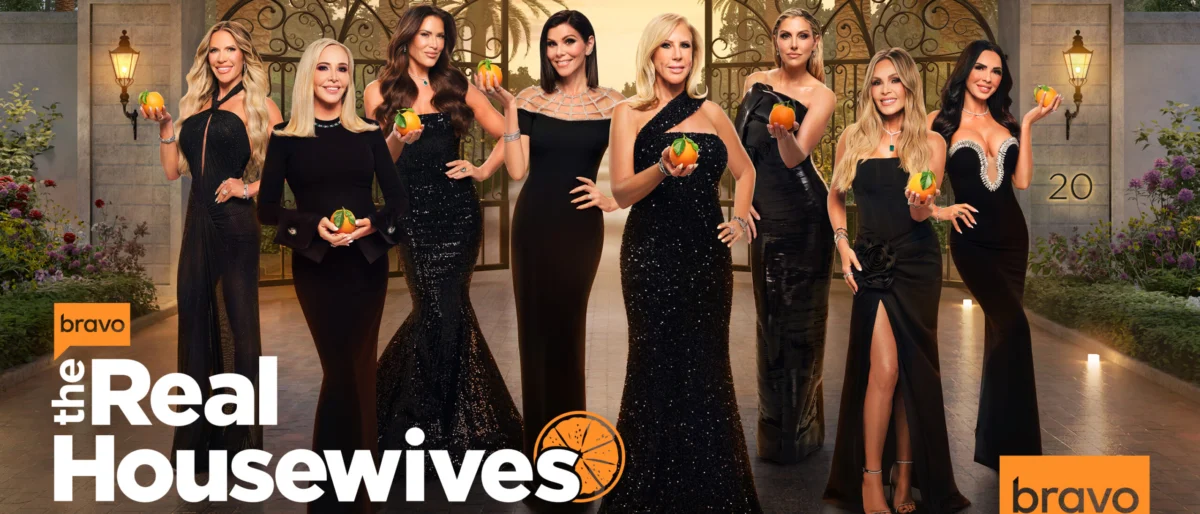
The television landscape is littered with programs that fade into obscurity, but The Real Housewives of Orange County (RHOC) is not among them. As the series that launched the behemoth Bravo franchise, RHOC redefined reality television, transforming the gated communities of Southern California into a global stage for domestic drama, opulence, and the iconic “whooping it up” culture.
As the show approaches its landmark 20th season, the stakes have never been higher. Production has promised a celebratory yet volatile installment that honors the show’s storied history while aggressively pushing into new, uncomfortable territory. With the return of the franchise’s cornerstone, Vicki Gunvalson, and the introduction of a cast member who isn’t afraid to challenge the status quo, Season 20 is shaping up to be a definitive moment in the history of the Real Housewives universe.
The Evolution of an Icon: Main Facts and Franchise Context
For two decades, viewers have been granted an all-access pass behind the “Orange Curtain.” From the early days of champagne elevators and the inception of the “Tres Amigas” to the harrowing documentation of divorces, legal woes, and cast trips that have become the stuff of legend, RHOC has maintained a mirror to the complexities of affluent suburban life.
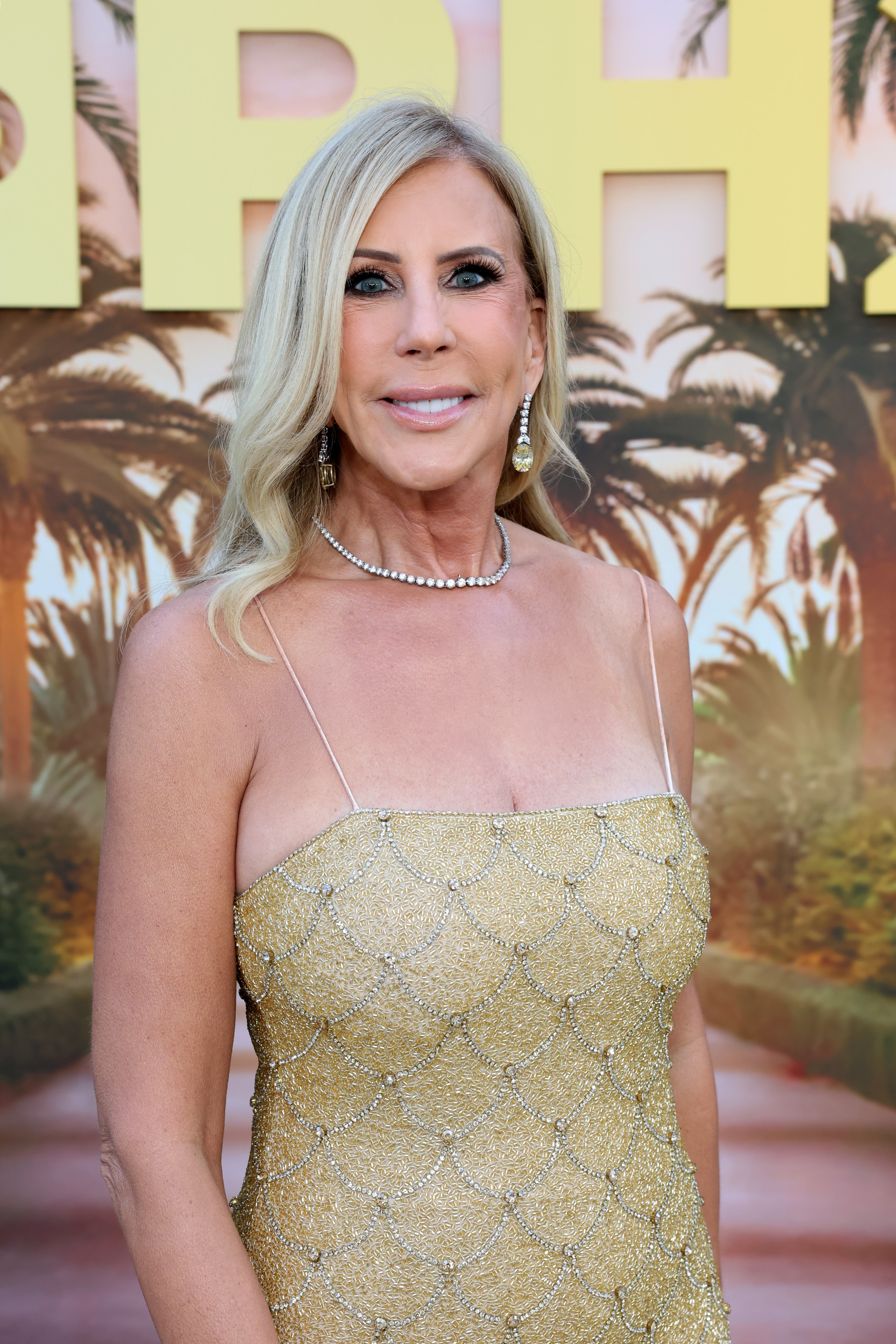
Season 20 arrives with a clear mandate: bridge the gap between the show’s legacy and its future. The most significant development in this regard is the return of Vicki Gunvalson. After a departure in 2020 following a demotion to a part-time role, the “OG of the OC” is back in the driver’s seat. Holding her signature orange, Gunvalson’s return is not merely a cameo; it is a tactical shift by production to reclaim the show’s original identity.
However, the path to this anniversary has not been without casualties. The Season 19 cast roster has been trimmed, with Katie Ginella and Gretchen Rossi being excused from the production. The exit of Rossi, in particular, followed a period of intense public scrutiny regarding her alleged social media activity, marking a darker tone that the producers are clearly looking to move past—or at least pivot away from—in favor of the high-octane interpersonal conflicts that defined the early years.

A Chronology of Conflict: The Tres Amigas and the Road to Reconciliation
The history of the “Tres Amigas”—Vicki Gunvalson, Tamra Judge, and Shannon Beador—is the central spine of RHOC lore. Formed in Season 9, this trio became the show’s heartbeat, synonymous with table-dancing, pool-pushing, and the kind of uninhibited camaraderie that made the show a cultural touchstone.
However, the timeline of their friendship is a jagged one. The harmony of the trio was shattered in 2023 following Shannon Beador’s DUI arrest. Tamra Judge, citing concerns over the culture of their shared live comedy shows and their reliance on alcohol, abruptly terminated the partnership. The fallout was immediate and visceral; Gunvalson and Beador were left blindsided, feeling betrayed by Judge’s public distancing.
Throughout Season 19, the rift widened. While Judge made several attempts at reconciliation, Beador remained steadfast in her refusal to engage, signaling a desire to move forward independently of the “Amigas” dynamic. The primary question looming over Season 20 is whether the shared history of these three women can withstand the grievances of the past three years. Fans are looking for a return to the nostalgic, feel-good energy of the early seasons, but whether the cast can achieve that while balancing current personal resentments remains the season’s most anticipated narrative arc.
The New Frontier: Carmella Garcia and the Challenge to the Throne
Every landmark season requires a catalyst for change, and Bravo has introduced that in the form of Carmella Garcia. A former Playboy Playmate of the Year, real estate developer, and mother of four, Garcia enters the group with an established sense of confidence that has already caused significant friction.
The dynamic between Gunvalson and Garcia is the early frontrunner for the season’s most explosive conflict. The tension was on full display in the season trailer, where Gunvalson—ever protective of her status as the show’s founder—clashed with Garcia over the hierarchy of the cast.
“I don’t like new girls,” Gunvalson stated, a line that has become her trademark throughout the series’ history. Garcia’s retort, “Everything has an expiration,” during a group dinner, was a watershed moment. It signaled a new type of cast member—one who is not intimidated by the “OG” title and is willing to challenge the traditional power structures of the show. This clash of generations suggests that the producers are looking to transition the show away from a reliance on established veterans and toward a more competitive, survival-of-the-fittest environment.
Relationship Realities: Simpson and Kirschenheiter’s Struggles
While the veteran power dynamics dominate the headlines, the supporting cast provides the emotional grounding of the season. Emily Simpson and Gina Kirschenheiter, who joined the series in Season 13, are facing a critical juncture in their personal lives.
The narrative arc for Simpson involves the ongoing strain of balancing motherhood with a marriage that has seen better days. Following a difficult Season 19, where the family navigated the challenges of their son Luke’s diagnosis with Avoidant/Restrictive Food Intake Disorder (ARFID), the strain on her marriage to Shane Simpson remains a central focal point.
Conversely, the audience will witness a surprising exploration of doubt within Gina Kirschenheiter’s engagement to Travis Mullen. Despite their blended family of six children and a seemingly storybook engagement during a 2025 ski trip, Kirschenheiter’s confessionals have painted a more complex picture. “Can I do this forever?” she asks, a sentiment that suggests the “happily ever after” narrative is far from guaranteed. For viewers who have followed these women through their divorces and growth, these relationship struggles provide a necessary, grounded counterweight to the bombastic arguments of the more veteran cast members.
Strategic Implications and Future Outlook
The decision to bring back legacy cast members while aggressively introducing confrontational new blood suggests that the network is acutely aware of the "stale" narrative risks associated with a 20-season run. By centering the conflict on the hierarchy of the show itself—the "OG" versus the "Newbie"—the producers are leaning into meta-commentary, acknowledging that the audience knows the show as well as the participants do.
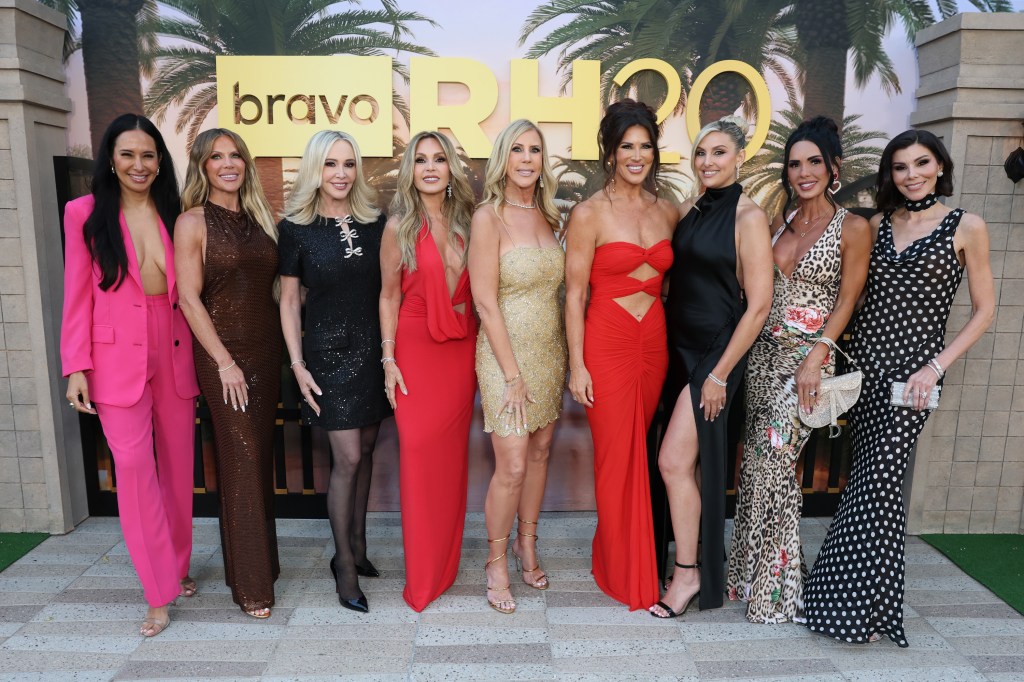
The implications for the franchise are clear: RHOC is attempting to prove that it can still be the "alpha" of the reality television world. By manufacturing scenarios that force the Tres Amigas to confront their fractured bonds, and by testing the fortitude of the veterans against new, fearless personalities, the show is doubling down on the formula that made it successful in the first place: authentic, high-stakes, unscripted confrontation.
As the industry shifts toward shorter-form content and streaming-first distribution, The Real Housewives of Orange County stands as a testament to the endurance of long-form character studies. Whether this 20th season results in a rejuvenation of the franchise or a necessary period of restructuring will depend on the audience’s reception to these evolving dynamics.
The premiere, scheduled for Thursday, July 9 at 9/8c on Bravo and available on Peacock, is not just a season debut; it is a celebration of a television institution. As the ladies of the OC continue to navigate the complexities of life behind the gates, the world will be watching to see if they can once again "whoop it up" without burning the house down.
TELL US: What are your predictions for Season 20? Will the Tres Amigas find common ground, or is the rift too deep to mend? And does Carmella Garcia have what it takes to permanently displace the OGs of Orange County?
 Neng Nana
 Azzam Bilal Chamdy
 Nana
Nana
